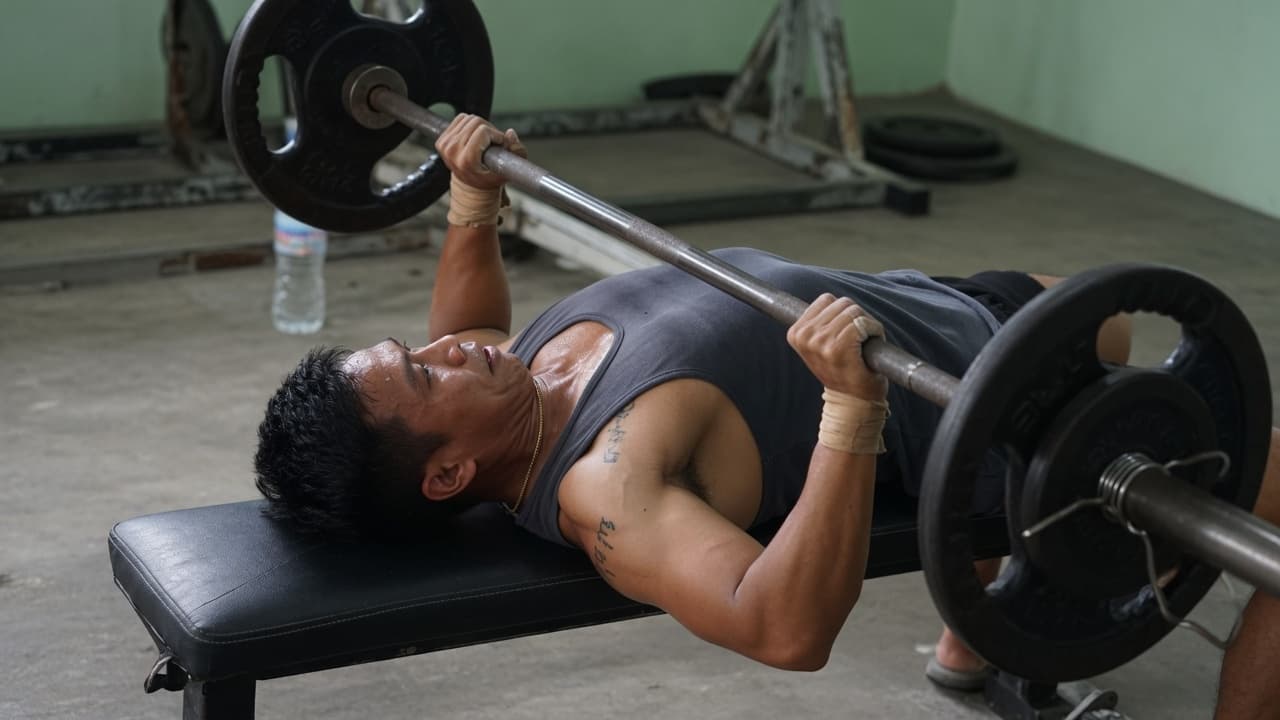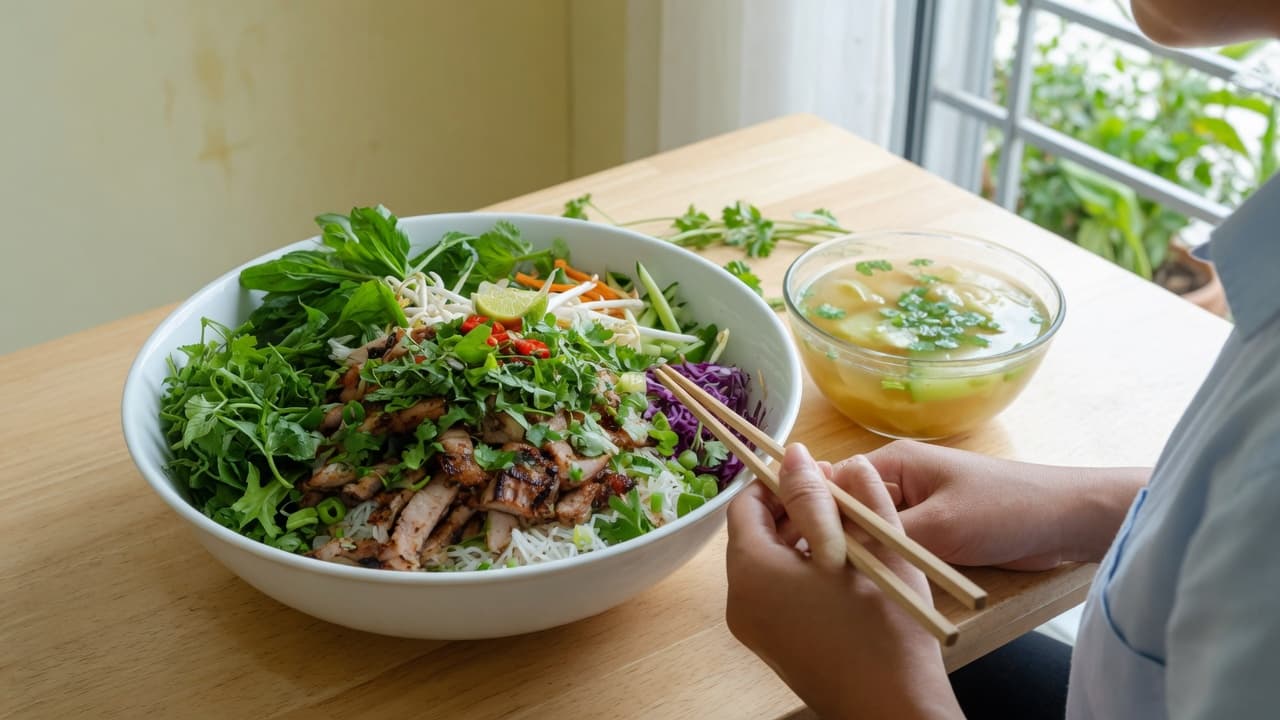
Lean pork — cleaned shoulder, loin, or trimmed chops — is protein much cheaper than imported chicken breast, and it suits 3–4 day fridge meal prep. Boil or roast ahead, box with rice and vegetables: controlled lunches without depending on chicken breast alone.
Broader weekend flow: 90-minute meal prep. Portion skill: 14-day kitchen scale.
Choosing cuts and prep
- Pork loin / lean chops: less fat, easy even slices.
- Shoulder lean: cheaper; trim fat carefully or boxes get an oil layer.
- Avoid for hard cuts: belly and fatty ground pork (use occasionally with control).
Rinse quickly, pat dry, slice 1–1.5 cm or cube 2–3 cm. Light marinade: salt/pepper/garlic/ginger or lemongrass — season moderately because flavor concentrates when cold.
Two batch methods
1. Boil / light simmer
- Add meat to a gentle simmer with ginger and scallion, or steam.
- Cook through (no pink center); time depends on thickness — often 15–25 minutes for medium slices.
- Remove, cool, slice. Keep a little skimmed cooking liquid to moisten when reheating.
2. Roast / air fryer / pan
- Sear each side then cover on low heat, or oven at 180°C until done.
- Rest 5 minutes before slicing — keeps juices.
- Blot surface oil with paper before boxing if needed.
Cool fully before sealing into the fridge. Reheat until steaming hot; do not leave boxes on the desk all afternoon.
Macro estimates and boxing
| Per box | Suggestion | Estimate |
|---|---|---|
| Cooked lean pork | 120–150 g | ~180–250 kcal, protein ~25–35 g |
| Cooked rice | 140–180 g | depends on goal |
| Vegetables | plenty | boil / stir-fry with little oil |
Four boxes for four workdays is the sweet spot: day 5 switch to fish/eggs for boredom and safety. Freeze 1–2 boxes if you may not finish — thaw in the fridge overnight.
Safety and reheating
- Fridge ≤4°C; use within 3–4 days for cooked meat.
- Microwave or pan until steaming; add a splash of water so it does not dry out.
- Sour smell, slime, odd color — discard, do not taste-test.
- Keep cooked meat off raw cutting boards; wash hands and tools.
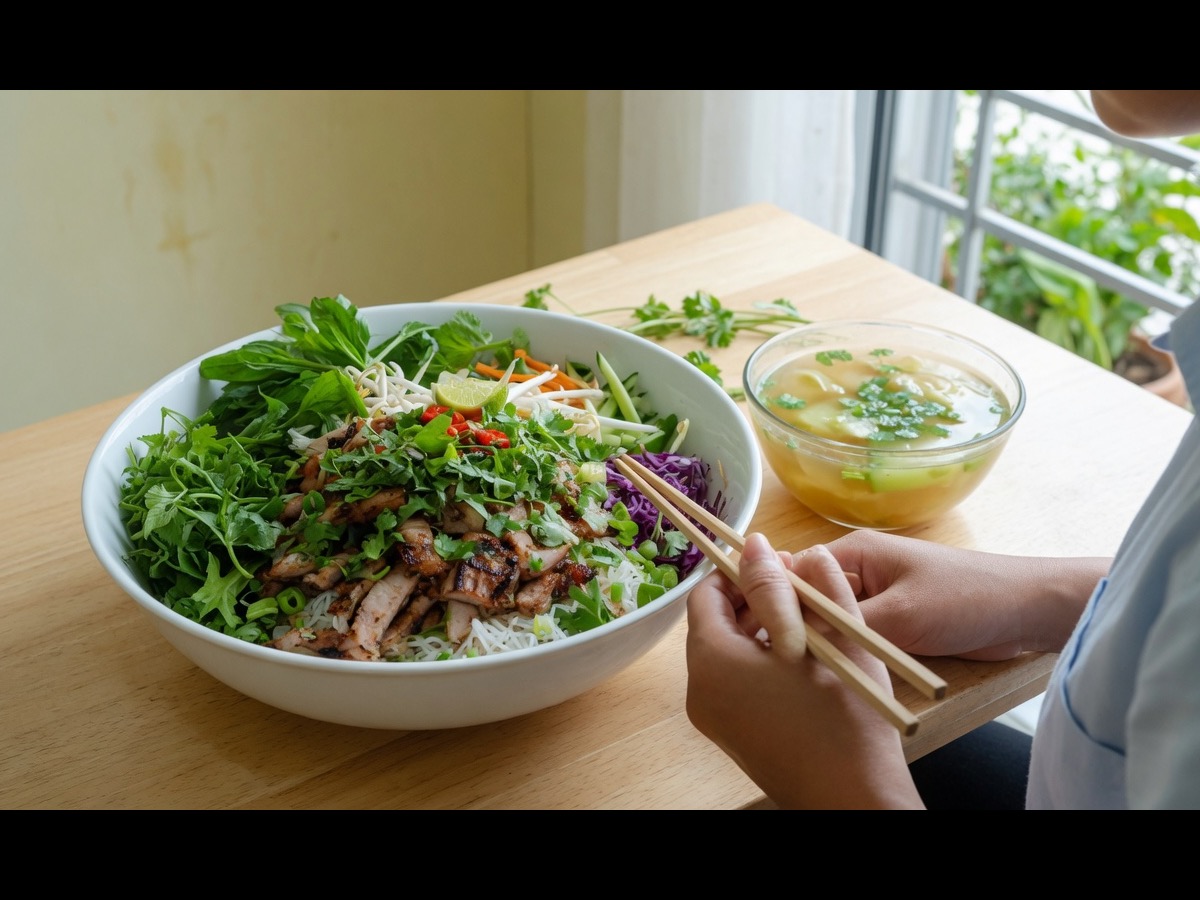
Week variety: day 1 lime fish sauce dip, day 2 re-stir with greens, day 3 thin tomato sauce, day 4 rice noodles and herbs. Same meat batch, different flavors for adherence. Versus imported chicken, domestic lean pork is easier by the kilo and leftover bones/ginger make side soup.
Heavy training days, keep the rice; cut fat from vegetable oil and sugary drinks. Lean-pork prep is not bland eating — it is a stable, good-value protein layer.
Buying and storing ingredients
Buy 0.8–1.2 kg lean meat for 4 days × 1 main portion as a starting point for one person. Prepping for two: double and use freezer boxes too. Raw meat in the fridge should be cooked within 1–2 days of purchase; freeze unused raw (bagged portions) if you will not cook soon. Write the cook date on the lid with tape — a small habit that reduces forgotten day-five boxes.
Alongside the pork batch: one soup pot and one tray of boiled vegetables. You save stove cycles and hit lasting volume easier. End of month compare lean-pork cost per kg with imported breast for the same protein — most Vietnamese households find domestic pork gentler on the wallet while still hitting training goals.
FAQ
1. Is lean pork “heaty” and bad for training?
No modern nutrition basis to ban lean pork in healthy people just because they lift. Clean lean cuts and cooking matter more than folklore.
2. Must every box be weighed?
Weigh a few boxes the first week to learn. Then scoop with a consistent cup/spoon.
3. Does boiling strip all nutrients?
Some minerals go into the water — you can use skimmed liquid for soup. Protein stays in the meat; boiling is a good oil-control method.
General cooking and storage guidance — not food-safety advice for immunocompromised people, pregnancy, or special medical conditions. When in doubt food is spoiled, throw it out.