During your period many people feel more tired and wonder if they are “low on iron.” This article does not diagnose anemia, does not read lab results for you, and does not advise buying iron pills on your own. Goal: remind how to eat enough Vietnamese-style iron-rich foods (lean red meat, eggs, legumes, leafy greens) around the cycle, sketch absorption basics, and ask a doctor before any pill / supplemental dose.
Flexible eating during the period: eating during your period without wrecking the plan. Women’s meal frame: ~1,600 kcal fat-loss menu for women. Varied protein: protein from Vietnamese food.
Why iron comes up around the period
Menstruation involves blood loss at levels that differ by person. Some women have doctors track iron stores periodically; others feel tired from poor sleep, stress, low total energy intake, or reasons unrelated to iron. Fatigue + craving ice / dizziness is not enough to self-conclude anemia. Only labs and a clinical visit clarify.
- Do not cut out all meat–eggs–legumes just for a period “detox.”
- Do not raise iron pills from friends’ advice without an indication.
- Period cravings and water retention differ from iron deficiency — see the period-eating article.
General nutrition education. Not a lab slip, not a prescription.
Iron-rich foods (Vietnamese meal ideas)
Heme iron (meat, fish) is usually absorbed more easily than non-heme (plants). Combining both across the week is more practical than relying on one group.
- Lean red meat: lean beef/pork braised or lightly stir-fried, moderate portions (e.g. ~70–100 g cooked estimate) a few meals/week if your diet allows.
- Liver: iron-rich but not for large frequent servings; pregnancy or contraindications: ask a doctor first.
- Eggs: easy to prep; pair vegetables and vitamin-C fruit.
- Beans, tofu, lentils: useful if you eat little meat; combine with rice/vegetables.
- Dark leafy greens, small molasses portions: non-heme support; not a clinical recommendation substitute.
Absorption tips (general)
- Add vitamin C to plant-iron meals: orange, guava, tomato, bell pepper, raw greens.
- Tea/coffee right against meals can reduce non-heme absorption for some people — you may space 1–2 hours if a doctor/dietitian suggests.
- High calcium doses together with iron pills (when prescribed) can interact — follow the prescription timing; do not stack on your own.
Sample 1-day “enough iron from food” menu (estimate)
| Meal | Idea | Main idea |
|---|---|---|
| Breakfast | 2 eggs + vegetables + guava or orange | Protein + vitamin C |
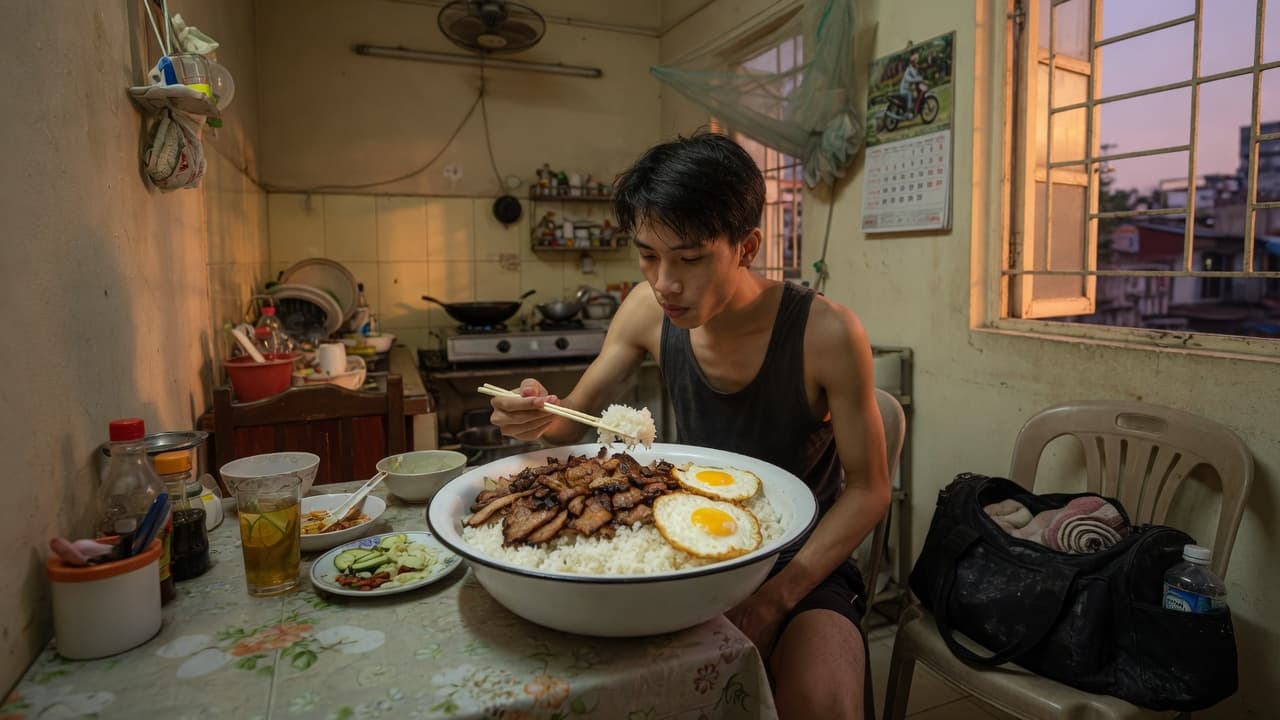
| Lunch | Moderate rice + lean beef stir-fry ~80 g + water spinach + sour soup | Heme + greens |
| Snack | Yogurt + a handful unsalted roasted peas | Plant protein |
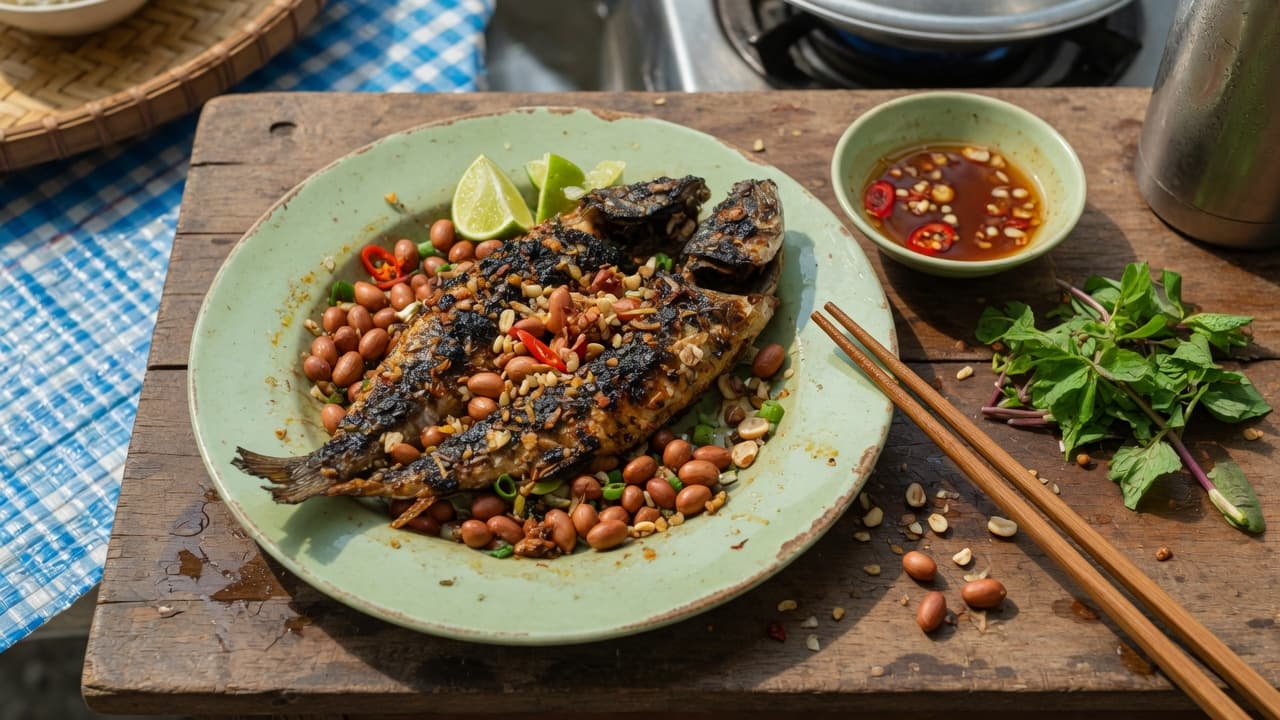
| Dinner | Moderate rice/noodles + tomato tofu + egg or small fish + salad | Varied sources |
This is a habit example, not an iron-deficiency treatment protocol. Needs and supplement safety change with labs, pregnancy, GI disease, and current medications.
Iron pills: only after medical advice
- Ask a doctor before taking iron pills, high-dose multivitamins, or raising dose.
- Self-supplementing can cause constipation, GI discomfort, and in some situations is inappropriate (e.g. iron-overload disorders — only a doctor evaluates).
- If you already have a prescription: take the dose and timing as told; do not share the prescription with others.
- Very heavy bleeding, long periods, severe fatigue, pallor, shortness of breath on light effort: seek care early — do not wait to “eat more meat and see.”
Cutting meat casually and harsh deficits
Very hard calorie cuts + dropping all animal protein can leave the diet iron- and nutrient-poor. If losing fat, keeping lean meat/eggs/legumes inside the calorie frame is usually wiser than starving protein. Period week: do not tighten further just because the scale rose from water.
FAQ
1. Period means I must be anemic?
No. Menstruation is a factor to monitor for some people, but fatigue has many causes. Only a doctor and labs conclude anemia or iron deficiency — this article does not diagnose.
2. Can lots of spinach replace iron pills?
Vegetables and food support an adequate diet, but they do not automatically replace treatment when a doctor has prescribed supplements or is investigating blood loss. Do not drop a prescription to “only eat greens.”
3. Should I take preventive iron every month?
Not on your own. Prevention or treatment depends on personal records. Ask a doctor before starting or stopping pills.
General nutrition reference around the cycle — not a substitute for exams, labs, or prescriptions. The writer does not diagnose anemia/iron deficiency and does not encourage self-treatment with supplements. Pregnancy, breastfeeding, GI disease, iron-overload history, or medications — ask a doctor/clinical dietitian before large diet changes or iron pills.