During your period the scale can jump, sweet cravings rise, and training motivation drops — easy to read as “the fat-loss plan failed.” In reality, most short-term weight changes here relate to water retention and glycogen, not fat gained in a few days. The smart move: do not tighten calories further during that week, prioritize sleep–food magnesium–moderate carbs if you still train, and keep a flexible frame instead of fighting your body.
Base fat-loss frame: ~1,600 kcal fat-loss menu for women. More on sleep–stress: sleep, stress, and weight in women. Track the right way: progress tracking for women beyond the scale.

Period-week scale gain ≠ equal fat gain
Hormones and mild inflammation around the cycle can make the body hold sodium and water; if you also train less or eat more carbs, muscle–liver glycogen holds water with it. Result: 0.5–2 kg up for a few days then down after the period is common. Waist and same-condition photos are usually more honest than one bloated weigh-in.
- Do not compare day-one period weight with mid-cycle weight and conclude you “broke the diet.”
- Use a weekly average or a 4-week trend.
- Clothes fit and strength remain useful signals.
Cutting another 300–500 kcal exactly when you feel worst usually only raises stress and the odds of a bigger rebound later.
Cravings: steer them, don’t declare war
Sweet/salty cravings around the period are common. Instead of an absolute ban then demolishing a tub of ice cream at night, stage options that partly satisfy you inside the calorie frame:
- Yogurt + ripe fruit + a little unsweetened cocoa or a tiny bit of honey.
- A small rice ball + egg + cucumber when you crave something “solid.”
- One 15–20 g portion of unsalted roasted peanuts instead of fried outside snacks.
- Water or unsweetened tea before deciding on more food — thirst sometimes wears a craving costume.
If you still want an outside sweet: portion it on purpose, eat slowly, log it without self-judgment. One flexible period-week meal wrecks the plan less than days of restriction then a binge.
Magnesium and foods that support feeling better
Some women feel fewer cramps or simply more comfortable when the diet includes magnesium- and potassium-rich foods — this is not a PMS cure, only general supportive eating:
- Leafy greens, pumpkin, banana, avocado, legumes, peanuts, cashews (estimated portions).
- Fish, eggs, yogurt for protein and fullness.
- Moderate salt; avoid only ultra-salty food that then drives thirst–more water retention.
Severe pain, unusual bleeding, or heavy psychological symptoms (possible PMDD) need a doctor — this article does not diagnose and does not replace treatment.
Training and carbs during your period
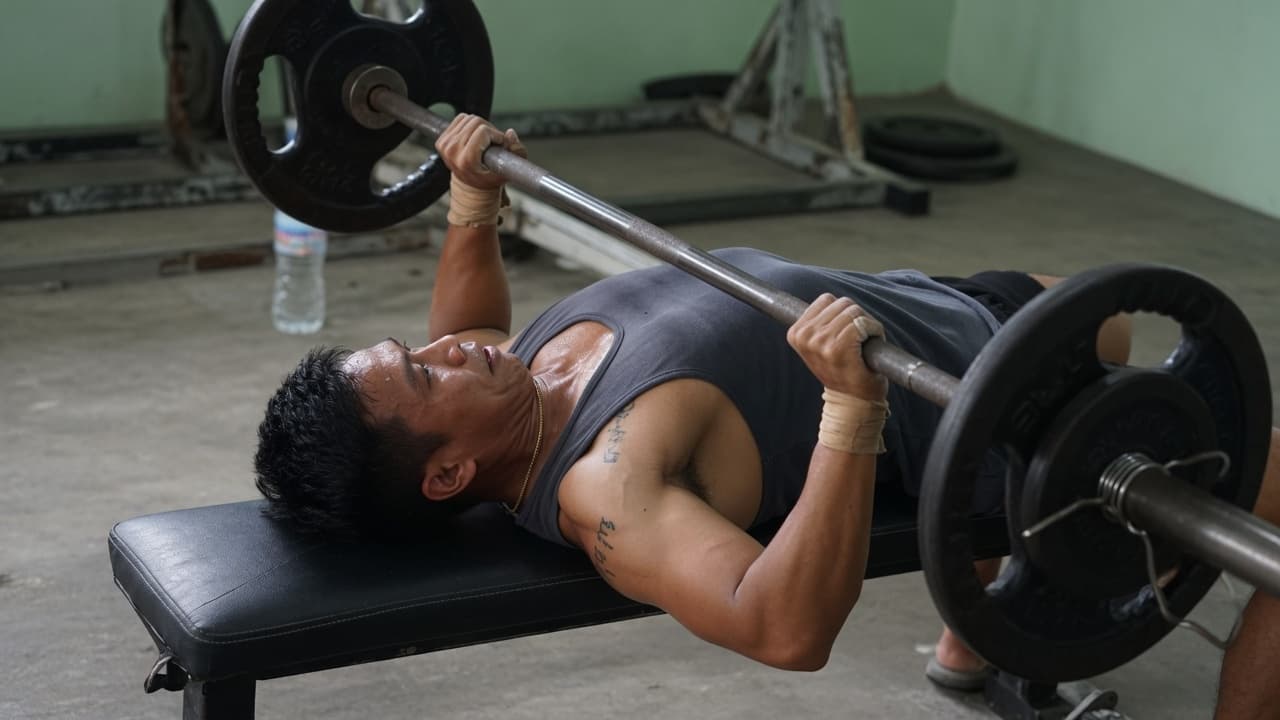
If you still lift: you can keep or slightly raise healthy carbs (rice, potato, fruit) around sessions instead of running the month’s lowest carb intake. Stable energy helps form and reduces fatigue-related injury risk. High-pain days: walk, mobility, or rest — not “laziness,” load management.
- No mandatory daily HIIT during your period to “burn off” scale water.
- Prioritize 7–9 hours of sleep; short sleep raises cravings and sugar urges.
- Keep protein near your usual (~1.6 g/kg if lifting) for fullness and muscle retention.
5-day plan: “don’t fight the period”
- Days 1–2: keep calories near normal; raise vegetables–soup; allow one controlled sweet snack.
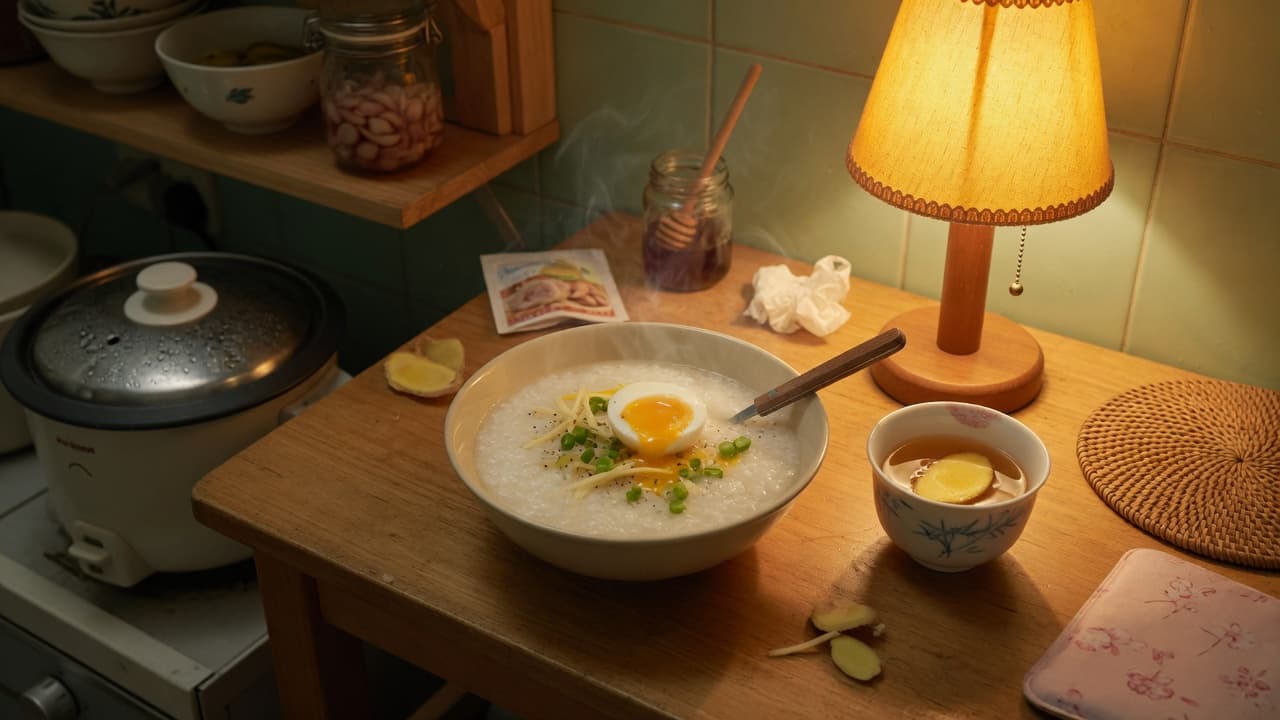
- Pain day: reduce training volume; prefer easy-to-digest, warm, protein-adequate food.
- Mid–late period: return to standard training and portions; read weight trends after water retention eases.
- Notes: mark period weeks in an app/notebook so a scale jump does not panic you.
- Boundary: if you are in eating-disorder treatment, every intake change follows your clinician.
Linked to the ~1,600 kcal frame: during your period you can sit at the top of the frame or nudge carbs up slightly instead of dropping to 1,400 “to go faster.”
FAQ
1. Should I “detox” or fast on day one?
Not recommended. Fasting often tanks energy, raises irritability, and drives rebound eating. Enough protein–vegetables–moderate carbs is usually more stable.
2. Does a 1–2 kg period bump erase all progress?
Usually no — mostly water/glycogen. Wait until after the period; look at averages and waist before big strategy changes.
3. If PMS is severe, does food even matter?
Nutrition is only one piece. Severe pain or mood changes need medical evaluation. This article is not treatment advice for PMS/PMDD.
This is a reference on eating–training habits around the cycle, not medical advice. The author is not a doctor/dietitian. Do not use it to self-diagnose PCOS, severe PMS, or PMDD. Pregnancy, eating disorders, or hormone treatment — talk with your healthcare professional before changing your diet.