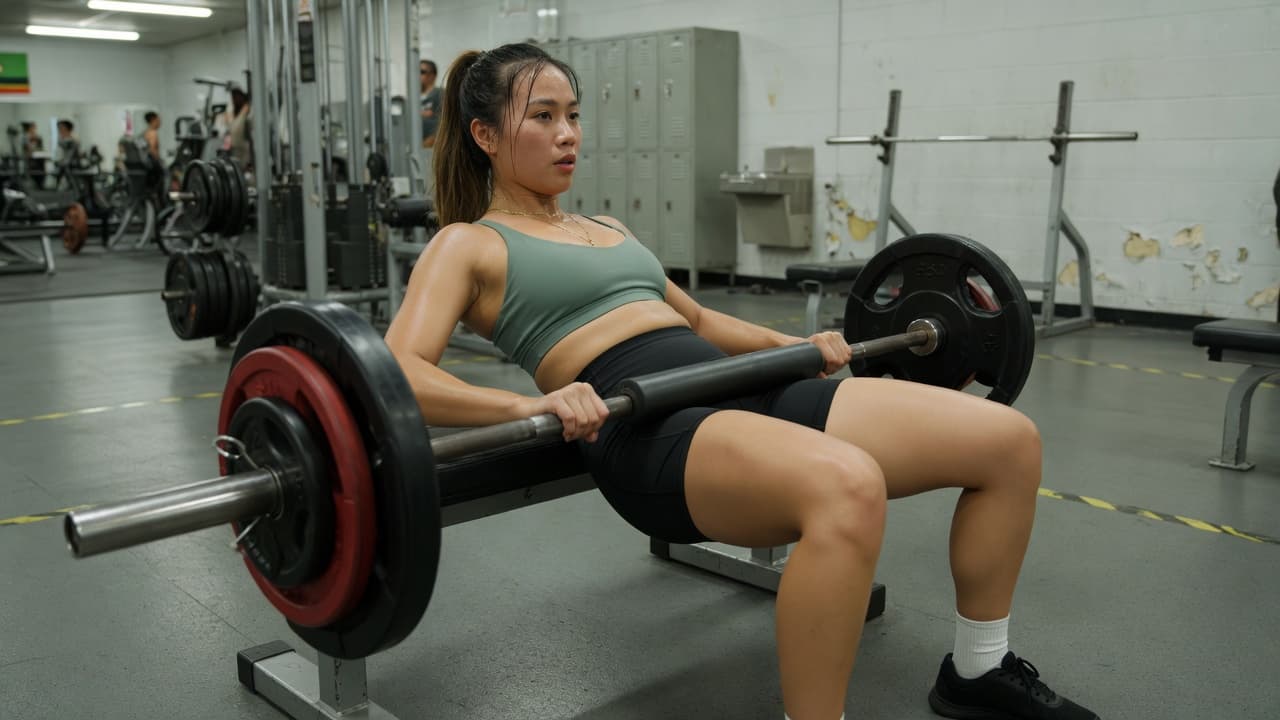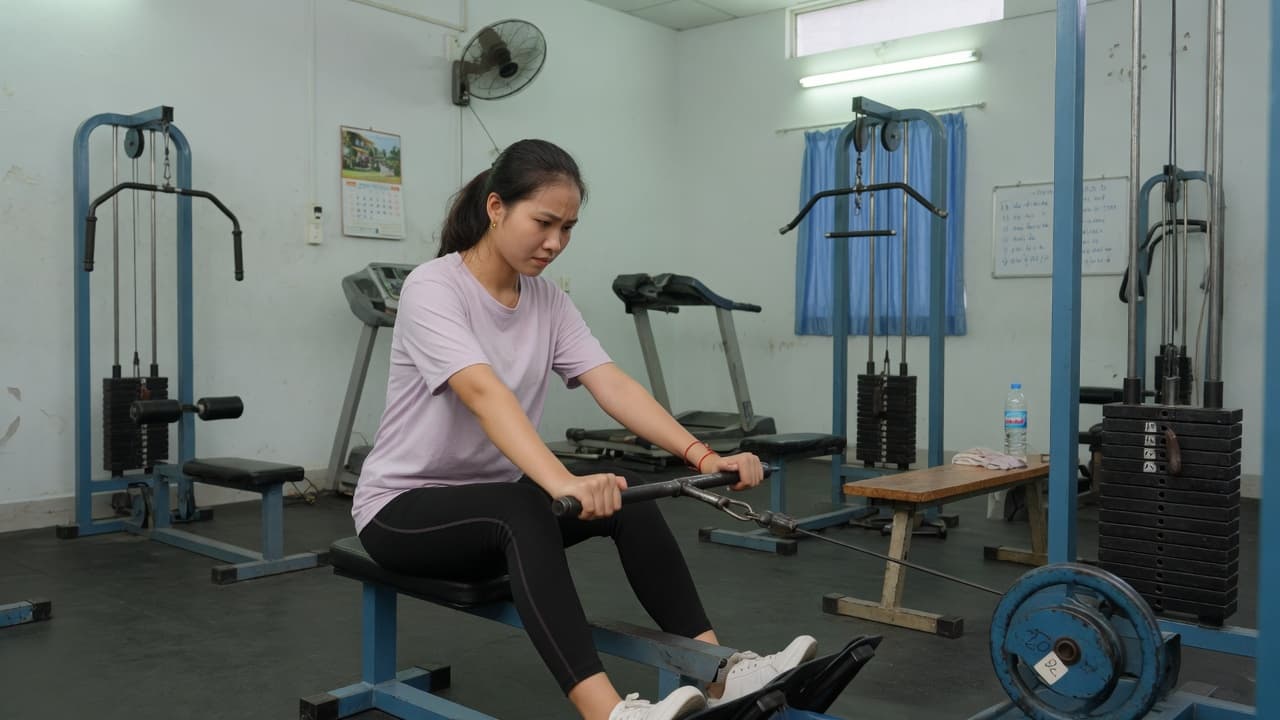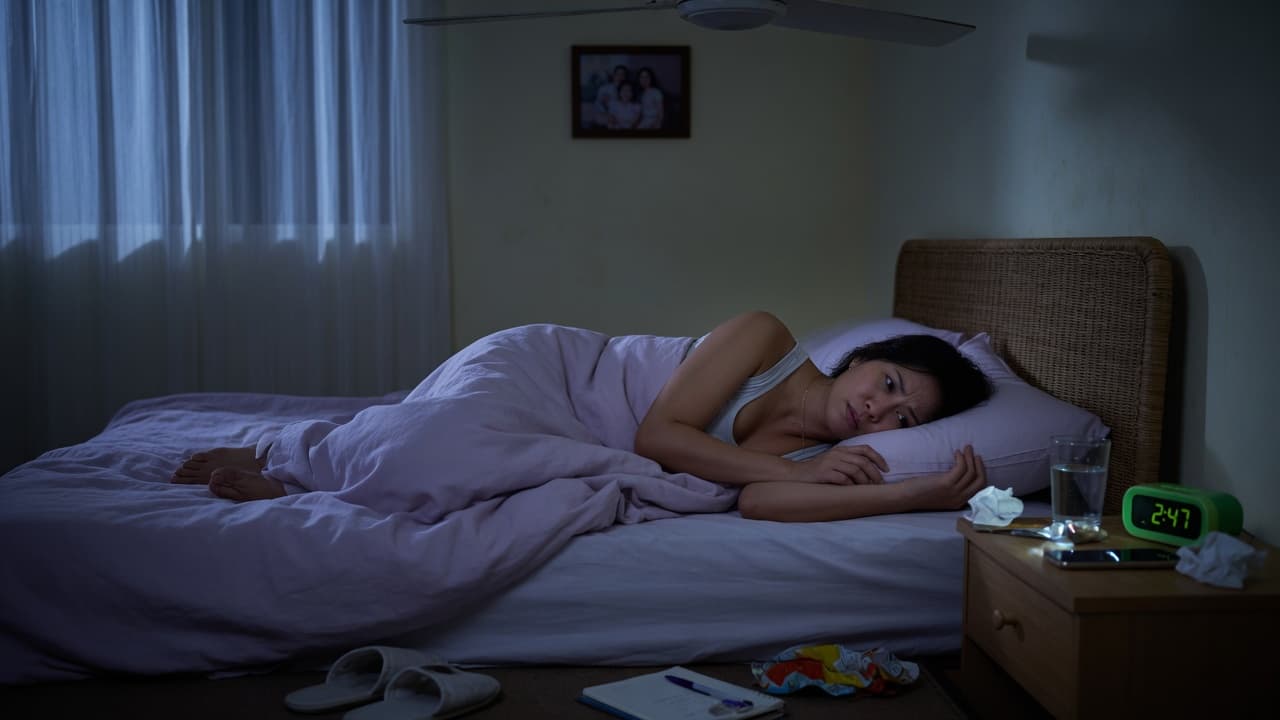
You are cutting calories fairly hard, training consistently, and the waist will not come down — maybe the scale even jumps and sweet cravings hit every afternoon. Before blaming a “mysterious slow metabolism,” look at two variables women often overlook: sleep and ongoing stress. They do not “make you fat overnight” by magic, but they can raise cravings, lower training energy, hold water, and keep a paper deficit from happening in real life because of unlogged rebound eating.
Basic recovery: sleep and muscle recovery. Period week and cravings: eating on your period without wrecking the plan. Pair with curve-keeping fat-loss training: fat-loss training for women that keeps curves.
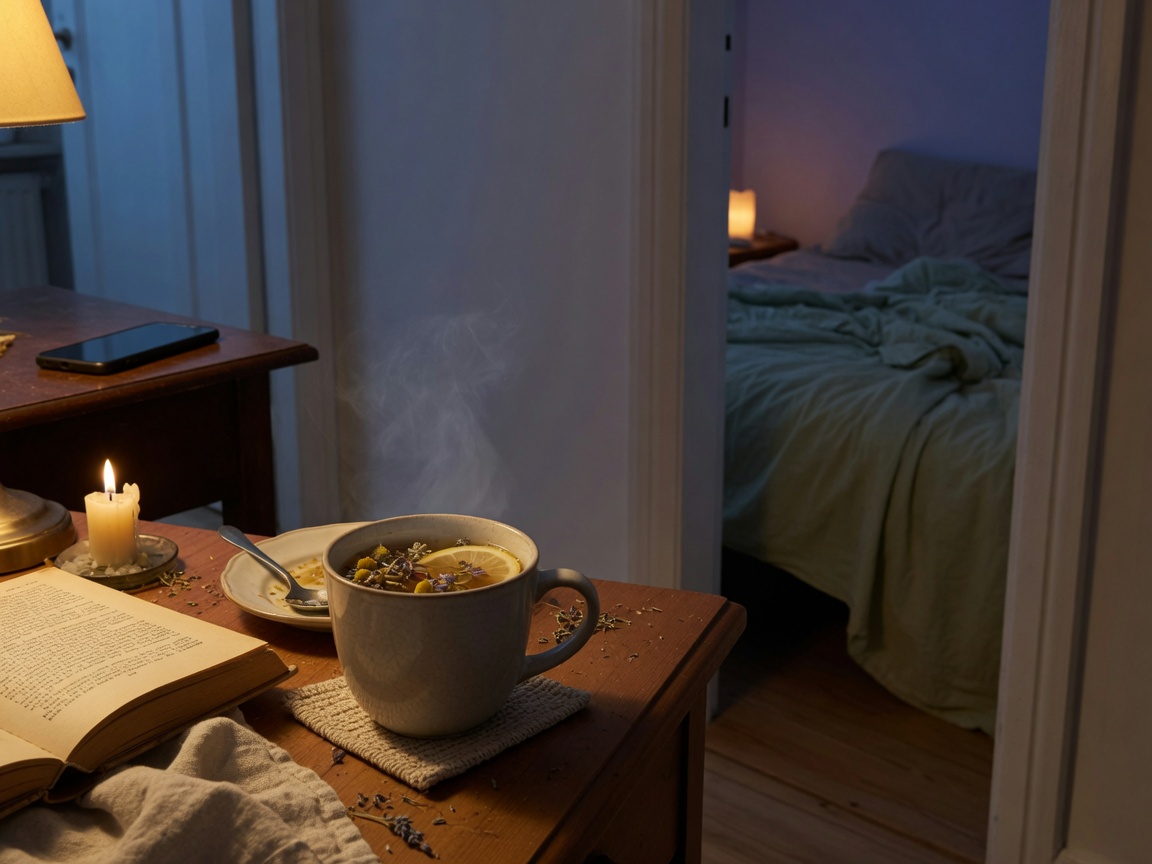
How short sleep changes eating behavior
When sleep is short (e.g. regularly under ~6 hours), many people feel hungrier, especially for salty–sweet–crunchy food, and more easily “break” the evening calorie frame. Worse food decisions are not pure weak willpower — the brain is working while tired. Next-day sessions also feel heavier, so volume drops or sessions get skipped — you burn less than planned.
- A realistic target for many adults: 7–9 hours of sleep/night with a relatively stable bedtime.
- Late caffeine, phone scrolling in bed, a hot/noisy room cut quality even if you “lie down long enough.”
- One bad night does not wreck a month; a string of bad nights deserves fixing before you cut more rice.
Before dropping another 200 kcal, ask: how many enough nights did I get this week?
Stress and “cortisol,” said simply
The body has a stress-response system; hormones like cortisol help regulate energy and inflammation short term — that is normal physiology, not an enemy you must “detox” with expensive tea. The usual problem is chronic stress + poor sleep + eating too little + training too much without recovery: you feel wiped, hold water more easily, crave food, and struggle to adhere.
This article does not diagnose endocrine disorders, Cushing’s, or any disease. Unusual symptoms (rapid weight gain with other signs, strange fatigue, lasting cycle changes) belong with a doctor — do not self-label “high cortisol” then cut food further.
Cutting calories too hard can backfire
A moderate deficit usually lasts. A very low intake for a long time often leads to:
- Fatigue, feeling cold, worse training, irritability.
- Weekend rebound eating that erases the weekly deficit.
- In some women: cycle disruption — needs medical evaluation, not more toughness.
- Muscle loss if protein is low and strength work is scarce → waist stays soft at the same weight.
Practical fix: bring calories to a level you can keep 80–90% of days; protein ~1.6 g/kg if lifting (estimate); add steps; sleep first. Revisit frames like the ~1,600 kcal women’s fat-loss menu instead of crashing to an extreme low.
Small moves that cool stress without a retreat
- Walk 8–12k steps (or ramp up from current): supports a mild deficit and a clearer head.
- One rest or mobility-only day each week when you are training hard 5–6 days.
- Work boundaries: one notification-off window if possible — job stress is a more common source than “missing superfoods.”
- Protein and vegetables at every meal: steadier fullness reduces stress snacking.
- Do not stack a “1,200 kcal + daily HIIT challenge” on top of insomnia.
14-day checklist when the waist stalls
- Log bedtime–wake; aim for ≥4 nights/week better than before.
- Keep protein; do not cut evening carbs further just because of stress.
- Count steps or walking minutes; raise slightly if non-gym activity is very low.
- Track waist/photos/average weight — not one Monday morning weigh-in.
- Period week: do not tighten further; see the period-eating article.
If after sleeping and eating more adequately you still have medical red flags, that is when you need a professional — not when you buy more unclear supplements.
FAQ
1. Does short sleep make “the diet stop working”?
A deficit is still a deficit, but short sleep makes a real deficit hard to keep (cravings, rebound) and raises water retention so the scale/photos look stuck. Fixing sleep often makes the plan “run” again.
2. Do I need cortisol-lowering supplements?
No magic pill replaces sleep and load management. Prioritize habits; treat any supplement cautiously and never as a substitute for medical advice.
3. Can more training make up for poor sleep?
Usually not. Stacking volume while exhausted raises injury and stress. Dropping one hard session and sleeping better often beats forcing late-night cardio.
This is education on sleep–stress–eating habits, not a medical diagnosis or treatment. The author is not a doctor/dietitian. Do not use it to self-diagnose PCOS, endocrine disorders, or other disease. Pregnancy, eating disorders, amenorrhea, severe anxiety/depression — seek an appropriate healthcare professional.