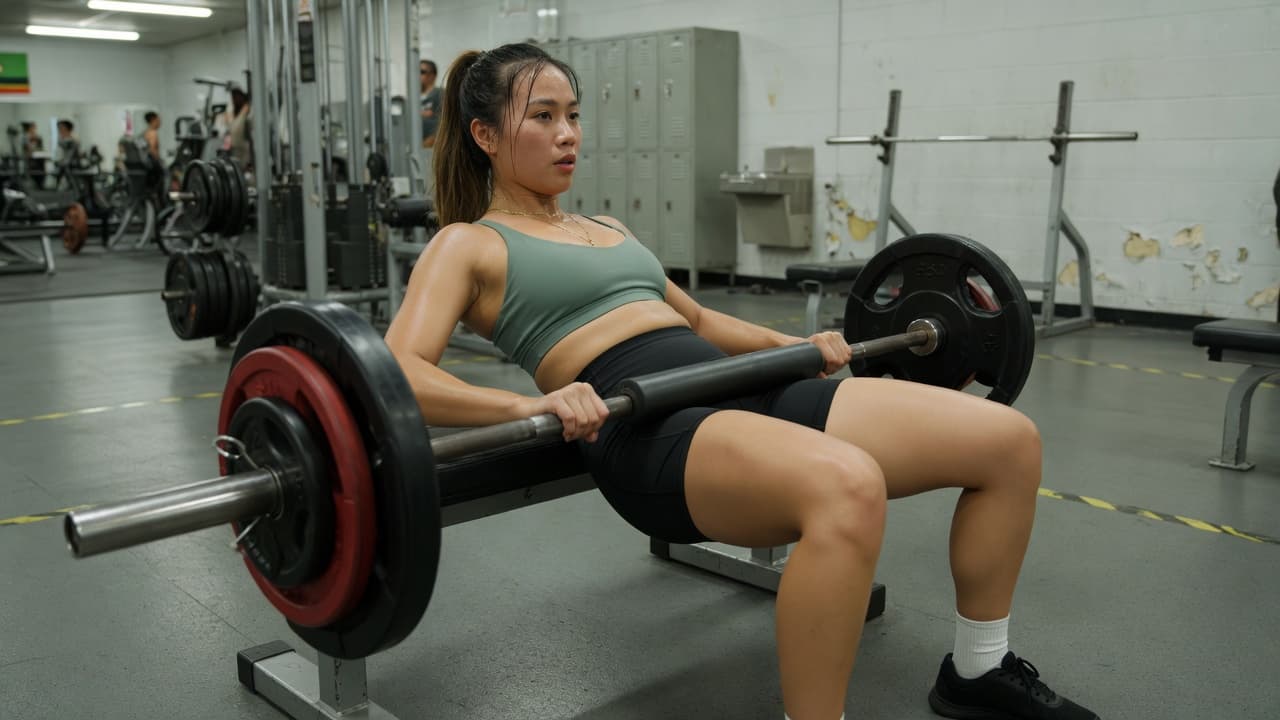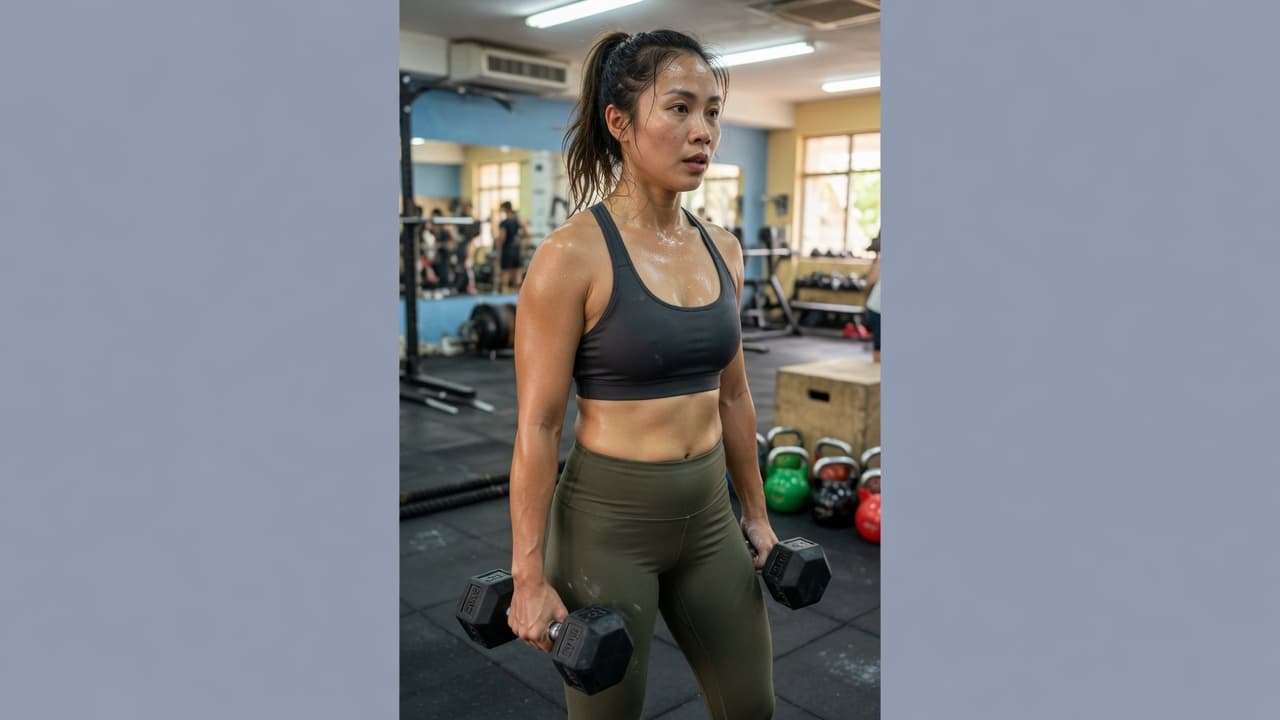
A sports bra is first of all movement support for running, jumping, HIIT, or impact training — not a fashion item to squeeze measurements. Wrong size or poor support can irritate shoulders–back, shift straps, and kill training enjoyment. This piece covers support levels, a practical size try-on, and signs to change bras. Not medical advice about breasts, breast tissue, or treating chest pain.
Home training with light jumps: home training for women. Cardio and muscle: does cardio break muscle. General recovery: what to do on a rest day when you are sore.
Support by activity type
- Light–moderate support: yoga, brisk walking, low-bounce lifting — many people are fine in a regular training bra.
- Higher support: running, rope, box jumps, classes with hard footwork — prefer designs that reduce up–down and side-to-side motion.
- Higher impact, more reason to review support — your subjective feel matters: if every step is clearly uncomfortable, try another support level (still within sportswear, not medical devices).
A bra that looks great on the hanger but slips straps and supports poorly over 1 km of running is not yet the “right job” bra.
Practical size selection (not a clinical fitting)
- Try standing still: the underband sits level, does not cut painful grooves, does not muffin uncomfortably.
- Raise arms and bend lightly: straps do not slip, cups do not spill edges that chafe.
- Light jumps in place 20–30 times: judge motion and shoulder-strap pain points.
- After 20–30 minutes of a trial session (if the store allows exchanges): note redness, numbness, or wanting it off immediately.
International size charts are only a start — breast shape and fabric stretch differ. Do not buy one size tighter to “look sleeker in photos”; wrong support and strap pain are not durable aesthetics.
| Sign | Try | Avoid |
|---|---|---|
| Shoulder straps dig painfully | Better support / wider straps / different band size | Only yanking straps until choked |
| Underband rides up | Slightly snugger band size or another style | Buying smaller in every dimension “to be sure” |
| Running bounce uncomfortable | Higher support for run days | Quitting running entirely because of one old bra |
| Itch / skin chafe | Change fabric, seams, wash correctly | Cream then endure all season |
Lifting days vs running days
Many people keep two support levels: one for weights/yoga, one higher for run–jump. You do not have to buy the most expensive; you must be comfortable enough to finish the session. Sweat-soaked bras should be washed and not left damp in a closed bag — the band elasticity dies fast.
- Replace when the band is clearly stretched, seams fail, or support feels worse than before at the same size.
- Do not use a sports bra as a medical shaping garment or any treatment device — this article does not discuss clinical indications.
- Lasting breast pain, a new lump, discharge, one-sided hot redness: see a doctor — do not “treat” by only changing bras.
Common mistakes
- Choosing by trend color, skipping a jump test.
- Using a daily bra that has stretched for interval runs.
- Tightening the band until breathing is hard then blaming cardio.
- Believing “lift–firm–treat” ads as medical promises.
FAQ
1. Does high support permanently change breast size?
Sports bras are worn during activity. This article gives no medical advice on breast tissue or size. If you worry about shape change or pain, ask a doctor — do not rely on bra ads.
2. Must lifting always use maximum support?
Not always. Many low-impact lifting sessions only need moderate support and free shoulder movement. Run/jump days usually need higher support.
3. Shoulder pain in a bra — weak muscles?
It may be poorly matched straps/band, wrong size, or another cause. Adjust the bra first; lasting pain or unusual breast/armpit pain needs an exam — do not self-diagnose.
General sportswear education — not medical advice about breasts, breast tissue, surgery, or chest-pain treatment. Do not use this article to diagnose disease. See a doctor for unusual breast signs, unexplained pain, or shortness of breath from an overly tight bra. The writer is not a physician.