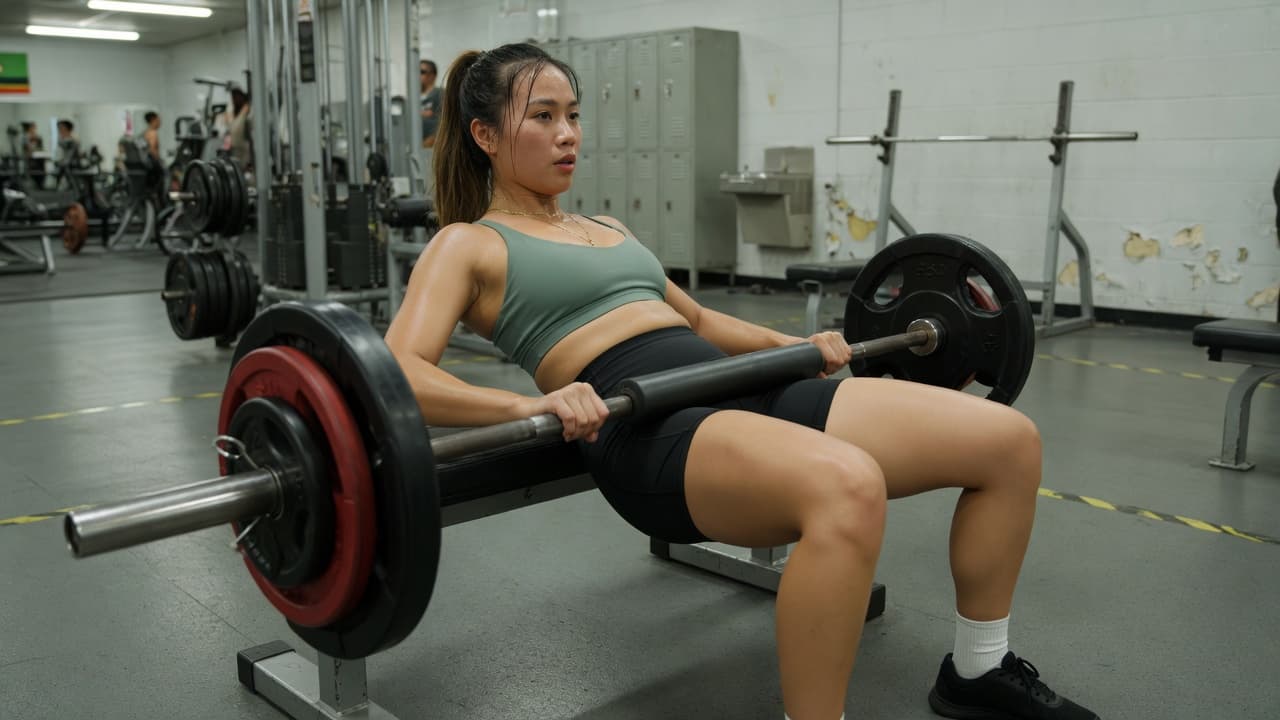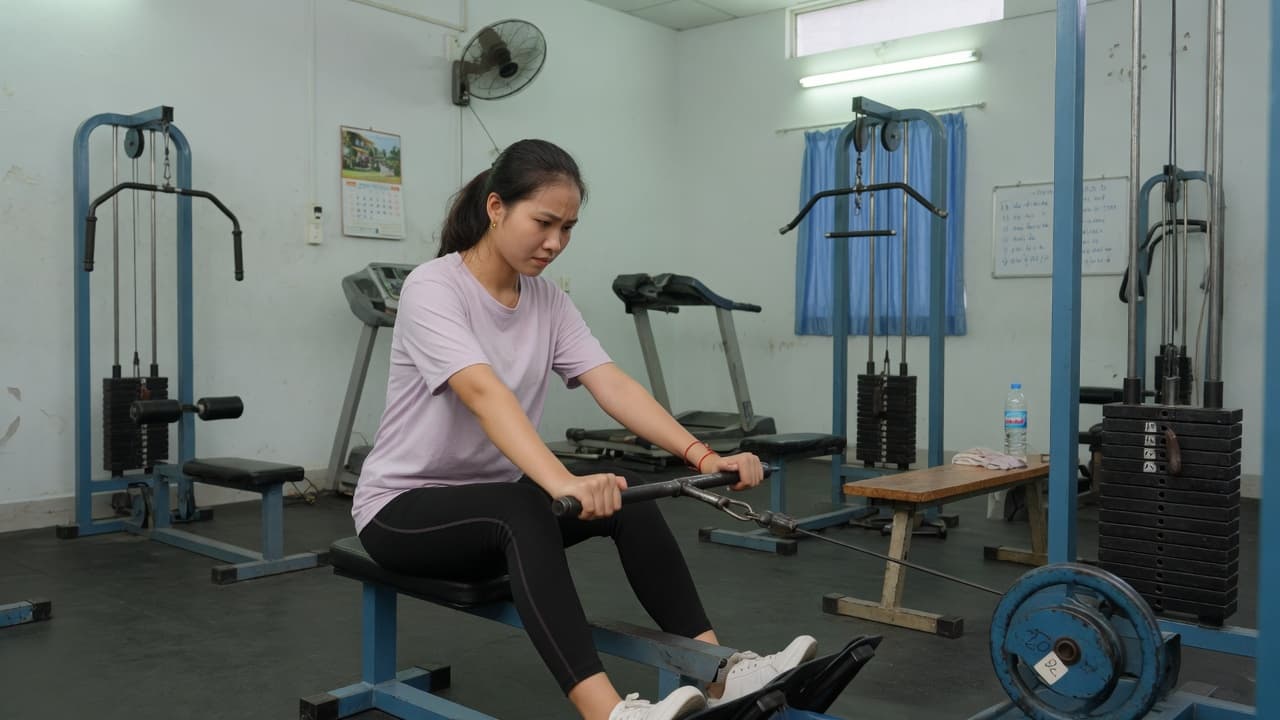
A rest day does not mean “lie still until the soreness vanishes.” For lifters, a proper off day is active recovery: blood still moves, joints get light motion, protein stays adequate, and the mind rests from PR pressure. If you have ever woken up on an off day feeling stiffer than after training, this article is for you.
The goal is less accumulated fatigue without losing habit rhythm. Walk 20–40 minutes, eat enough like a training day, spend a few minutes on mobility, and allow social rest — more realistic than “maximize absolute stillness.”

Why lying still all day often backfires
After a heavy lower-body session, muscle tissue needs repair time, but circulation also needs light movement to deliver nutrients and ease that “frozen” feel. Sitting or lying too long stiffens joints, bothers the low back, and can flatten mood — especially if your workweek already has few steps.
A rest day is also not a “cheat eat” day or a day to slash protein because “I’m not training.” Muscle is still repairing 24–48 hours after a session; protein need does not drop to zero just because the calendar says rest.
Walk 20–40 minutes: the simplest active recovery
Choose a pace you can talk at comfortably. You do not need a complex Zone 2 setup if you are new — just steady steps, relaxed shoulders, no turning it into a hard run. Twenty minutes is enough on a very sore day; 30–40 fits when legs are only mildly tight.
- Morning or early afternoon: clearer head and an easier on-time bedtime.
- Outdoors when possible: natural light supports circadian rhythm — a good partner for habits in sleep for muscle recovery.
- Flat terrain: the day after heavy squats, skip long hills if knees are still sensitive.
- Comfortable shoes: specialty shoes optional; just no foot pain.
Rain or a packed day: 2–3 loops of 10 minutes around the house/office still beat zero steps. Feeling lighter afterward matters more than an absolute step count.
Eat enough protein on rest days
Keep protein near training-day targets across 3–4 meals. Carbs do not need to match a high-volume day, but cutting them too hard invites fatigue and worse sleep. Vegetables and moderate fat help lasting fullness.
- Breakfast with eggs/yogurt/tofu + moderate carbs.
- Lunch with enough meat/fish/beans + vegetables.
- A protein snack if main meals are more than 4–5 hours apart.
- Dinner can be lighter if the afternoon was inactive — but do not drop protein.
Drink water steadily. Feeling “puffy” the day after a hard session is often water and glycogen — do not jump to extreme salt cuts just because this morning’s scale is higher.
Short mobility and mental rest
Rest days suit opening the hips, chest, and hamstrings at a comfortable intensity — not forcing end range. Five to ten minutes after a walk (when you are lightly warm) usually feels better than stretching cold first thing.
Breath-counted positions are in post-workout stretching for hips, chest, and hamstrings. Carry the same rules to rest days: no breath-holding, no bouncing, stop before sharp pain.
Stretch on rest days to feel better and keep range — not to “make up” a missed workout.
Recovery is not only muscle. If your off day still means opening apps, watching other people’s PRs, and comparing yourself, the nervous system has not really rested. Block time unrelated to the gym: friends, cooking, reading, or a coffee without scrolling physique feeds. Busy people often turn rest days into deadline days — protect at least one low-stimulation evening for on-time sleep.
Do this / avoid that
Do
- Walk or very easy cycle 20–40 minutes.
- Keep protein high; eat on schedule.
- Short mobility for chronically tight areas.
- Sleep enough; limit late caffeine.
- Note how legs/back feel versus the next training day.
Avoid
- “Punishment cardio” for yesterday’s eating.
- Testing max lifts because you “still have energy.”
- Sofa all day then a late night.
- Cutting food very low only because you are not training.
- Cold aggressive stretching into sharp pain.
A 45-minute short version — and when to rest fully
No free morning? Minimum pack: 10–15 minutes slow walking, 5 minutes hip–shoulder circles, one protein-adequate main meal, and the same bedtime as usual. Rest-day consistency matters as much as training-day consistency.
If you have a fever, several very poor nights, sharp joint pain, or whole-body exhaustion unlike normal muscle soreness — rest for real; walking may shrink to a house stroll. Conversely, mildly heavy legs after a leg day usually feel better with an easy walk than with total stillness. Separating muscle soreness from stop signals is a long-term skill.
FAQ
Can I train abs or light arms on a rest day?
If volume is already high, adding a “light day” often becomes a stealth training day. For beginners or low volume, a few easy core sets can be fine — but prioritize walking and sleep first. If every rest day becomes a mini-workout, you do not have a rest day.
Rest before or after the hardest session?
Many people like resting after heavy lower-body or full-body days for tissue repair. People with poor sleep or high stress may need rest before a hard day so they arrive sharper. Try each approach 2–3 weeks and watch main-set quality.
Is a 90-minute rest-day walk too much?
For people who sit a lot, a long walk is often still recovery. But if you are in a deep calorie cut, prepping a strength test, or legs are very sore after high volume, keep 20–40 minutes and save energy for sleep and food. Longer is not always better.
Disclaimer: This article shares general lifestyle and recovery ideas for healthy trainees — not a medical diagnosis or treatment. Lasting pain, joint swelling, or unusual fatigue — see a clinician before continuing the program.