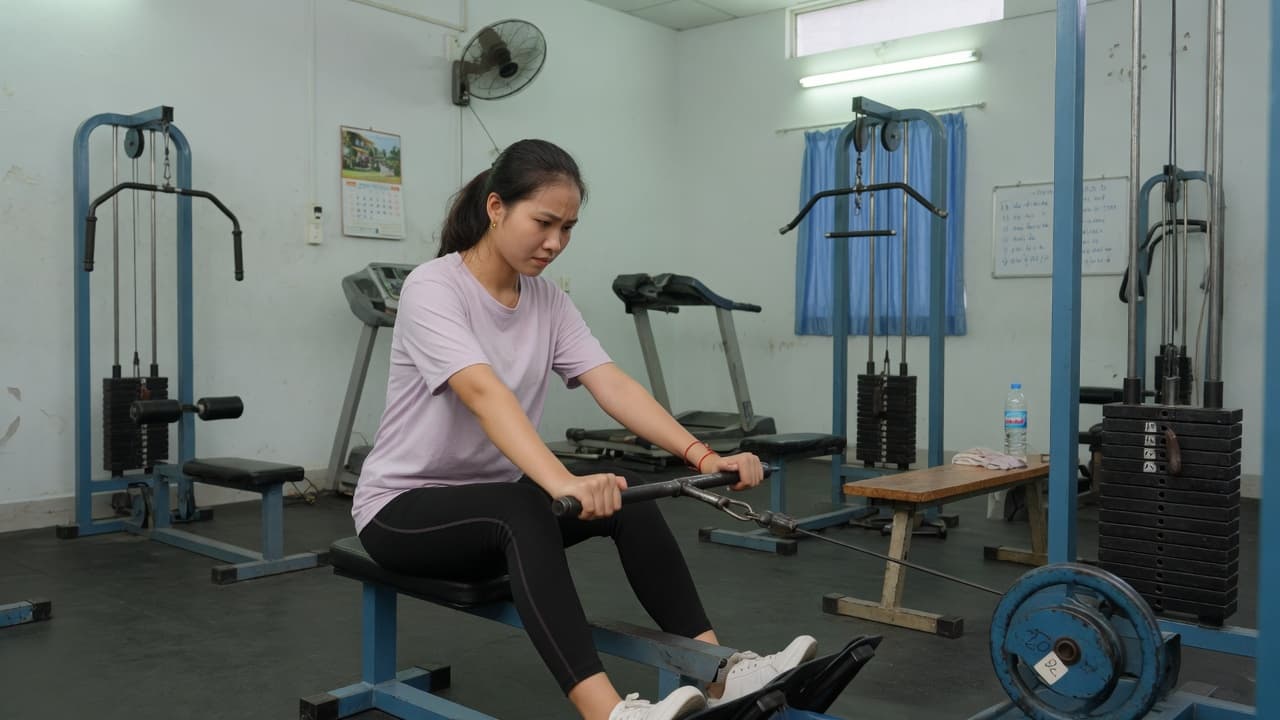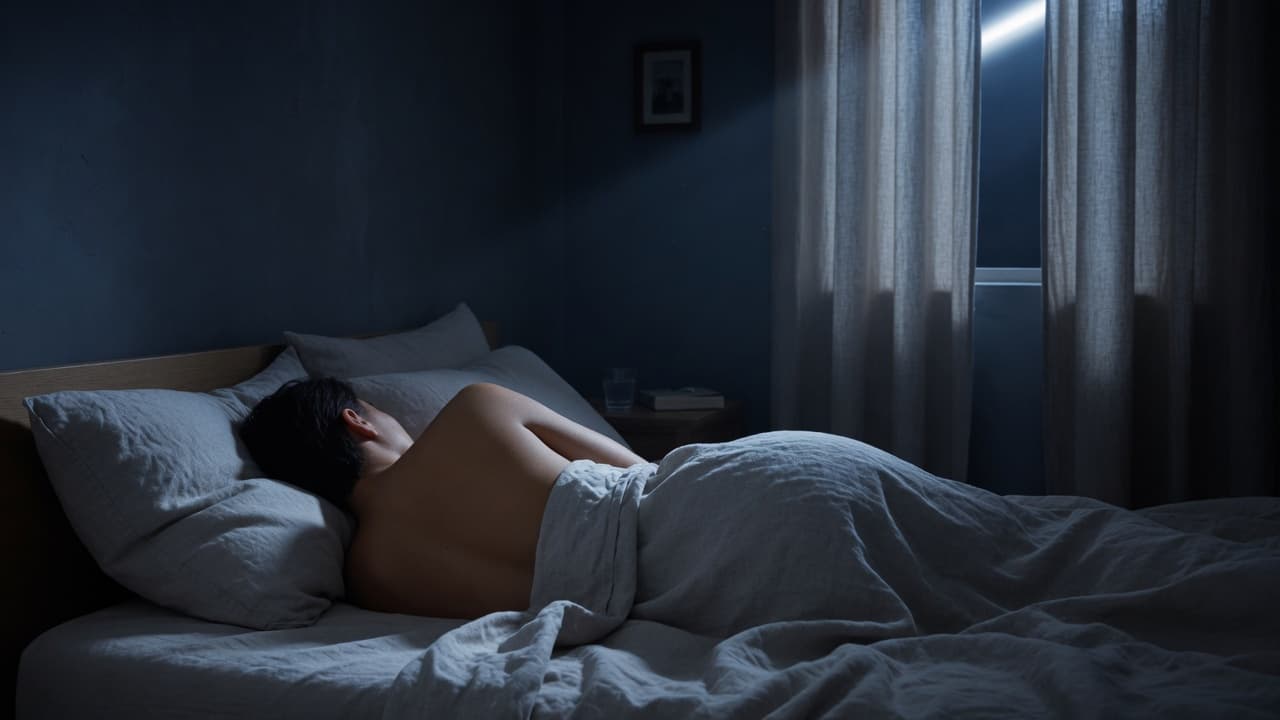
You can hit the right training volume and eat enough protein, but if every night runs short on sleep, muscles still feel “stiff” and progress slows. Muscle recovery is not only the gym or the plate — much of tissue repair happens in deep sleep. This article gives a practical checklist for seven nights in a row, for lifters who want strength back without rewriting their whole life.
The goal is not perfect sleep from night one. The goal is a repeatable habit: 7–9 hours in bed, caffeine cut on time, a dark cool room, and a backup plan when you must stay up late.
Why lifters should prioritize 7–9 hours
After heavy compounds, muscle fibers take microscopic damage. The body uses the night window to support repair, settle the nervous system, and ready you for the next load. Under six hours for many nights in a row, the bar often slows, fatigue spills into the next session, and afternoon hunger can rise — easy ways to break the nutrition plan.
Seven to nine hours is the starting point for most regularly training adults. People newly raising volume or cutting calories may need the upper edge. If the scale swings even when eating is steady, also read don’t quit in week 3 — short sleep often means more water retention and a harder-to-read scale.
7-night checklist: stack one habit at a time
Each night, tighten only one more habit if the previous night went okay. After seven nights, keep the smallest sustainable “core pack.”
- Night 1 — Lock bedtime and wake time. Pick a fixed window (e.g. 11:00 p.m.–6:30 a.m.). Set a wake alarm, not only a “go to bed” reminder. Work backward for at least seven hours in bed.
- Night 2 — Cut caffeine after mid-afternoon. A common cutoff is 6–8 hours before sleep. If you drink coffee at 3:00 p.m. and sleep at 11:00, switch to water or herbal tea after that window.
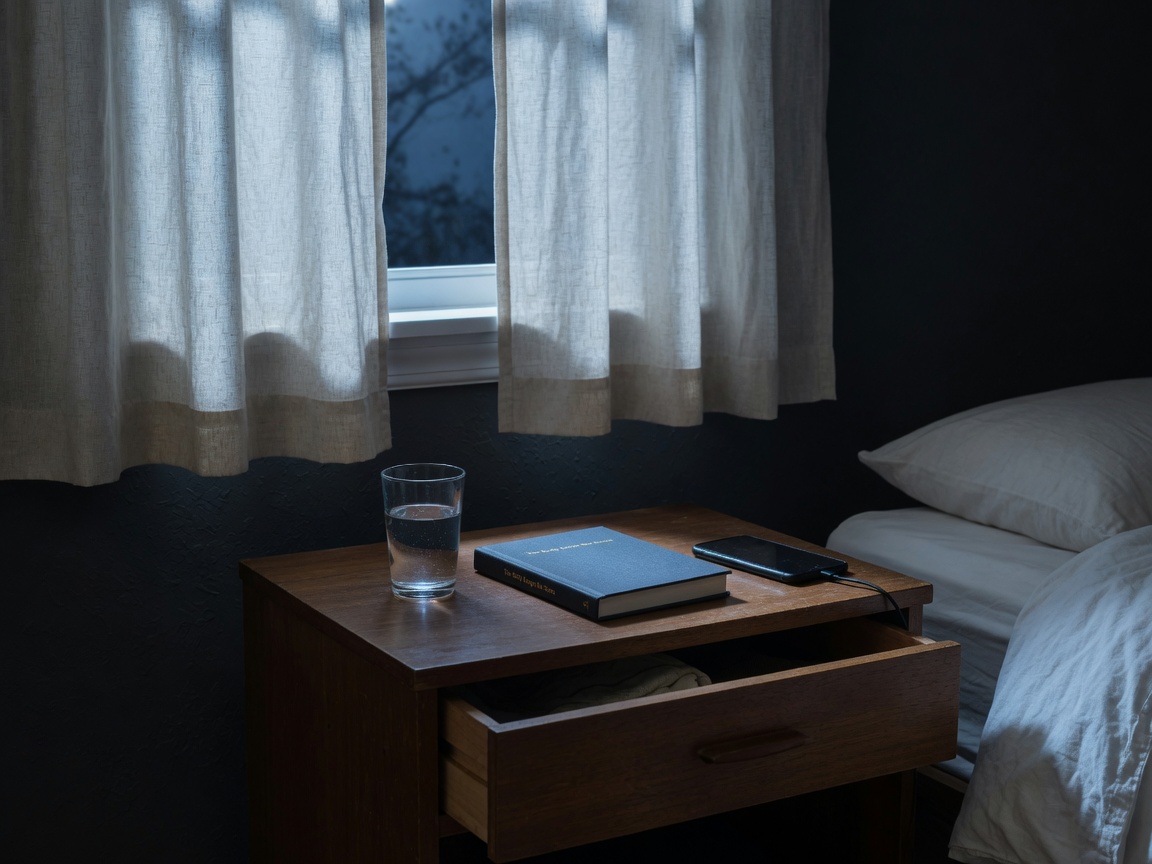
- Night 3 — Dark, cool room. Kill main lights, dim devices, lower temperature if you can. Soft warm light signals “almost bedtime” better than bright white.
- Night 4 — 20–30 minute wind-down. Mute work notifications, jot tomorrow’s tasks, avoid high-intensity scrolling on the pillow.
- Night 5 — Dinner with enough protein; avoid extreme late fullness. The meal near bedtime can be lighter than the main meal but should still include protein if you trained in the evening. Both midnight hunger and overfilling wake people up.
- Night 6 — Limit alcohol and extreme catch-up sleep. Alcohol can make you drowsy fast but fragments deep sleep. One 12-hour weekend sleep does not erase a week of debt.
- Night 7 — Keep three core habits. Pick the three easiest wins (fixed hours, caffeine cutoff, dark room) and make them default.
Caffeine cutoff and the bedroom
Morning training usually pairs fine with pre-session coffee. Late evening sessions (after 7:00 p.m.) plus caffeinated pre-workout often push bedtime past midnight — try a caffeine-free version or half dose, then watch three nights. Log last caffeine time and sleep quality 1–5 to find your personal threshold.
A phone inches from your face in the dark still tells the brain it is daytime. Keep the phone off the pillow or use night mode. Soft fan noise can mask sound; skip stimulating podcasts. A slightly cool room usually deepens sleep better than a hot one; without AC, use a breathable blanket and light sleepwear.
When you must stay up late
Late meetings and surprises are real. Do not trash the checklist — run the short version:
- Kill bright lights as soon as you get home; do not “make up” with another hour online.
- Drink water; avoid dumping a heavy meal at 1 a.m.
- Sleep whatever you can; wake 60–90 minutes later if the schedule allows instead of a long afternoon nap.
- Next day prioritize easy walking and protein at every meal — see what to do on a rest day so you feel less sore.
One bad night does not wreck a program. Three bad nights in a row plus heavy lifting is when load deserves a cut.
Training the day after a poor night
Do not auto-cancel, and do not force a PR. Simple rules:
- Warm up more carefully than usual; listen to joints and focus.
- Keep main sets but drop load 5–10% or skip the last accessory set if form breaks.
- If you get dizzy, resting heart rate feels oddly high, or brain fog is obvious — switch to light technique, mobility, or active rest.
- Prioritize an early night instead of “making up” with extra HIIT.
People cutting weight often mistake sleep debt fatigue for “need to eat even less.” Fix sleep for a week before reassessing calories.
Attach sleep to the training calendar
Put lower-body or heavy deadlift days after nights you can protect. Technique, isolation, or easy cardio flex better after meeting nights. If every Tuesday is chaos, do not schedule heavy squats Wednesday morning.
On weekends, keep wake time within 60–90 minutes of weekdays to avoid social jet lag. A real rest day also supports recovery — do not turn the off day into all-day lying down then a late night.
Signs sleep is helping: fewer snooze taps, RPE for the same loads steady or down, post-heavy soreness easing within about 48 hours, fewer late sweet cravings. If you already sleep 8 hours and still feel wrecked after every session, review volume, stress, and food intake.
FAQ
Can naps replace night sleep?
A 20–30 minute nap can cut afternoon sleepiness, but it does not replace night sleep architecture. Naps over 60–90 minutes often make bedtime harder. Use them as support after a bad night, not as a replacement habit.
Do I need melatonin or magnesium to sleep better?
For many people, fixing caffeine, light, and bedtime is enough. Supplements are optional and do not replace base habits. Lasting insomnia belongs with a clinician — this article does not guide self-prescription.
Night before a meet or 1RM test — what matters most?
Prioritize your usual bedtime over forcing an unusually early night (which often causes tossing). Cut stimulants, eat a familiar meal, and accept a slightly short night if the prior week was solid. Do not invent a brand-new ritual on the important night.
Disclaimer: This is education on sleep habits and post-training recovery, not medical advice. Heavy snoring, lasting insomnia, or suspected sleep disorders — see a doctor before sharply changing training or adding supplements.