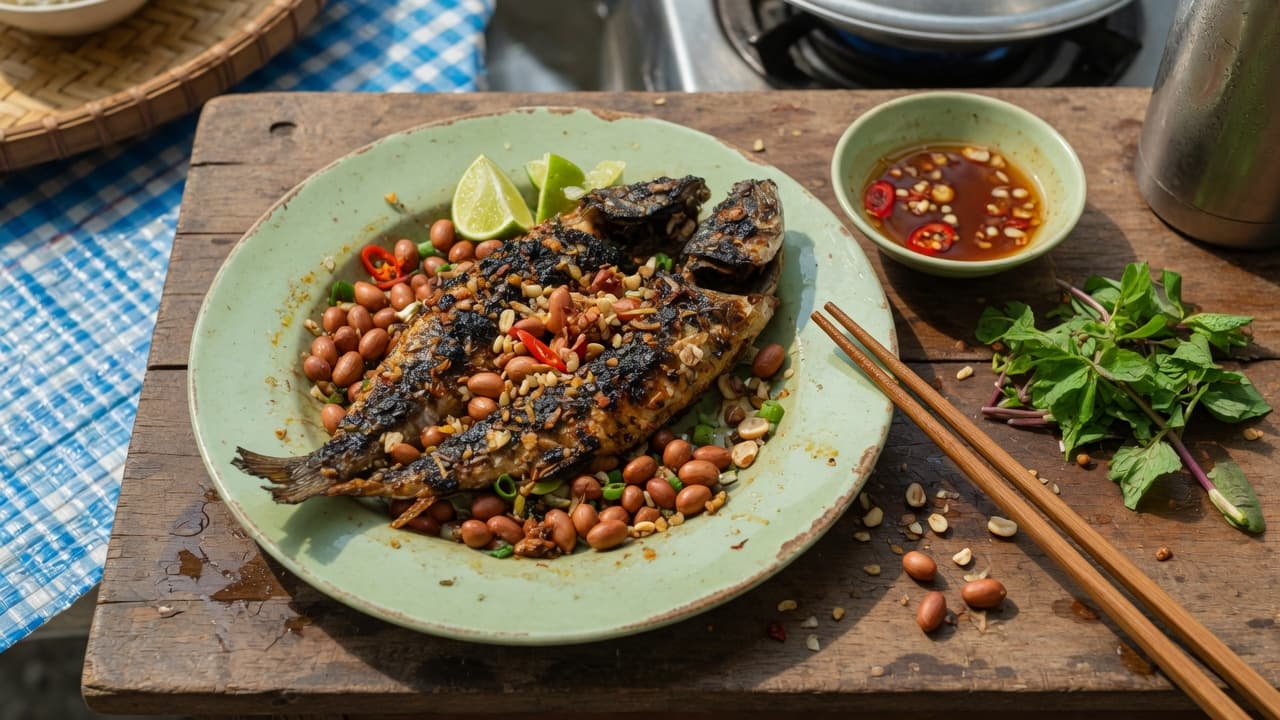
This is not a clinical protocol for breastfeeding mothers, does not prescribe hard calorie numbers, and does not replace an obstetrician or dietitian. While nursing, the practical priority is: do not run a harsh deficit to “get the body back this week,” keep protein and fluids per your clinician’s guidance, and seek care if weight drops fast or fatigue is unusual. Article goal: reduce crash-diet pressure from social media.
Short new-mom training: new-mom schedule. Postpartum with clearance: postpartum training from month 4 on. Sleep–stress: sleep, stress, and weight in women.
Why harsh deficits are discouraged
- Breastfeeding demands energy and recovery; deep cuts invite fatigue, irritability, and harder caregiving.
- Some people notice effects on milk supply or stamina when intake is too low — any large change needs your doctor/professional’s input.
- Durable “getting the body back” usually rides time, workable sleep, and cleared movement — not one week of fasting.
This article does not give a kcal deficit level for breastfeeding moms. Do not copy fat-loss menus from people who are not nursing.
Practical plate priorities
- Protein at every main meal: eggs, fish, lean meat, tofu, yogurt, chicken — portions you can eat and your clinician agrees with.
- Enough starch to function: rice, potato, bread — do not cut it all from carb fear.
- Vegetables and fruit: volume, micronutrients, fiber.
- Moderate healthy fats: light cooking oil, fish, a few nuts — help fullness and fat-soluble vitamin absorption.
- Fluids: drink to thirst and care guidance; keep a bottle near the nursing spot.
| Habit | Do | Avoid |
|---|---|---|
| Calories | Eat enough for needs and personal advice | Copying a 1,200 kcal diet from the internet |
| Protein | Clearly present at each main meal | Only boiled greens all day |
| Meals | Eat regularly when hungry; keep quick foods ready | Skipping meals then night binges |
| Tracking | Energy, milk (feel + checkups), health | Weighing 5×/day + influencer comparison |
Fast–decent food when busy
- Pre-boiled eggs, yogurt, fruit, small rice balls, tofu.
- Soup + rice + mild braised meat cooked for 2–3 days (store safely).
- When family asks “what do you want”: ask them to prep protein + vegetables + rice instead of only sweet porridge.
Caffeine, alcohol, foods to limit for mother–baby status: follow your doctor, not unverified internet lists. This article does not list a clinical ban catalog.
Postpartum fat loss: thinking frame
If cleared and you want slow fat loss: talk with a doctor/dietitian about timing and a safe degree — do not self-apply a strong deficit. Cleared light training helps keep muscle; enough eating helps sessions and night wakings not collapse. Very fast weight loss, dizziness, sudden milk drop by feel, or heavy low mood: seek care early.
- Do not stack at once: deep food cuts + jump HIIT + 3 hours of sleep.
- Someone else’s 6-month postpartum photo is not your deadline.
- “Milk-boost–fat-burn” teas/pills: ask a doctor first; do not DIY.
FAQ
1. How soon after birth can I diet?
There is no universal milestone. The decision sits with your doctor, breastfeeding status, and overall health. This article does not issue a “diet permit.”
2. Do I need specialty formula for moms?
Not required if eating is varied. Any pill / supplemental milk: ask a professional first — especially on medication or with chronic disease.
3. I still want a small waist fast?
That pressure is common but a harsh deficit is not a default safe answer while breastfeeding. Set health goals and ask your care team to personalize; seek mental-health support if body image is causing real distress.
General education — not a clinical nutrition protocol for breastfeeding moms, not obstetric/pediatric advice. Does not encourage harsh calorie deficits. Follow your doctor and dietitian. Seek care promptly for rapid weight loss, severe fatigue, dizziness, concerning milk drop, fever, pain, or postpartum depression symptoms. The writer is not a physician.