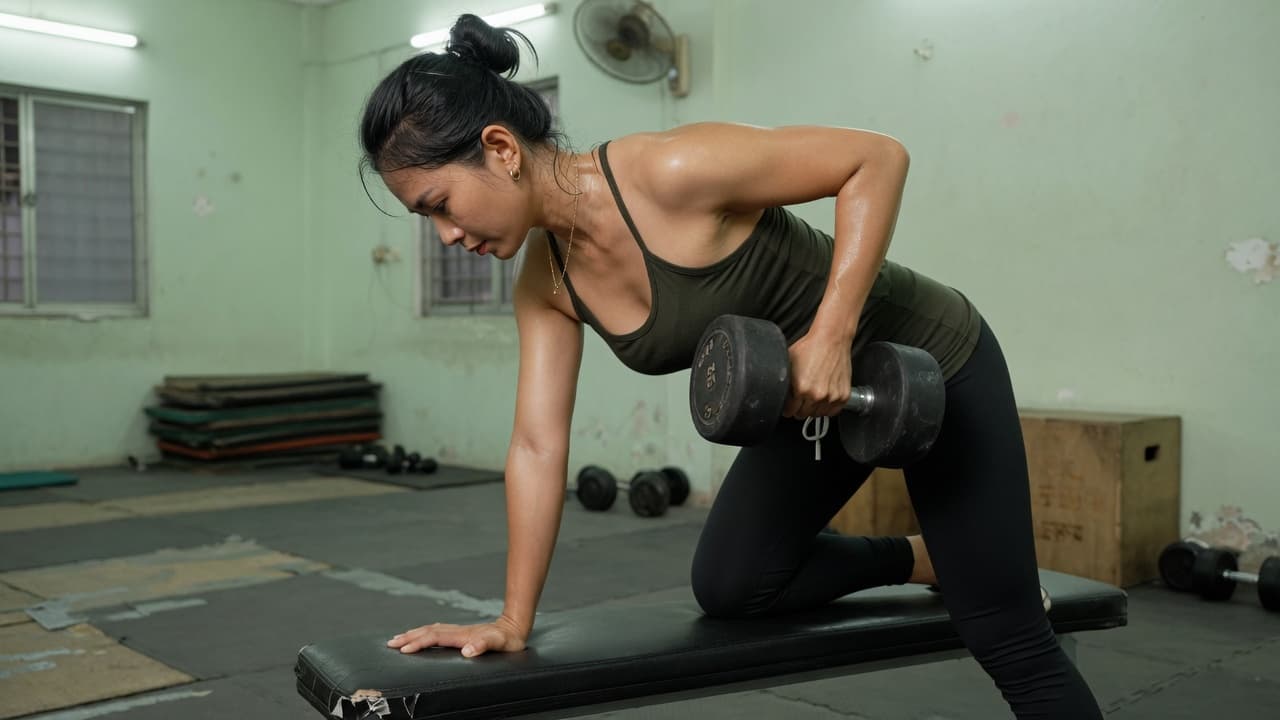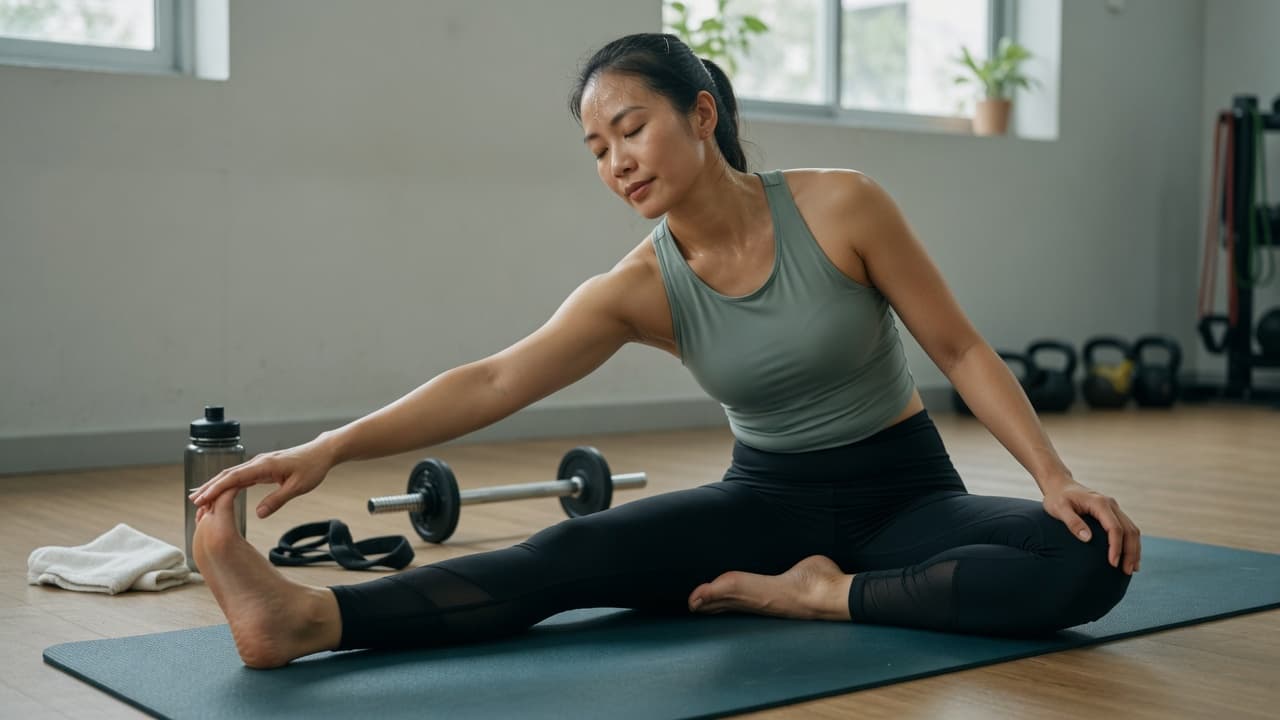
New moms rarely get 90 quiet gym minutes like on social media. A more realistic plan: 2–3 sessions of about 25 minutes, dumbbells or bands, grabbed while the baby sleeps (or with a short babysitter). Goal: keep strength, mood, and habit — not compare bodies with influencers who sleep enough and have a team. If you are still in early postpartum, only add resistance work after doctor/physio clearance.
Post-clearance frame from month 4 onward (reference, not a doctor substitute): postpartum training from month 4 on. Eating while breastfeeding: eating while breastfeeding. Short home sessions: home training for women with a mat and dumbbells.

New-mom principles (practical)
- Clearance first if recently postpartum or still having pelvic-floor/abdominal symptoms — see the postpartum article.
- 2–3 sessions/week beat 0 sessions while waiting for a “perfect” calendar.
- Fragmented sleep: lower RPE, drop ego sets, prioritize compounds.
- Protein and fluids matter as much as the workout — especially while breastfeeding (per your clinician’s guidance).
- Do not compare training weeks with people who do not wake at night.
A short session done still beats a long session that only lives in reminder notes.
Sample 3 × ~25-minute plan
| Day | Focus | Duration | Note |
|---|---|---|---|
| Session A | Lower body + glutes | 25 minutes | Chair squat, bridge, light hinge |
| Session B | Pull–push | 25 minutes | Band row, wall/dumbbell press |
| Session C | Short full body | 20–25 minutes | Few moves, little setup change |
Two days/week: keep A and B. Baby wakes mid-session: stop safely, mark “did 60%” — do not punish with midnight HIIT.
Session A – lower body
- March in place / room loop: 2 minutes.
- Sit-to-stand or goblet squat to a chair: 3×8
- Floor glute bridge: 3×10
- Very light dumbbell RDL or bodyweight hinge only: 2×8
- Side-lying clamshell or short band lateral walk: 2×10/side
Session B – pull and push
- Band row with a solid anchor: 3×10
- Wall push-up or dumbbell press on floor/bench: 3×8
- Band pull-apart: 2×12
- Optional light curls: 2×10
- Slow dead bug if you have suitable guidance: 2×5/side
Rows help carry–feed posture (shoulders drifting forward). Loose band anchor or weak door: change to a safe setup or skip that session — no dangerous improvisation.
Session C – compact full body
- Sit-to-stand: 2×8
- Band row: 2×10
- Bridge: 2×10
- Wall push: 2×8
- Easy walk cooldown 3 minutes
Minimal gear
- One pair of light–moderate dumbbells (or sturdy water bottles when starting very light).
- Resistance band and a safe anchor point.
- Sturdy chair, non-slip mat.
- Phone for timing — no complex app required.
Protein and expectations
Try for protein at each main meal (eggs, fish, lean meat, legumes, yogurt) in portions you and a dietitian/doctor recommend — this article does not hard-prescribe calories for breastfeeding moms. Progress load very slowly: add 1–2 kg or 2 reps when form is solid and sleep is temporarily acceptable. Photos change slower than for people sleeping 8 hours; mental health and carrying the baby without shoulder pain also count as progress.
What to avoid in this phase
- Max-effort jump HIIT when the pelvic floor is not ready or clearance is unclear.
- Daily scale comparisons with edited online photos.
- Training to exhaustion at midnight then raging at yourself.
- Skipping food to “get the body back this week” while breastfeeding — see the breastfeeding eating article.
FAQ
1. Baby will not sleep on schedule?
Split 10 + 10 minutes, or shrink A to 15 minutes. Judge flexibility by the week, not a perfect day.
2. Do I need a gym?
Not required. Home dumbbells and bands are enough for a strength-maintenance phase. Gyms help when you want machines and stable childcare.
3. How soon will I “see shape”?
It varies; often many weeks to a few months with eating–sleep in workable condition. Prioritize energy, a strong back–shoulders for carrying, and habit — do not set deadlines against influencers.
General physical education for moms cleared to move — not a postpartum protocol or pelvic-floor rehab plan. Follow your obstetrician and physiotherapist. Stop and seek care if pain rises, unusual bleeding, worsening incontinence, dizziness, or other abnormal symptoms. Do not compare progress with social media.