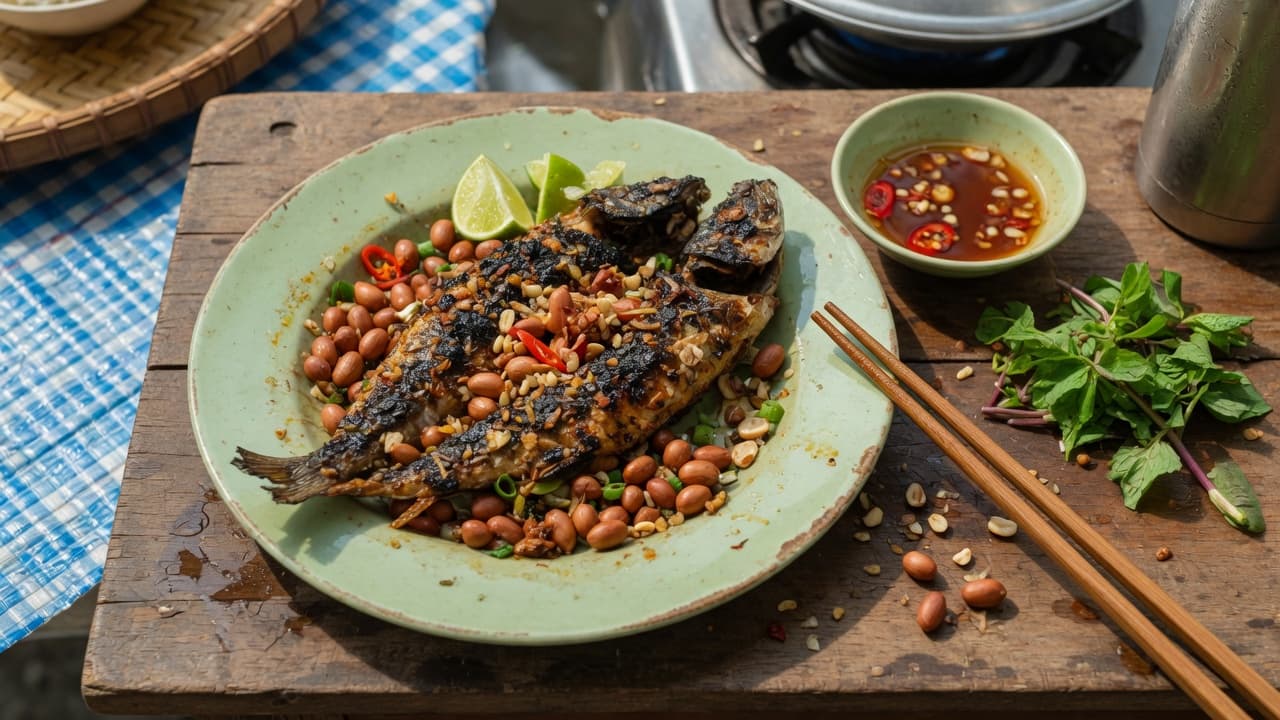
Clocking out a day shift at 10–11 p.m., hungry and tired, fried delivery is the trap. A night meal for day-shift workers should be ready in the fridge: protein + light carbs, little oil, sleep-friendly. Goal: full enough to sleep — not “make up for a day of fasting.”
Late eating context: does late-night eating make you gain fat. Three-meal base: three meals without snacking.
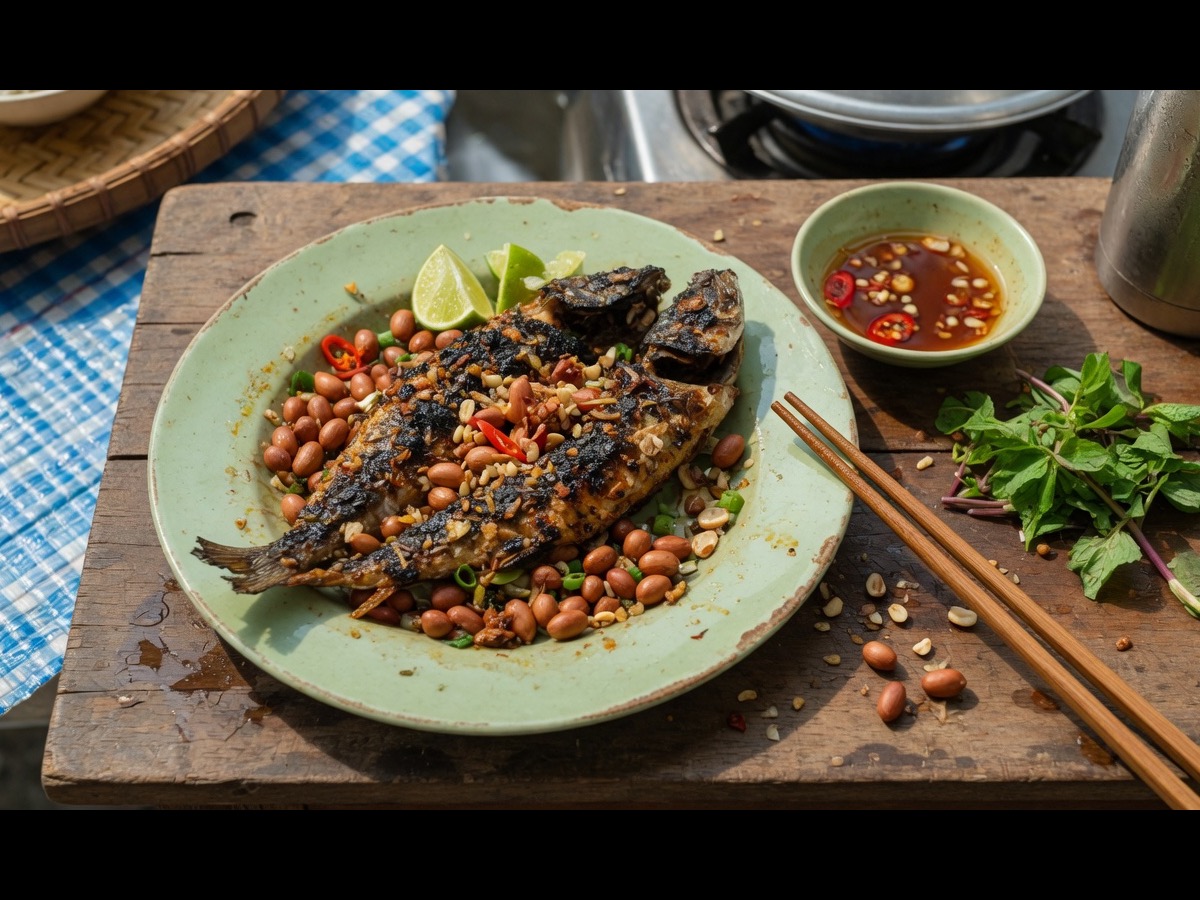
11 p.m. meal principles
- Protein first: eggs, yogurt, canned fish, lean cold cuts, tofu.
- Moderate carbs: bread, leftover rice, banana — helps sleep when glycogen ran empty all shift.
- Little frying, little dense sugar: avoid heavy chest and reflux when you lie down.
- Moderate portion: 70–80% full, not a midnight buffet.
Starving the whole shift then “earning” a wreck meal at 11 p.m. usually wrecks both calories and sleep. Eat lightly mid-shift if allowed.
Boxes to bring / keep ready
| Box | Contents | Note |
|---|---|---|
| Eggs + bread | 2 boiled eggs + 1–2 bread slices + cucumber | Prep 2–3 days ahead |
| Yogurt + fruit | Not-too-sweet yogurt + banana/apple | Fast, easy to digest |
| Cold rice + fish | Rice 120–150 g + braised/steamed fish + vegetables | 2-minute reheat |
| Cooked shake | Milk + banana + cooked blended egg | See homemade shake article; sip slowly |
- Before the shift: pack in an insulated bag or use a workplace fridge if available.
- Home: reheat if needed, dim bright screens, eat 20–30 minutes before lying down.
- Drink moderate water — do not force a liter right before sleep.
Mid-shift and caffeine
If rules allow, yogurt or a little egg bread mid-shift reduces night wrecking. Late coffee/tea makes sleep shallow — cut 6–8 hours before planned bedtime if you are sensitive. Poor next-day sleep drives sweet cravings and skipped training.
- Prefer protein on shift over oily instant noodles alone.
- Soft lighting; do not lie down immediately after an overfull meal.
- Streaks of night shifts: keep the same “main shift meal” frame instead of chaotic eating.
Night calories do not automatically become fat because of the clock; daily surplus matters. Still, fried food + soda at 11 p.m. both overshoots energy and worsens sleep — a double hit. A ready protein box is a practical barrier.
Sunday meal prep: boil 6–8 eggs, portion yogurt, cook one pot of porridge/rice. Remaining day shifts open a box instead of a delivery app. If family already cooked phở/rice, edit the portion: more vegetables and protein, less fatty broth, skip quẩy.
Success = you can sleep after eating and do not wake feeling leaden — not whether the night meal looks “Instagram clean.”
Day shifts and fat-loss / muscle-gain goals
Fat loss: keep the night box moderately filling, prioritize eggs–yogurt–vegetables, limit sugar tea and frying. Muscle gain or skinny hard-eaters: night is a chance to add 300–500 quality kcal (rice + meat/fish + milk) instead of missing intake all day. Either goal, simple 1-week log: arrival time, food, bedtime, next-morning feel — you will see which pattern fits your shift.
Coworkers pushing late restaurant runs? Pre-choose 1–2 stable dishes (porridge, low-oil phở, medium rice plate) and set sugary drinks to zero. Night-shift social pressure is strong; a ready-box plan only needs to win most days, not 100%.
FAQ
1. Should I fast until morning for fear of night eating?
If you are shaky-hungry with hours before sleep, eat a light portion. Fasting then insomnia or rebound eating is worse.
2. Is night rice hard to digest?
Moderate portions are usually fine. Heavy oil and lying down right after a full meal cause more trouble.
3. Do day-shift workers need whey?
Not required. Eggs, yogurt, fish, lean meat work if the day hits protein. Whey is only convenient when food is unavailable.
General shift-eating habits — not medical advice. Reflux, diabetes, or shift work with chronic conditions: adjust meal timing and medication with a doctor.