Three solid meals, no snacking — sounds clean and busy-person friendly. This model works when each meal has enough protein and volume; it fails when you skip breakfast on principle, rush a low-protein lunch, then “handle” a bag of chips at night. This article helps you know when to keep 3 meals and when a planned snack helps.
Full-plate deficit ideas: eat full while still in a deficit. Late cravings: does late-night eating make you gain fat.
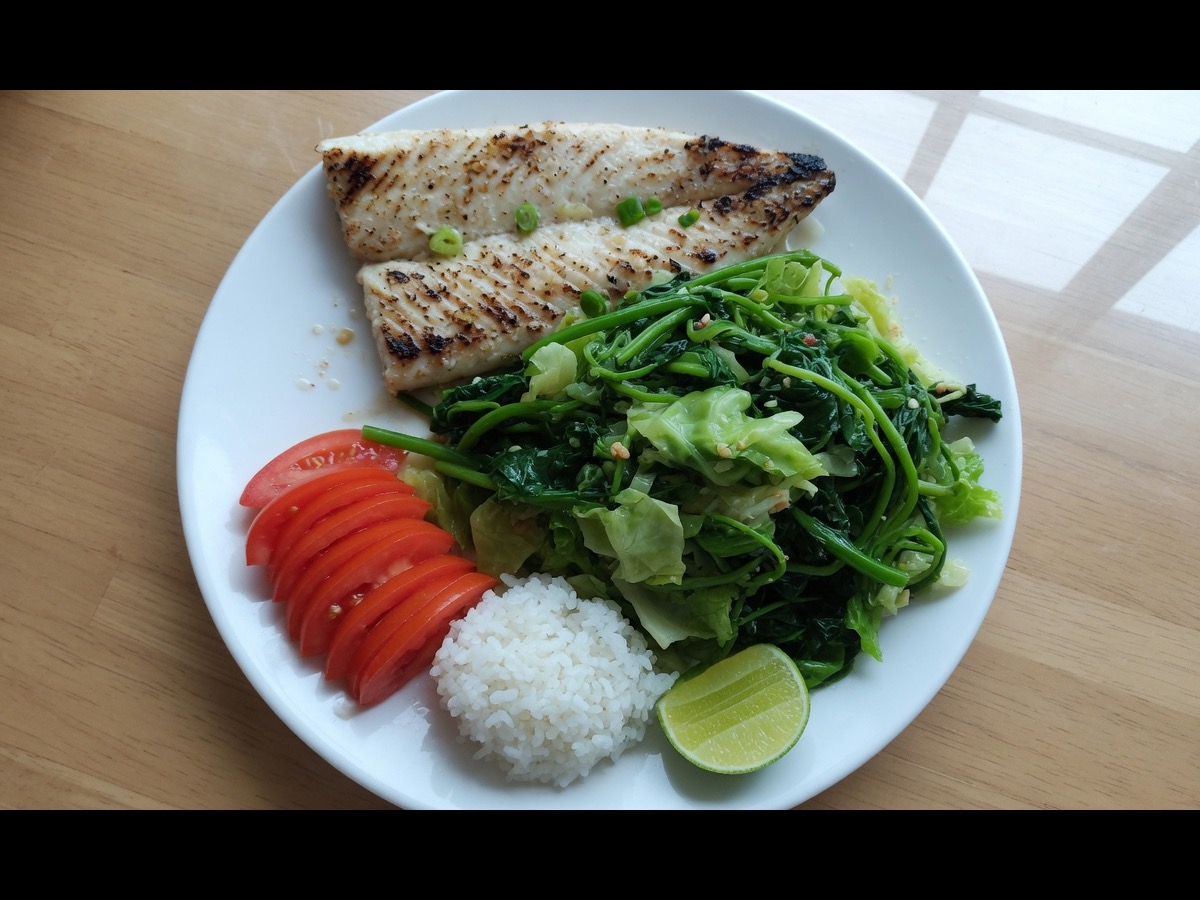
When three meals without snacking fits
- Your workday is stable enough for 15–25 minutes per meal.
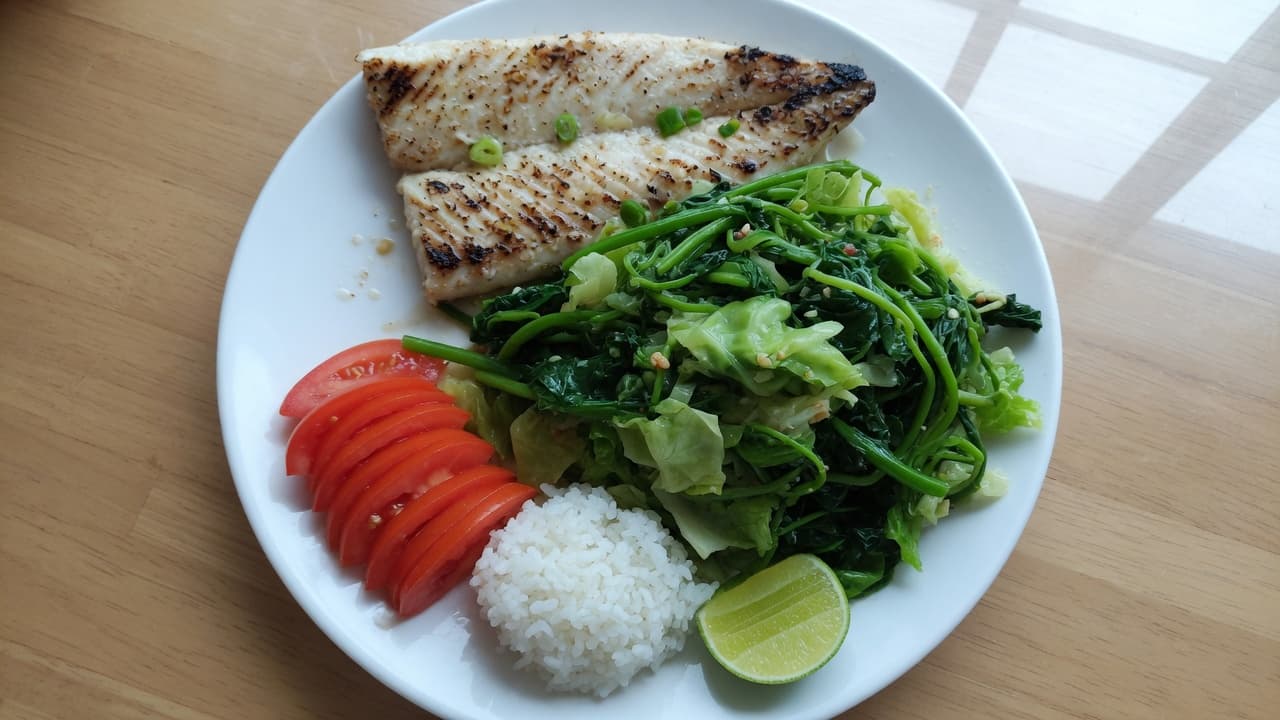
- Each meal has clear protein (eggs, meat, fish, tofu, yogurt) + vegetables/soup + moderate starch.
- Gaps between meals are not so long (over 5–6 hours) that you shake, get irritable, and dive into sweets.
- The goal is simplicity — you do not want to manage 6 mini-meals.
Many office workers stick better when they only decide 3 times a day. Fewer decisions = fewer chances to snack unconsciously at the keyboard.
Do not mandatory-skip breakfast. If you train early or are truly hungry, eat — do not turn 3 meals into ideology.
When this model fails
- Main meals too light on protein: only rice + stir-fried greens with little tofu/meat → hungry in 2 hours.
- Skip breakfast then black coffee: by 11 a.m. control is gone; lunch becomes a mental buffet.
- Late return home: meal 3 lands too close to bed or gets skipped → bed snacking.
- Stress and poor sleep: the brain wants crunchy–sweet even when “paper calories” look fine.
Design 3 meals so you do not need snacks
Protein each meal (practical anchor)
Aim for about a palm of lean protein or 2–3 eggs / a block of tofu / a tub of Greek-style yogurt per meal — depending on body weight and goals. Vietnamese sources: protein from Vietnamese food.
Sample office day
| Meal | Idea | Avoid |
|---|---|---|
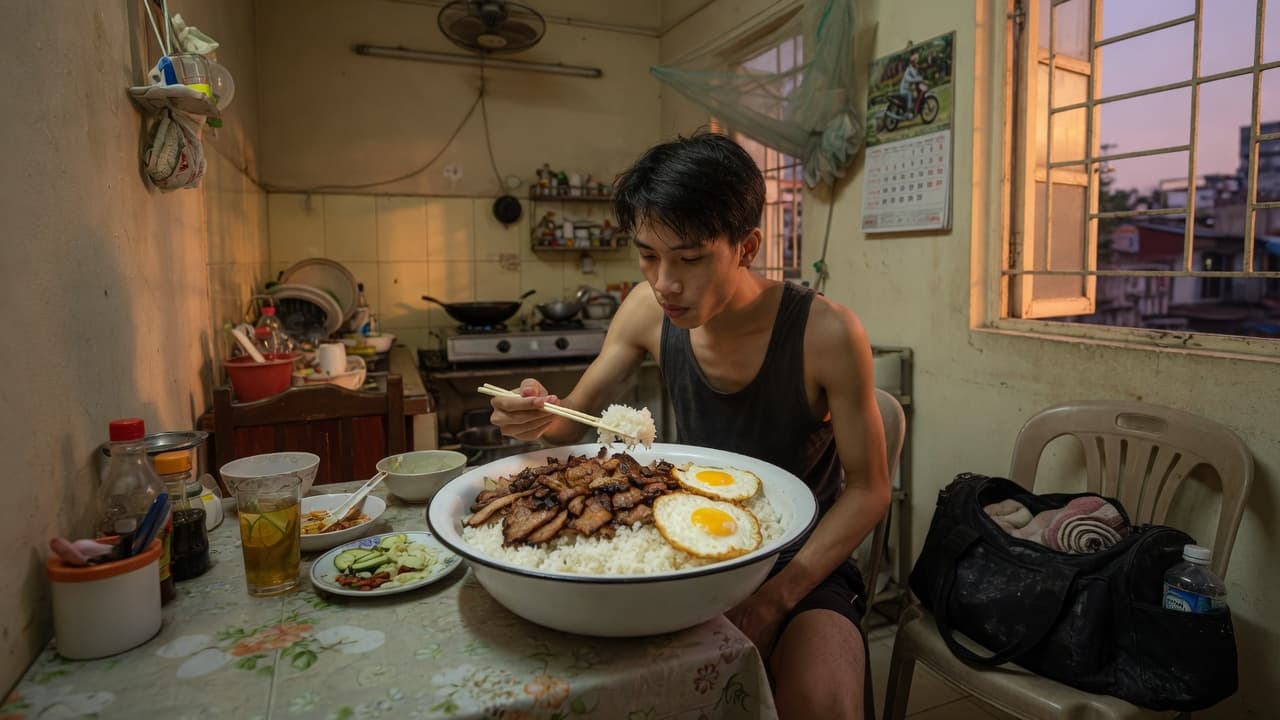
| Breakfast | Eggs + bread/cereal or low-oil fried rice + vegetables | Only iced tea + pastry |
| Lunch | Moderate rice + meat/fish + soup + plenty of vegetables | Only thin phở, no vegetables |
| Dinner | Similar to lunch or rice noodles + protein; less oil if less active | Drinking + fried food then skipping a real meal |
Night cravings and “reactive snacking”
True hunger differs from boredom. If 3–4 hours after dinner your stomach is empty and you under-ate protein all day — that is a weak main-meal signal, not a “willpower shortage.” Fix by raising protein/vegetables at dinner, or add one planned snack (yogurt, fruit + a few nuts) instead of an absolute ban that breaks.
- Keep water and unsweetened tea during work.
- Do not keep candy at the keyboard; if you like sweet, attach it after a main meal.
- Heavy training days can add a banana or milk after — fuel, not a “rule break.”
Three meals is a tool, not food morality. People training twice a day, night-shift workers, or pregnant women often need more flexibility. Measure success by energy, multi-week adherence, and progress — not whether you touched cashews at 4 p.m.
Week one, photo-log the 3 meals. If you feel reasonably full before snack time, keep the rhythm. If you are always hungry and irritable, raise soup–vegetable volume and protein before declaring “3 meals don’t suit me.”
FAQ
1. Does skipping breakfast speed fat loss?
No magic edge. Weekly calories and protein matter more. Many people skip breakfast then overeat at night.
2. Can I have one snack if meetings run long?
Yes. Choose yogurt, fruit, or a little lean cold cuts–thin bread. Goal: arrive at the next meal without losing control.
3. Are three meals enough for muscle gain?
Yes if each meal is high-protein and calories are enough. If huge plates are hard, 4 meals are easier than forcing 3 giant ones.
General eating-habit guidance, not clinical nutrition advice. Diabetes, eating disorders, or GI disease need personalized plans.