“Eating after 9 p.m. makes you fat” is a familiar line, but the body does not run a rigid calorie penalty clock. Fat gain or loss depends mainly on long-term energy balance and diet quality, plus sleep and activity. That said, late eating can still raise fat indirectly if it pushes you over need, wrecks sleep, or means all fried–sweet food.
To feel fuller by day and crave less at night, use eating full while still in a deficit. On the recovery side, see sleep and muscle recovery.
Energy balance matters more than the clock
If daytime intake is below expenditure, a moderate night snack can still sit inside a deficit. Conversely, “clean” eating until 6 p.m. then demolishing a bag of chips + soda at 10:30 still creates a surplus. Research and coaching practice both point to energy balance: intake minus expenditure over time.
- The clock mainly matters through habits and hunger/fullness hormones tied to sleep.
- Eating very full right before bed can hurt sleep, trigger reflux, or leave you heavy in the morning.
- Short sleep raises sweet–salty cravings the next day — a loop that breaks plans easily.
The hour itself is not “toxic”; the danger is stacked portions plus cut sleep.
Why cravings after 9 p.m. show up so often
- Daytime protein/carbs were low: at night the brain wants a fast, convenient fix.
- Stress and phone-in-bed: emotional eating, not physiological hunger.
- Movie–snack pairing: a living-room version of Pavlov.
- Late bedtime: a longer awake window → an extra unnamed “meal.”
How to handle cravings after 9 p.m.
Step 1: Separate hunger from craving
Ask: “Did I eat enough at main meals? Have I had water?” If dinner was filling and you still want crunchy-sweet food, it is likely habit craving. Wait 10 minutes, brush your teeth, or make unsweetened tea.
Step 2: If truly hungry — choose protein/fiber snacks
| Night snack | Suggested portion | Estimate |
|---|---|---|
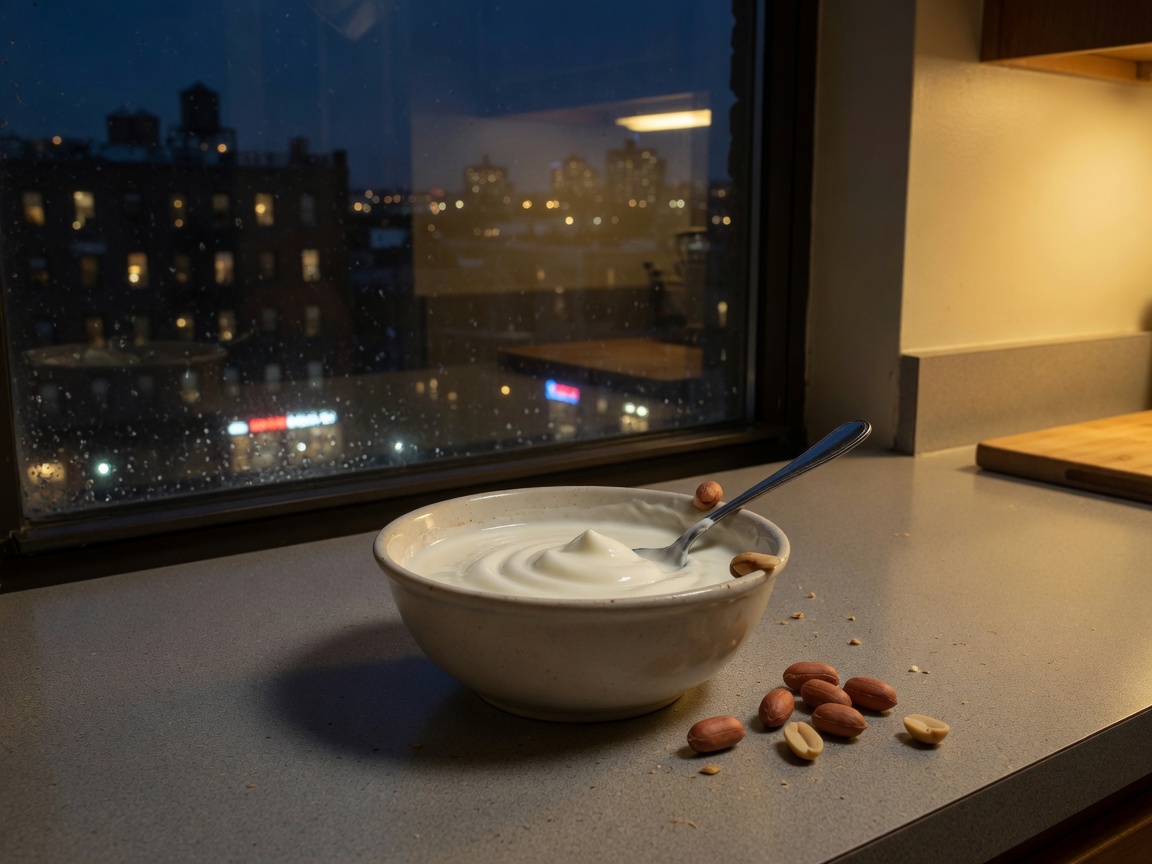
| Plain yogurt | 150–200 g | ~80–150 kcal · decent protein |
| Boiled eggs | 1–2 | ~70–160 kcal |
| Milk | 200 ml | ~100–130 kcal |
| Apple / guava / cucumber | 1 portion | ~40–100 kcal |
| Unsalted roasted peanuts | 10–15 g | ~60–90 kcal (do not eat a huge handful) |
Do not turn the snack into a second dinner of stir-fried noodles, fried chicken, or bubble tea with all the toppings — unless it is already in the day’s total and you accept the trade-off.
Step 3: Guard the day’s calorie frame
If you know nights run hungry, leave ~150–250 kcal from the afternoon, or eat dinner a bit later (e.g. 7:30–8:00 p.m.) with enough protein. Daytime volume eating (soup, vegetables) lowers the odds of a fridge raid.
Step 4: Protect sleep
- Limit caffeine after 2–3 p.m. if you are sensitive.
- Dim bright screens 30–60 minutes before bed when you can.
- Dark room, steady bedtime — better recovery helps control next-day appetite.
When to seek care / special notes
Fierce night hunger with unexplained weight swings, lasting insomnia, or restrict–binge loops may involve medical issues or an eating disorder — do not just “discipline” forever. People with diabetes need a personal blood-sugar plan with their doctor for night eating.
Design evenings so plans break less often
Make dinner protein-adequate (fish, chicken, eggs, tofu) and add vegetables/soup. If you often watch shows, pre-stage cucumber, cherry tomatoes, or unsweetened tea on the table — replace the “open fridge for chips” move. Brushing teeth after dinner is an end-of-eating signal for many people.
On high-stress days, schedule a deliberate protein snack at 8:30 p.m. instead of waiting for out-of-control hunger at 11. A pre-counted yogurt or boiled egg is usually “cheaper” in calories than a late delivery round.
Remember: the goal is not proving you never eat after 9 p.m. The goal is that most weeks total energy matches your fat-loss or maintenance target, while you sleep enough for hunger–fullness hormones to work. Planned flexibility beats absolute bans.
FAQ
1. Is rice at 9 p.m. fatter than rice at 6 p.m.?
If the day’s total is the same, the difference is usually small. People with reflux or poor sleep after late meals may eat earlier for health and adherence — not because calories “punish the hour.”
2. Does banning night food speed fat loss?
Only if it helps you lower total calories and sleep well. Fast then rebound with morning pastries or all-day snacking has no magic edge.
3. Gym at night then starving when I get home?
A moderate protein + carb portion is reasonable (yogurt, eggs, egg on bread, a small rice ball). That is recovery, not “breaking the diet,” if it is already in the day.
This article is general information on eating and sleep habits, not a substitute for a doctor or dietitian. Be careful with diabetes, pregnancy, eating disorders, or treatment for sleep/metabolic conditions.