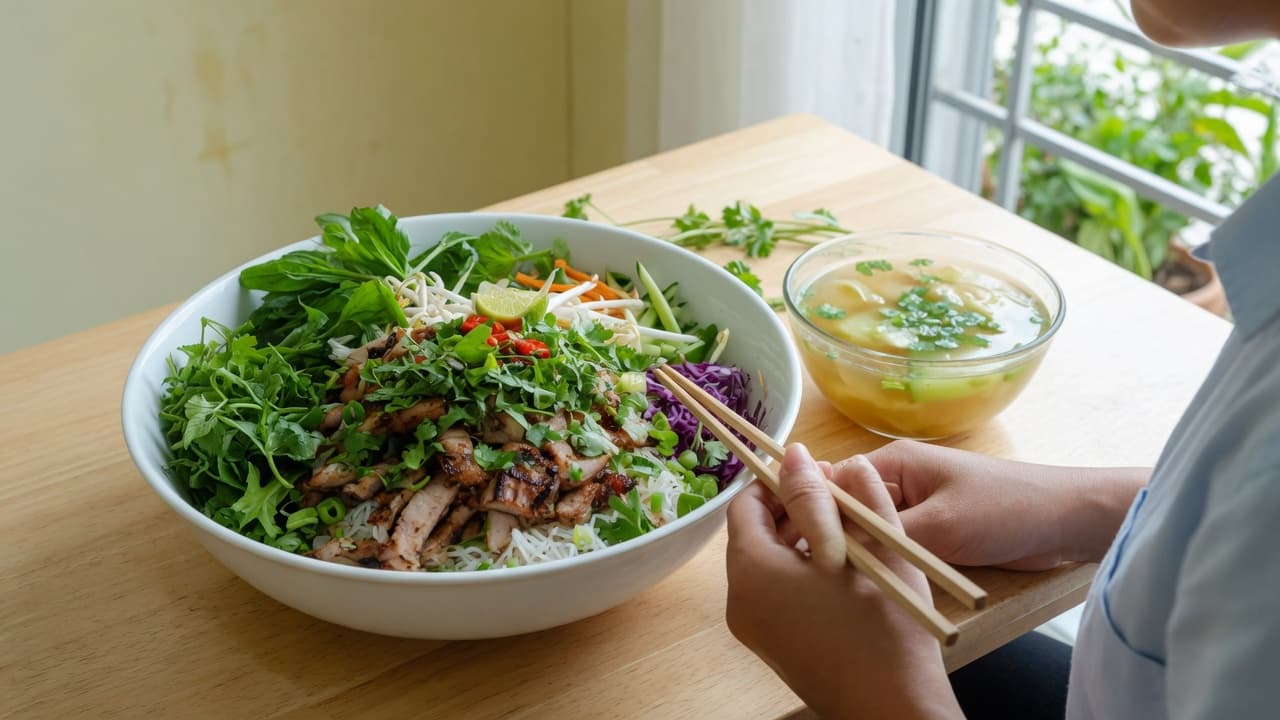
Volume eating Vietnamese-style is not oil-free salad all day. It means choosing high-volume foods — canh (soup), boiled vegetables, nộm (Vietnamese salad), bún (rice noodles) with lots of raw herbs — so the stomach feels full while total calories stay below need, creating a sustainable deficit. You still eat “home meals”; you only change ratios and cooking methods.
Apply it right away to the sample week in the 7-day filling fat-loss menu. If cravings hit after 9 p.m., also read does late-night eating make you gain fat?.
Why you can feel full and still be in a deficit
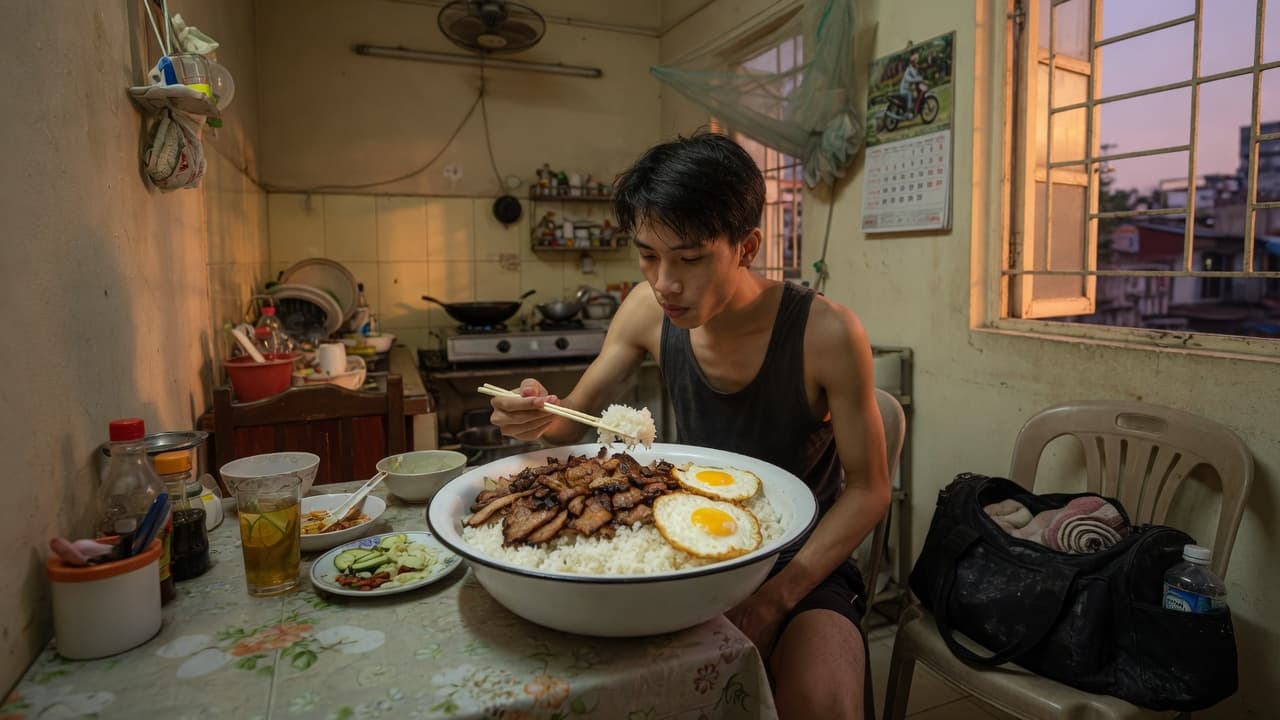
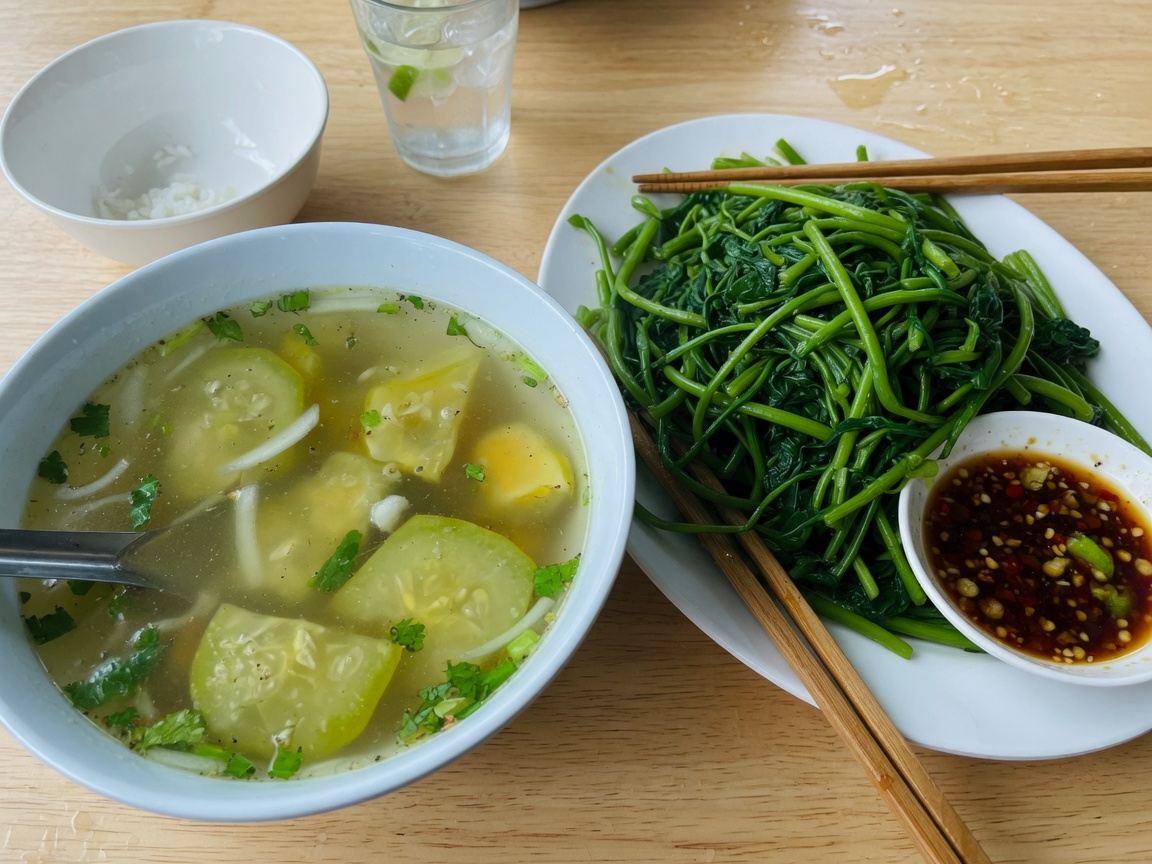
Fullness depends a lot on food volume, protein, fiber, and water, not only on kcal. A bowl of canh bầu (gourd soup) + 200 g boiled greens + 120 g cơm (steamed rice) + 120 g fish can fill you as much as (or more than) a plate of cơm tấm with burnt pork chop plus soda — with a huge energy gap.
- Vegetables and soup: low kcal, lots of water.
- Lean protein: lasting fullness, protects muscle in a deficit.
- Enough rice/noodles: satisfies Vietnamese starch habits.
- Limit frying oil and sugary drinks: where calories “leak” fastest.
The deficit comes from the weekly average — not one “clean” meal then unlimited barbecue the next night.
Vietnamese volume-eating toolkit
1. Soup is an ally
Canh chua cá (sweet-sour fish soup), canh bí (squash soup), canh rau ngót (sweet-leaf soup), mushroom soup… starting the meal helps you eat slower. Season salt moderately; limit sugar and floating oil. One bowl often runs only ~40–80 kcal if there is little fatty meat.
2. Boil / steam vegetables before stir-frying
Rau muống (water spinach), cabbage, gourd, squash, green beans — boiled with raw dipping sauce or a little kho quẹt (savory caramelized sauce). If stir-frying, use 5–8 ml oil per portion instead of pouring half a ladle. Estimate: 200 g boiled greens ~50–70 kcal; the same amount with lots of oil can double or triple.
3. Homestyle nộm and salad
Nộm đu đủ (green papaya salad), vegetable nộm, cucumber–tomato salad with lime–garlic–chili–a little fish sauce. Avoid heavy mayonnaise or thick sweet sauces. Nộm gives crunch and the feel of “eating a lot.”
4. Bún, phở, miến — adjust the right levers
You do not have to quit them. Ask for more vegetables, enough lean meat, less noodles, and sip a clear broth. Skip blood pudding, limit fried dough sticks, and do not finish a fatty broth if you are cutting hard. A well-edited bowl can land ~450–600 kcal (estimate) instead of 800–1,000.
Swap fry for grill / steam / pan-sear
| Instead of | Swap to | Tip |
|---|---|---|
| Crispy fried chicken | Steamed / grilled / pan-seared chicken | Remove skin on braises or ready-fried pieces |
| Lots of fried spring rolls | A little chả lụa (pork roll) / steamed shrimp | Keep 1 roll if you love the taste — not a full plate |
| Yangzhou fried rice | White rice + fried egg + vegetables | Oil is easier to control |
| French fries | Boiled / baked sweet potato | More filling, less oil |
| Vegetables “shiny with oil” | Boiled or quick stir-fry with little oil | Season with pepper, garlic, chili for aroma |
Sample deficit plate that still looks full
- ½ bowl vegetables + soup
- 1 palm-size protein portion (fish, chicken, tofu, eggs)
- Rice or noodles about a fist (fat loss) or a bit more (maintenance)
- Bold seasoning with little sugar
On training days, keep the vegetables–soup, and maybe add a little rice or fruit after training instead of fried food.
Traps that create “fake fullness” then break the deficit
- Zero-sugar soda can help some people, but salty–sweet snacks are still calorie-dense.
- Nuts are nutritious but 30–40 g peanuts/cashews already ~180–240 kcal — do not eat them “mindlessly” during a movie.
- Sugar-heavy dipping sauces, sweet dark soy, mayo: taste first, dip the tip of the chopsticks.
- Skip breakfast then hit a dinner buffet: evening volume easily exceeds the whole day.
Sample “full plate” day ~1,700–1,900 kcal
Breakfast: 2 boiled eggs + tomato + cucumber, unsweetened tea. Lunch: rice 140 g, braised fish 120 g, lots of boiled rau muống, canh bầu. Afternoon: yogurt or an apple. Dinner: rice 120 g, shredded chicken breast, nộm đu đủ, vegetable soup. Large volume, steady energy from rice and protein, oil and sugar kept low.
On weekend restaurant meals, use the same logic: order extra vegetables, ask for less oil, share fried dishes, drink water. Volume eating is a skill you take to restaurants, not only at home.
After 2–3 weeks you will notice fullness from a familiar plate of vegetables–soup more than the “heavy” feeling after fried food. That is when a deficit becomes livable — not the starve-then-blow-up pattern.
FAQ
1. Eating tons of vegetables — will I lack energy to train?
If hard sessions leave you wiped, raise rice/potato and protein — do not pour on more frying oil. Volume eating still needs enough carbs around training.
2. Does soup fill me then leave me hungry fast?
Soup is short-term fullness; pair it with protein and denser vegetables. Drinking water/soup 5–10 minutes before the meal often slows eating.
3. Should I count every gram of calories?
Not required. Weigh a few early days to learn portions, then use a plate rule + photo log. If weight does not drop after 2–3 weeks, trim rice or oil slightly — do not cut vegetables to zero.
This article is general eating guidance, not a substitute for a doctor or dietitian. People with diabetes, pregnancy, eating disorders, or GI disease need a personalized menu.