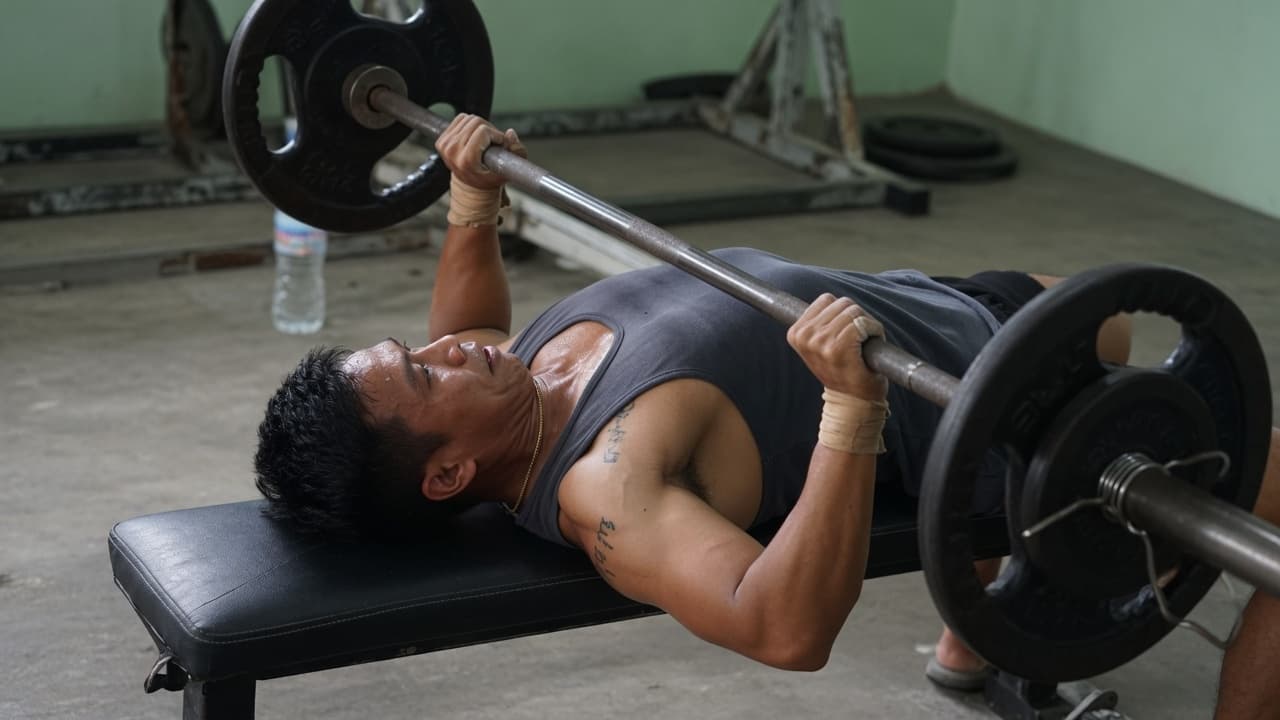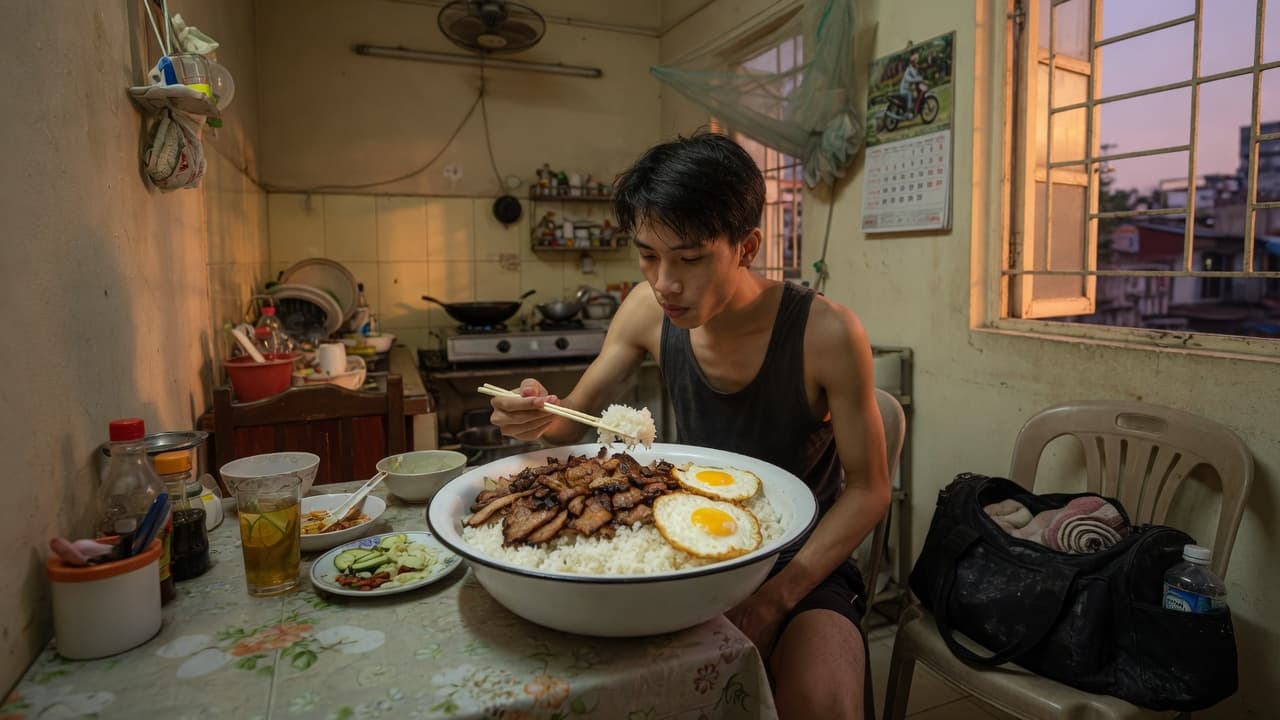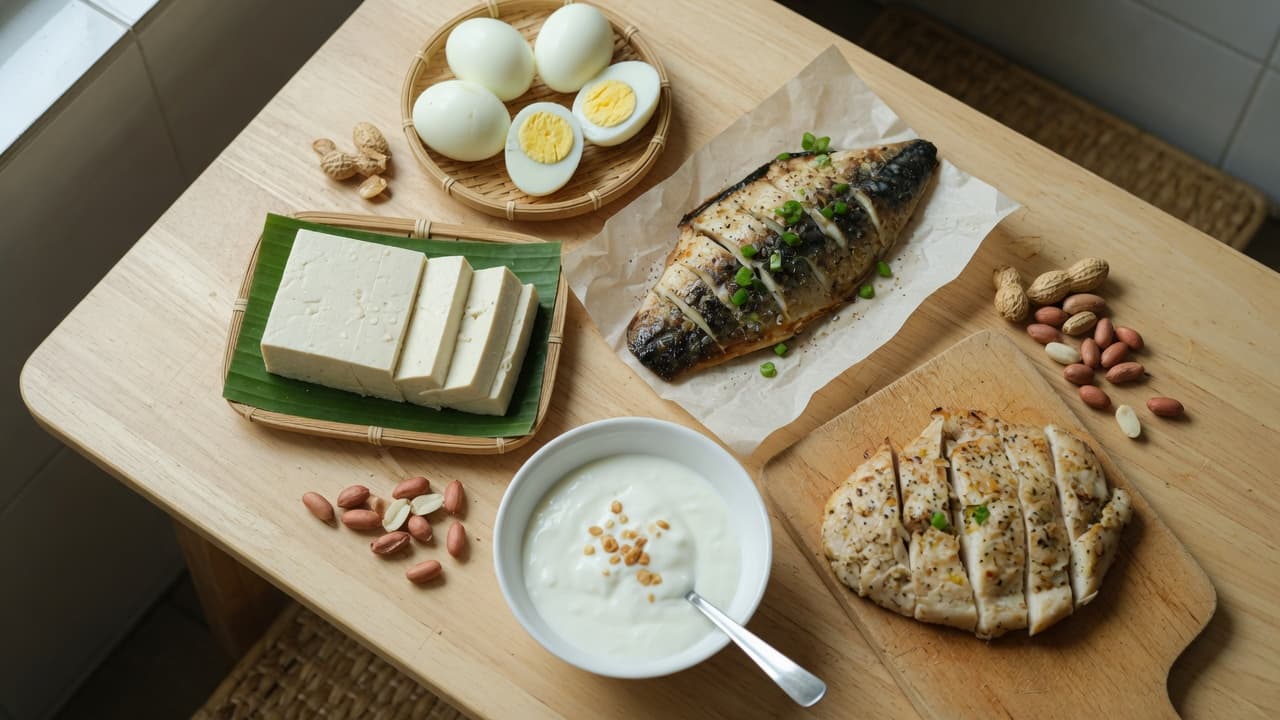
You do not have to drink whey to hit your protein target. With familiar Vietnamese portions — eggs, fish, chicken, lean meat, đậu hũ (tofu), yogurt, peanuts — you can reach about 1.6 g protein/kg body weight/day if meals are planned on purpose. Whey is only convenient when you are busy or short; this article helps you lean on food first.
Apply it to a surplus week via the 7-day Vietnamese surplus menu, or the lacto-ovo/vegetarian version in vegetarian muscle-building menu.
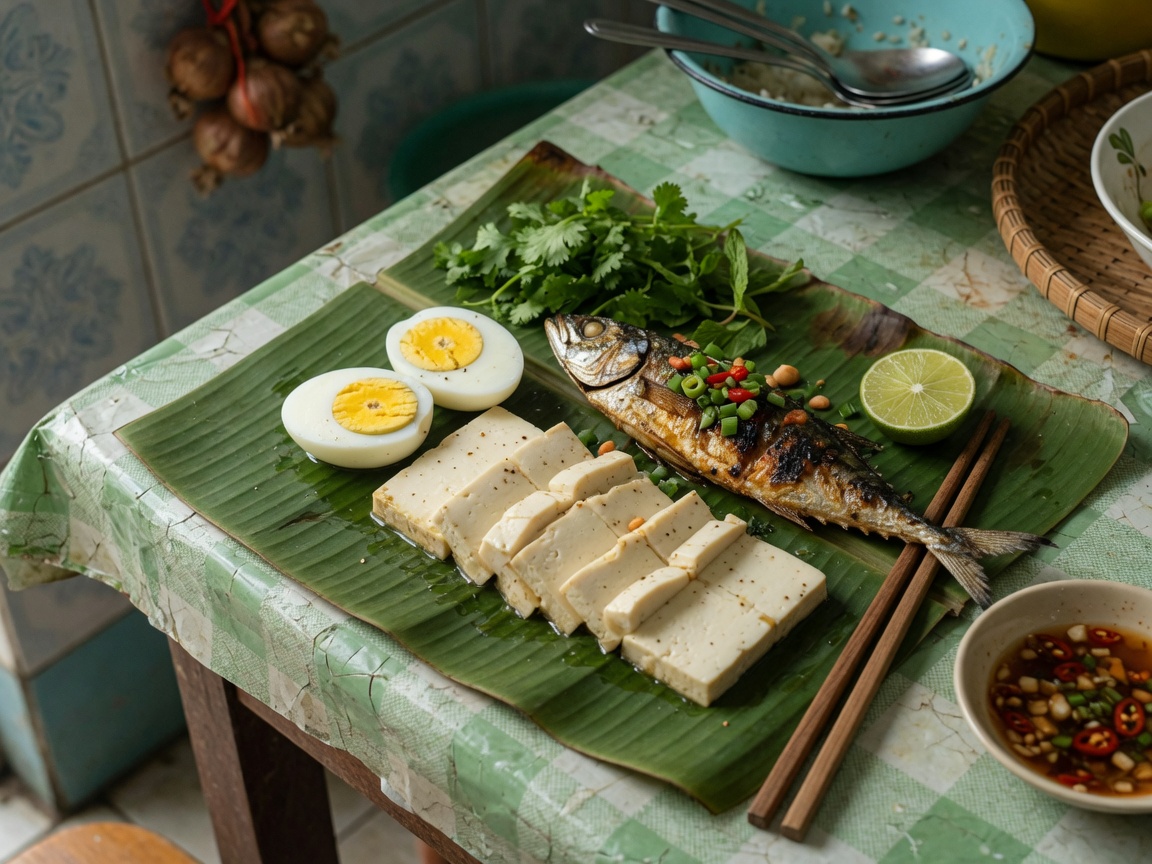
Why 1.6 g/kg is usually enough
For people who lift regularly, about 1.6–2.2 g/kg is the range research often cites for keeping/building muscle. Use 1.6 g/kg as a practical anchor: reachable with food, less pressure to “force powder.” People in a deep cut or very lean lifters chasing faster muscle gain can push toward 2.0 g/kg.
- 60 kg × 1.6 ≈ 96 g protein/day.
- 75 kg × 1.6 ≈ 120 g protein/day.
Spreading protein across 3–4 meals is usually easier to digest and more filling than dumping all the meat into one dinner.
Estimated protein table for Vietnamese portions
| Food | Typical portion | Protein (estimate) |
|---|---|---|
| Chicken eggs | 2 eggs (~100 g) | ~12–13 g |
| Chicken breast (edible) | 120 g | ~30–35 g |
| Lean pork | 100 g | ~20–22 g |
| Basa / mackerel | 140 g | ~25–30 g |
| Shrimp | 100 g | ~20–24 g |
| Firm tofu | 150 g | ~12–18 g |
| Plain yogurt | 150 g | ~5–8 g (varies) |
| Fresh milk | 250 ml | ~8 g |
| Roasted peanuts | 30 g | ~7–8 g |
| Cheese slice | 1 slice ~20 g | ~4–5 g |
| Cooked mung beans | 100 g | ~7–8 g |
| White rice | 200 g cooked | ~4–5 g |
Numbers are average estimates; bones, skin, and how dry the tofu is will shift results. Weigh a few times early to get a feel for portions.
Sample day for 60 kg (~96 g)
- Breakfast: 2 eggs + 1 bread slice + yogurt 150 g → ~20–22 g
- Lunch: cơm (steamed rice) + chicken breast 120 g + vegetables → ~35 g
- Snack: yogurt or 250 ml milk + a few peanuts → ~10–12 g
- Dinner: rice + fish 140 g or tofu 150 g + egg → ~30–35 g
Total easily lands ~95–105 g with no shake.
Sample day for 75 kg (~120 g)
- Breakfast: 3 scrambled eggs + yogurt 200 g → ~28–30 g
- Lunch: rice + lean pork 120 g or chicken 140 g → ~30–38 g
- Post-workout snack: milk 250 ml + banana + 20 g peanut butter (protein mostly from milk/peanuts) → ~12–15 g; or add a boiled egg
- Dinner: fish 150 g + tofu 100 g + rice → ~40–45 g
If that day is short ~20 g, one scoop of generic whey is enough — not a daily pillar.
Vietnamese-style protein tips
- At every main meal ask: “Where is the protein piece?” — egg, fish, chicken, tofu, shrimp…
- Sweet bone broth alone does not replace meat; ladle extra meat/fish into the bowl.
- Tofu + egg or tofu + yogurt in the same day helps lighter meat eaters.
- With phở/bún, ask for more meat and vegetables; reduce noodles if you are cutting calories.
Spread across the day instead of dumping at night
Many Vietnamese eaters have a light breakfast (coffee only), an office lunch with little meat, then “catch up” with a huge dinner plate. That can still hit calories but makes steady protein and night hunger harder. Aim for at least ~20–40 g protein (estimate) every 3–5 hour window: eggs at breakfast, meat/fish at lunch, yogurt or egg as a snack, fish/tofu at dinner.
On travel or restaurant days, prioritize dishes with a clear protein name (braised chicken, braised fish, sauced tofu, eggs) instead of only extra stir-fried greens and rice. Vegetables still matter for fullness and micronutrients, but they do not take protein’s place.
Where does whey fit?
Generic whey (no specific brand) helps when: the next meal is too far after training, you are traveling, or the day ends 20–25 g short. One scoop in milk or water does not turn your diet into a “powder diet.” The goal is still market–kitchen habits first; powder only patches gaps.
If you tolerate lactose poorly, lean on eggs, fish, chicken, tofu, and lactose-free yogurt if needed — rather than forcing lots of fresh milk.
FAQ
1. Can vegetarians hit 1.6 g/kg?
Lacto-ovo (eggs, dairy) is usually workable. Strict vegan is harder and needs tofu, peas, tempeh (if available), and combined grains; plant protein powder can fill gaps.
2. Does high protein harm the kidneys?
Healthy people usually tolerate normal training ranges well. If you already have kidney disease or medical advice to limit protein, follow your doctor — do not self-escalate.
3. Do I need red meat every day?
No. Rotating fish, chicken, eggs, and tofu is fine. Red meat a few meals a week if you like it; choose lean cuts and braise/boil/grill.
This is general nutrition education, not a diagnosis or therapeutic meal plan from a doctor/dietitian. Be especially careful with diabetes, pregnancy, eating disorders, or kidney disease.