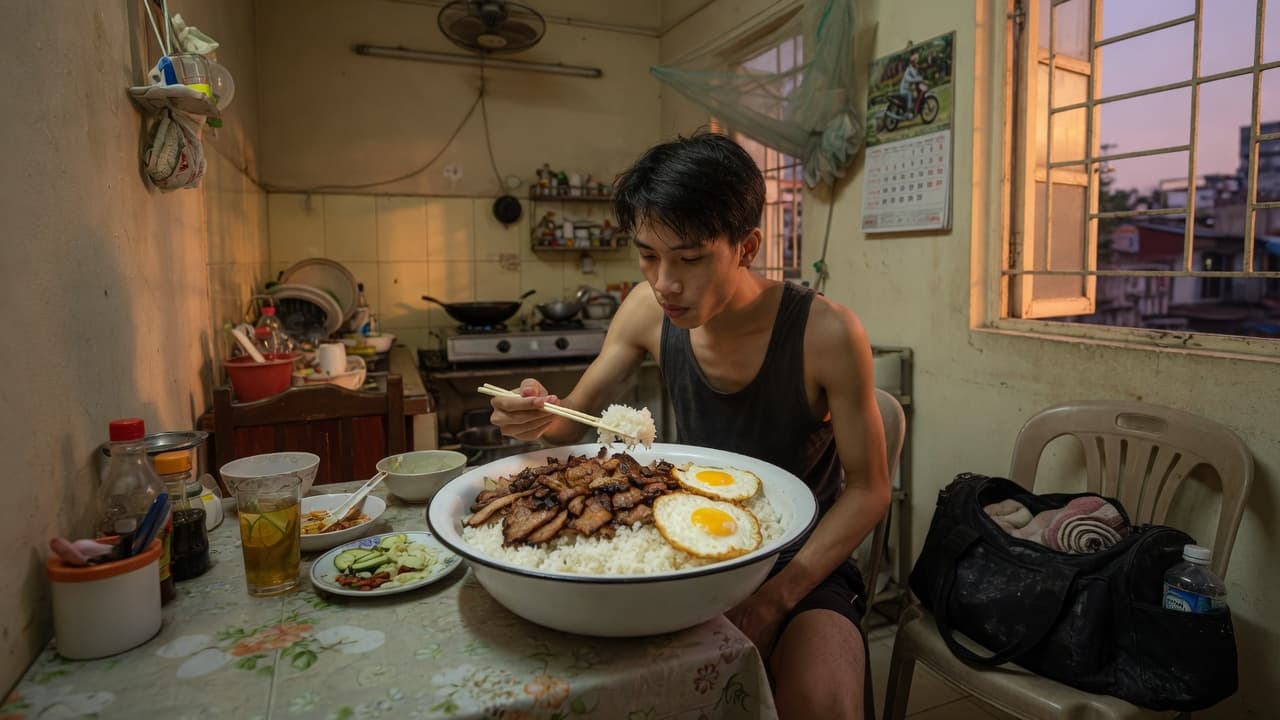
Fully plant-based eating can still lose fat if you keep a mild deficit, raise vegetable–mushroom–soup volume, get enough protein from tofu/legumes, and control stir-fry oil. The common mistake is dropping meat then replacing it with deep-fried “chay,” soft drinks, and unlimited rice — calories do not fall automatically because food is vegetarian.
See more volume thinking in eat full while still in a deficit and a lacto-ovo/plant muscle-gain frame if you are not cutting yet in vegetarian muscle-gain menu.

Pillars of fat loss on a fully plant diet
- Protein each meal: firm tofu, peas, mung beans, tempeh (if available), mushrooms in combination.
- Volume: boiled greens, soup, lightly sweetened sour salads.
- Carbs do not vanish: moderate rice/potato/noodles — do not cut all starch then crash and quit.
- Oil: measure spoons; oily vegetarian stir-fries still surplus calories.
- B12: natural sources are weak on long vegan diets — consider fortified foods or supplements with professional guidance.
Vegetarian ≠ automatic deficit. Roasted peanuts and sesame oil are still dense energy.
5-day suggestion table (mild cut estimate)
| Day | Protein pillar | Plate tip |
|---|---|---|
| 1 | Tofu in tomato sauce | Moderate rice, boiled water spinach, squash soup |
| 2 | Braised tofu + mushrooms | Rice, lightly oiled cabbage, vegetable soup |
| 3 | Mung beans/peas | Rice or sweet potato, salad, vegetarian sour soup |
| 4 | Pan-seared tofu | Noodles with lots of herbs, clear broth |
| 5 | Mushrooms + tofu | Rice, steamed vegetables, dilute vegetarian dipping sauce/soy |
Loop the days, rotate lemongrass–chili–pepper so it does not get boring. Training days, keep or slightly raise rice.
Realistic protein and calorie estimates
150 g tofu covers roughly mid-meal protein; you often need mushrooms, legumes, or a larger tofu portion to approach ~1.6 g/kg if you lift. Watch energy 2–3 weeks: if fatigued and strength drops, raise carbs — do not only add oil.
- Stir-fry: 5–8 ml oil/portion instead of a “wet pan.”
- Deep-fried vegetarian items: park them in the weekend 80/20 budget.
- Soy sauce/sweet bean paste: taste first, limit sugar.
- Nuts: measure 15–20 g if cutting hard.
Micronutrients to remember
- B12: important for long-term vegan diets.
- Iron, zinc, calcium: diversify legumes–greens–sesame/tofu; strong tea right after meals can hinder iron — space it if you are low.
- Omega-3: discuss suitable sources (ground flax, chia…) with a professional if needed.
Periodic labs on long vegan diets are wiser than guessing online.
Mistakes that slow fat loss
Eating “restaurant vegetarian” that is all crispy pancakes, fried spring rolls, fried rice. Drinking soft drinks because “no meat anyway.” Cutting starch all day then eating vegetarian sweets at night. Ignoring oil in tomato sauces and dark pastes.
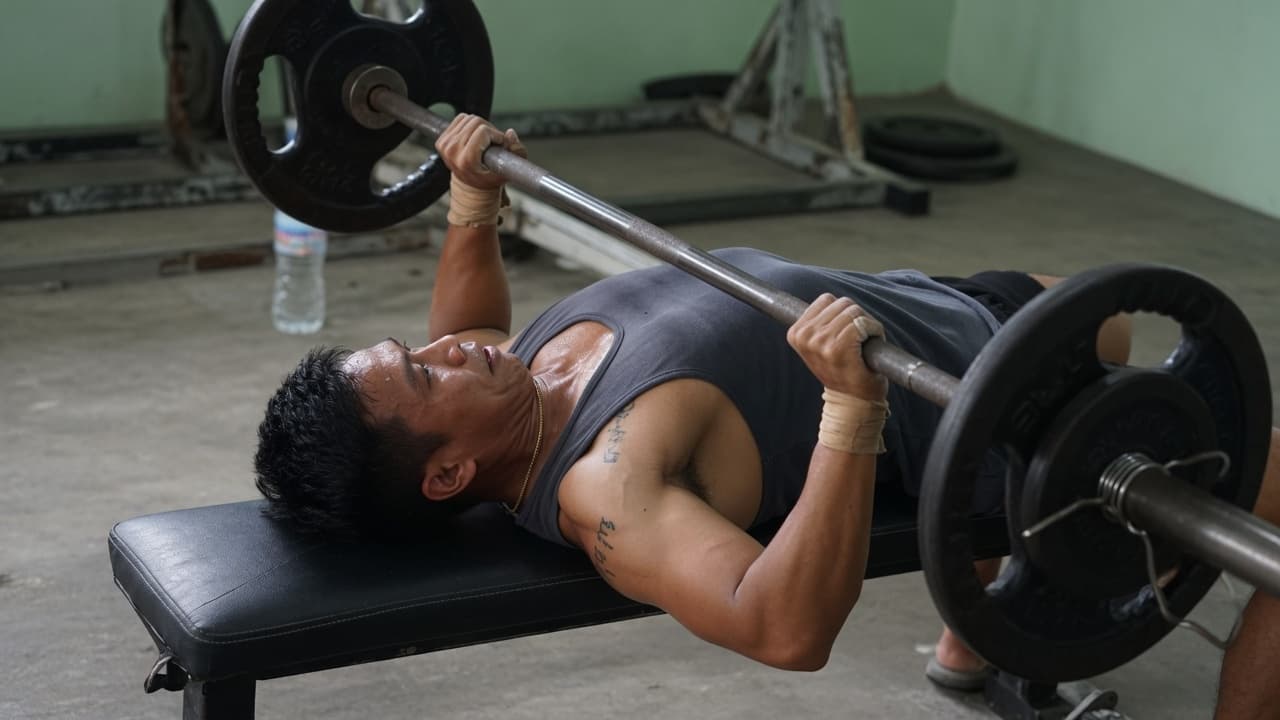
Fully plant fat loss lasts when home plates dominate: controlled tofu–vegetables–rice, enough sleep, walking, and resistance training 2–4×/week.
One midweek market trip prevents an empty fridge that leads to fried vegetarian takeout. Short list: tofu, mushrooms, seasonal greens, tomatoes for sauce, rice, and one dry or frozen legume. Weekend-braise a big tofu pot; weekdays only cook rice and vegetables.
At vegetarian parties, use the same 80/20 logic: pick tofu–vegetable dishes first, limit fried rolls and sweets, drink water. One flexible meal does not wreck a month if other days keep oil and sugar low. Log training energy — if squats/deadlifts fade from too little rice, raise training-day starch before pouring more oil “for enough calories.”
FAQ
1. Do I need plant protein powder?
Not required if tofu and portions are well arranged. Useful when busy or protein targets are high and more tofu is hard to eat.
2. Must white rice go?
No. Reduce the portion or alternate sweet potato/brown rice if you like; cutting soft drinks and oil usually beats cutting all rice.
3. Does fully plant eating lose muscle?
Muscle loss mainly comes from low protein + deep deficits + no lifting. Keep protein, lift, use a moderate deficit.
General eating-pattern guidance — not medical advice. People with anemia, thyroid disease, pregnancy, eating disorders, or on supplements/medications need personalization — especially for B12 and iron.