After illness (flu-like colds, sore throat, mild GI upset…), the body needs recovery before a hard deficit returns. The first seven days prioritize easy-to-digest protein — porridge, eggs, yogurt, soft rice — enough fluids, and very light movement. Jumping into a deficit while still wiped out often prolongs fatigue and muscle loss.
Once eating is stable again, reconnect to a fat-loss frame like eat full while still in a deficit or light meal prep.
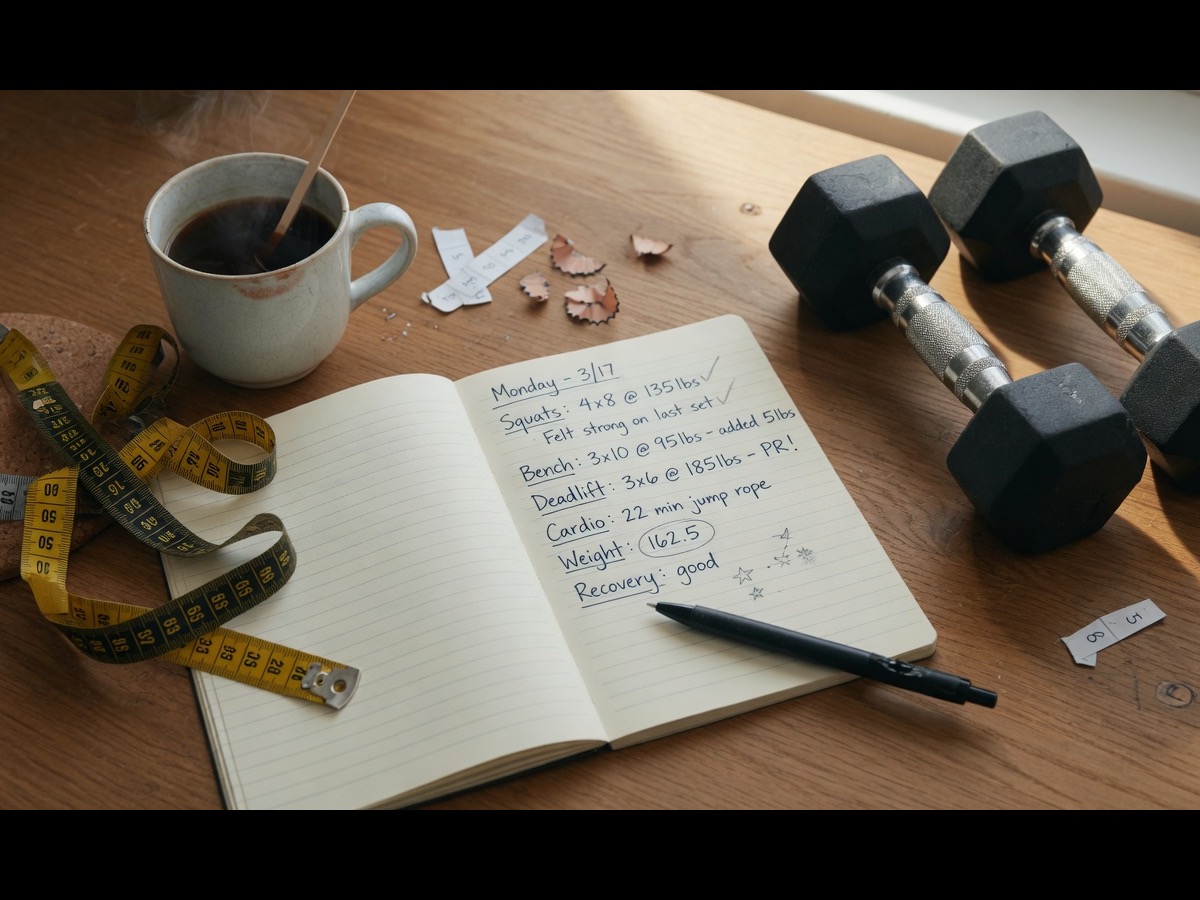
Principles for the first 7 days
- Eat when hungry; split meals if the stomach is weak — do not force one giant “catch-up” plate.
- Prioritize soft protein: eggs, steamed fish, soft tofu, yogurt, well-cooked minced meat.
- Easy carbs: porridge, soft rice, bread, mashed potato.
- Cooked vegetables first; soft fruit (banana, papaya) if tolerated.
- Oil, fried food, sugary drinks, alcohol: wait until you are stable.
This week’s goal: restore energy and keep muscle — not a pretty number on an app.
Days 1–3 ideas
- Breakfast: egg porridge or mild minced-meat porridge.
- Lunch: soft rice + steamed fish/tofu + vegetable soup.
- Afternoon: yogurt or banana if hungry.
- Dinner: porridge or light noodle soup + soft meat/fish + cooked vegetables.
Sip water; oral rehydration only when clearly indicated/dehydrated — follow medical guidance.
Days 4–7 ideas
| Meal | Example | Note |
|---|---|---|
| Breakfast | 2 eggs + bread or thicker porridge | Add more if you take a short walk |
| Lunch | Rice + soft chicken/fish + vegetables + soup | Rice portion increases gradually |
| Snack | Yogurt / milk | Easy protein add-on |
| Dinner | Rice or rice noodles + tofu/meat + vegetables | Avoid heavy frying |
By the end of week 1, if fever is gone and eating is nearly normal, light meal prep of a few boxes is fine. Still no need for a harsh calorie cut.
Training after illness
- Still feverish, chest pain/shortness of breath, dizziness: do not train — see a doctor.
- Fever gone but tired: easy walking, mobility, catch-up sleep.
- Days 5–7 if you feel okay: a few light technique sets with dumbbells or machines, low RPE, leave early.
- Long cardio and lifting PRs: leave for next week or when energy is steady.
A common rule of thumb: for each day of being quite sick, allow matching recovery time before loading again — flex with how you feel and medical advice.
When to return to a deficit?
When you have eaten near-normally for 2–3 days, sleep is okay, and easy sessions do not wipe you out. Start a shallow deficit (for example just cut sugary drinks and fried food), keep protein high. Do not fast to “give back the water weight” — post-illness swings are often water and glycogen.
If you lost a lot of weight because you could not eat while sick, prioritize eating enough first. Lost muscle is harder to regain than temporary fat.
When to see a doctor
- Lingering fever, shortness of breath, chest pain, severe dehydration, vomiting that will not keep food down.
- Prolonged illness or underlying conditions (heart, lung, diabetes…) — do not self-protocol from the internet.
This piece assumes recovery after mild illness in relatively healthy adults; it does not replace diagnosis.
FAQ
1. Should I drink whey right after being sick?
If you tolerate milk/powder and solid food is hard, a little can help hit protein. Prefer eggs–porridge–yogurt when you can. Stop if bloating is rough.
2. Weight bouncing back when I eat again — is that fat?
Usually water, glycogen, and food in the gut. Watch the trend after 1–2 weeks of stable eating and sleep.
3. Do I need expensive vitamins?
Gradually varied food is usually enough after mild illness. Deficiencies or prolonged disease: ask a doctor — do not self-megadose.
Educational general nutrition recovery after mild illness — not a substitute for medical care. If symptoms are severe, prolonged, or you are in a higher-risk group, contact a clinic. Do not use drugs/supplements against medical advice.