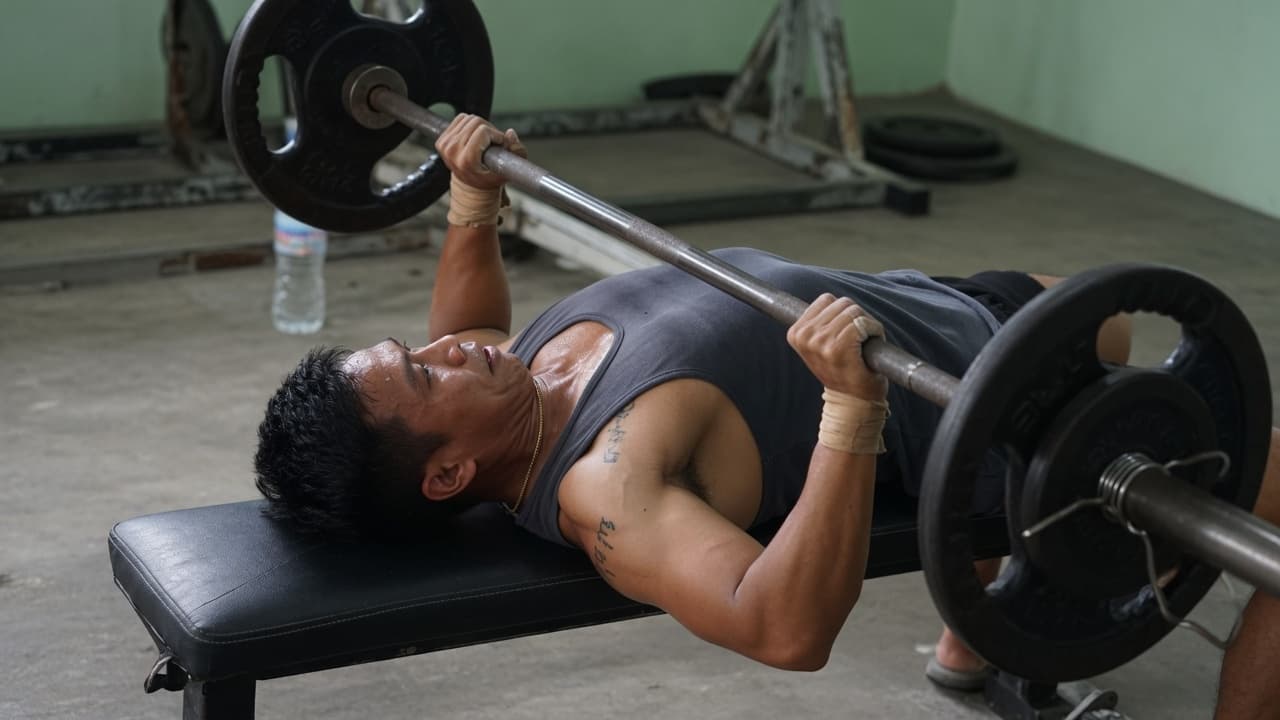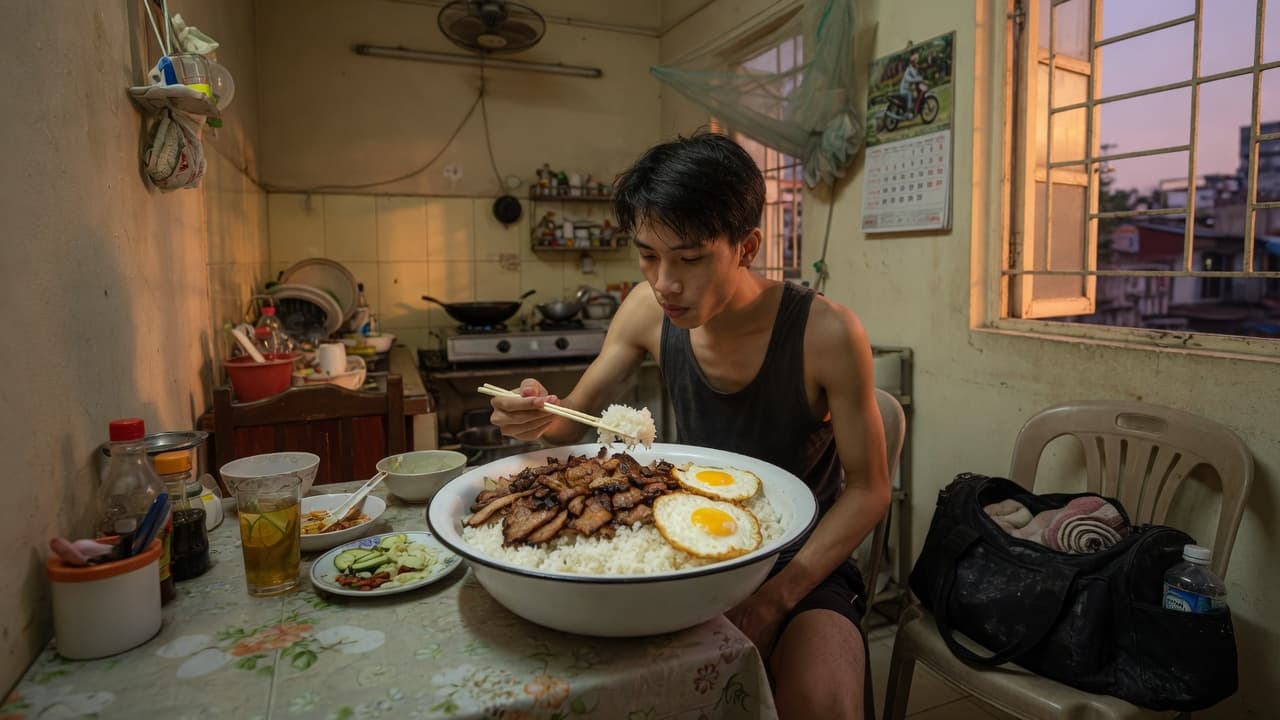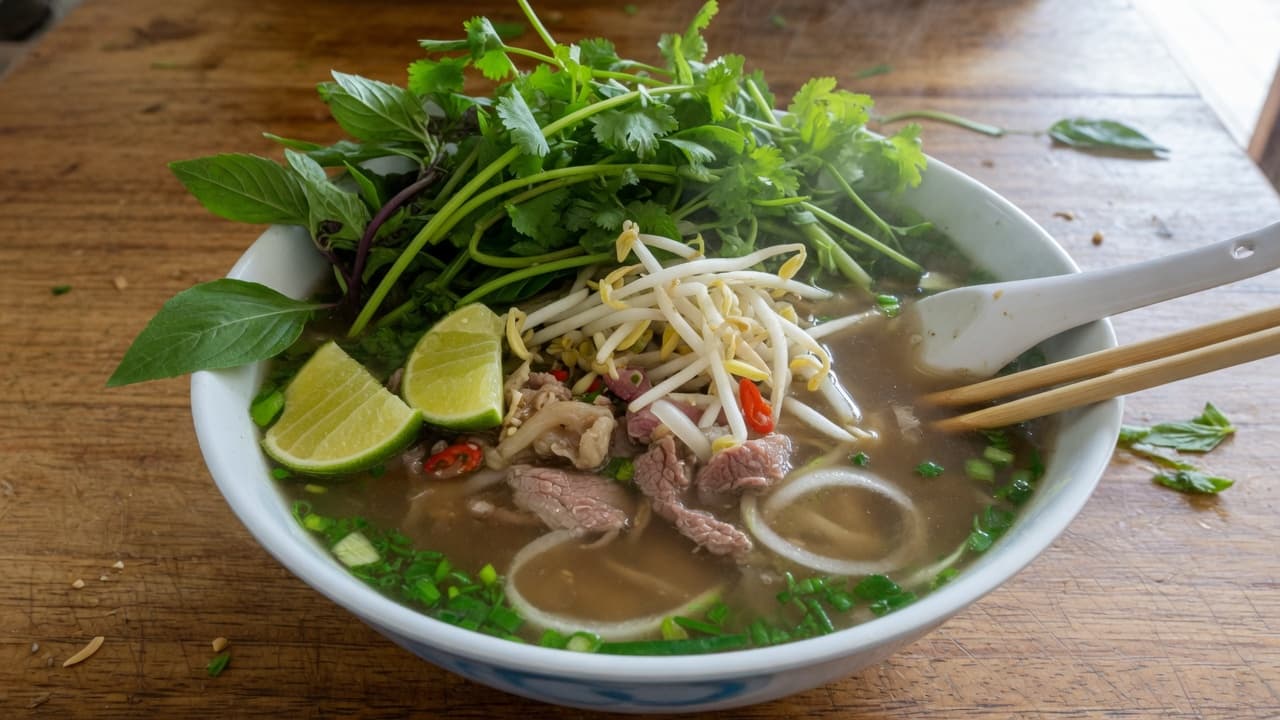
Eating before and after training does not need complex rituals or expensive products. The simple goals are enough energy for a quality session, then sensible protein and carbs for recovery. The “golden 30-minute window” is overblown — daily protein and calorie totals matter more than the clock — but peri-workout meals still help many people feel less hungry, less dizzy, and hit more reps.
Pre-workout: how long and what
- 2–3 hours before: a moderate main meal — rice/noodles, protein, vegetables not overloaded with oil.
- 45–90 minutes before: a light portion — banana, thin bread, yogurt, or a little leftover rice.
- Under 45 minutes: only a little fast carb if you get hungry easily; avoid new high-fiber/oily experiments.
Morning trainees may only need coffee and a small portion if they tolerate it; people who crash easily should have a banana or a few bites of bread. There is no law that you “must train fasted to burn fat” — more on choosing hours in morning or evening training.
Before heavy sets, prefer foods you have already tried. Competition-stomach day is not the day to discover mystery bean mixes.
Pre-meal suggestions (estimates)
| Timing | Suggestion | Notes |
|---|---|---|
| 2–3 hours | 150 g rice + chicken/fish + vegetables | Less sweet sauce, moderate oil |
| 60–90 minutes | Banana + yogurt or bread + egg | Easy to digest, lightly filling |
| <45 minutes | Half a banana or a few soft chews | Only when you need fast carbs |
Post-workout: practical priorities
Within a few hours after the session, aim for a meal with:
- Protein: about 25–40 g (eggs, meat, fish, tofu, thick yogurt…).
- Carbs: rice, potato, bread, fruit — especially after leg days or high volume.
- Vegetables and fluids: rehydrate and get fiber; you do not need to force “only boiled chicken breast.”
If you finish training right at main-meal time, just eat a complete main meal — an extra shake is not required. Whey is convenient but optional; Vietnamese food protein is fine — see protein from Vietnamese food without depending on whey.
- Drink to thirst and pale urine color.
- Within 2–3 hours: a meal with protein + carbs.
- Late sessions: avoid very oily heavy meals right before bed if that wrecks your sleep.
Long cardio vs short lifting
- 45–60 minute lifting: light pre-portion + protein-forward post meal is fine.
- Cardio >75–90 minutes: you may need extra carbs before/during (banana, dilute lemon–honey water).
- Fat loss: still eat around training; keep the deficit in the daily total — do not train hungry until you crash.
For a concrete day frame, see the ~2,200 kcal maintenance menu in 2200 maintenance menu or a lighter cut depending on TDEE.
Common mistakes
- Oily buffet 30 minutes before squats.
- Fasting all day then blowing up an uncontrolled giant meal after.
- Only fizzy soft drinks after training and skipping protein.
- Believing you must buy a “special recovery meal” every time you leave the gym.
Keep a simple 1-week log: training time, what you ate before/after, strength feel. You will find your own pattern faster than copying internet tips.
FAQ
1. Must I eat within 30 minutes after training?
Not for most recreational–intermediate trainees. If the previous meal had protein and you eat within a few hours after, recovery is still good. Very high-volume athletes may benefit from eating sooner, but it is not magic.
2. Should evening sessions include carbs?
They can. Post-workout carbs do not automatically become fat if the daily total fits. Adjust portions if a very full meal near bed hurts your sleep.
3. Stomach pain while training?
Push the meal farther out, cut oil–fiber right before, chew slowly, and try a smaller portion. If pain recurs with dizziness, get checked.
General sports-nutrition guidance only — not personal advice. People with diabetes, digestive disorders, or special medications should ask a doctor before changing meal timing around training.