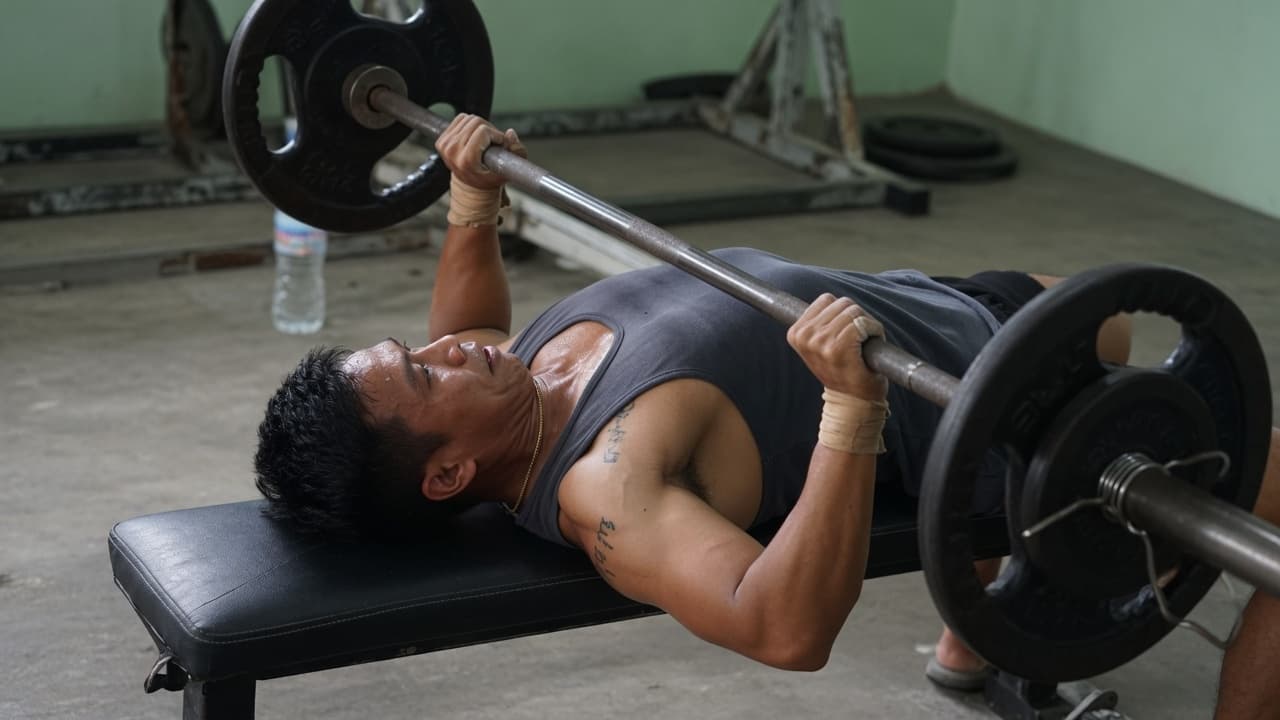
Coffee (and caffeine in general) is a common pre-workout helper: more alert, better strength feel for many people, and sometimes more tolerance for hard reps. It does not replace enough sleep, warmup, and technique. Used at the right dose and time it helps; used late, too strong, or on an empty–sleep-deprived base it causes shakes, empty-stomach discomfort, and counterproductive insomnia.

What caffeine helps in training
- Lowers perceived effort on some heavy or cardio sessions.
- Raises focus before technical sets.
- For habituated people, a cup can be a strong “session starts now” habit cue.
Individual effects differ by caffeine-metabolism genes, tolerance, and last night’s sleep. Not everyone needs a high-caffeine pre-workout.
Sleeping 5 hours then slamming strong coffee for a PR rarely looks as good as sleeping 7–8 hours and training clear-headed.
Practical dose and timing
| Item | General suggestion | Avoid |
|---|---|---|
| Timing | 30–60 minutes before training | Drinking right before set one on an empty, shaky stomach |
| Starting dose | One moderate cup (about 60–120 mg caffeine depending on brew) | Jumping straight to two strong pre-workout packs |
| Cutoff | Usually 6–8 hours before planned bedtime | Espresso at 10 p.m. then blaming insomnia |
| With food | Something light if you get hungry/stomach pain easily | Strong coffee + empty stomach for sensitive people |
Evening trainees should consider a smaller cup or skip caffeine if sleep is fragile. Better hour frames in morning or evening training.
Iced coffee, milk, sugar — count them in the day
- Black or diluted coffee: few calories, easy to control.
- Lots of condensed milk/sugar or a large “base” drink: can add 150–400 kcal while you still think “just coffee.”
- Caffeinated milk tea + sugar: easy to wreck a fat-loss frame if daily and uncounted.
If you track maintenance around 2,200 kcal, count the sweet part as a snack: 2200 maintenance menu. Hydration still needs plain water — caffeine does not replace the bottle on long sessions: drinking water when training.
Who should be careful
- People with high blood pressure, arrhythmias, or a doctor’s advice to limit caffeine.
- Pregnant people / those under special nutrition follow-up — follow personal orders.
- People with anxiety, hand tremors, or reflux easily triggered by strong coffee.
- Chronic sleep debt: prioritize sleep, do not raise the dose.
Signs to cut back: uncomfortable racing heart, cold sweat, insomnia, dependence so strong that no coffee means no training.
Tolerance and a light “reset”
Daily same-dose use can dull the buzz. Quitting is not required, but if you want sensitivity back:
- Taper 1–2 weeks (smaller cup, or only on heavy days).
- Do not cut cold turkey if withdrawal headaches hit hard — step down.
- Keep a fixed bedtime while reducing.
Commercial pre-workouts often combine caffeine with other ingredients; read labels to avoid stacking with morning coffee. You do not need an expensive product if a café cup already wakes you up.
FAQ
1. Fasted training with only coffee — OK?
Some people are fine for short sessions. People who get dizzy, shake, or do heavy leg sets should have light carbs. Coffee does not replace food energy.
2. Does coffee dehydrate dangerously when training?
At moderate amounts, coffee still contributes fluid. Still keep plain water in the session, especially in heat or heavy sweat.
3. Coffee right after waking?
Depends on habit. If you train early, a cup after water and morning hygiene is often practical. More important: do not push the dose too high and do not wreck night sleep.
Lifestyle–training information only — not medical advice on heart conditions or therapeutic caffeine dosing. Ask a doctor for underlying conditions, pregnancy, or medications that interact with caffeine.