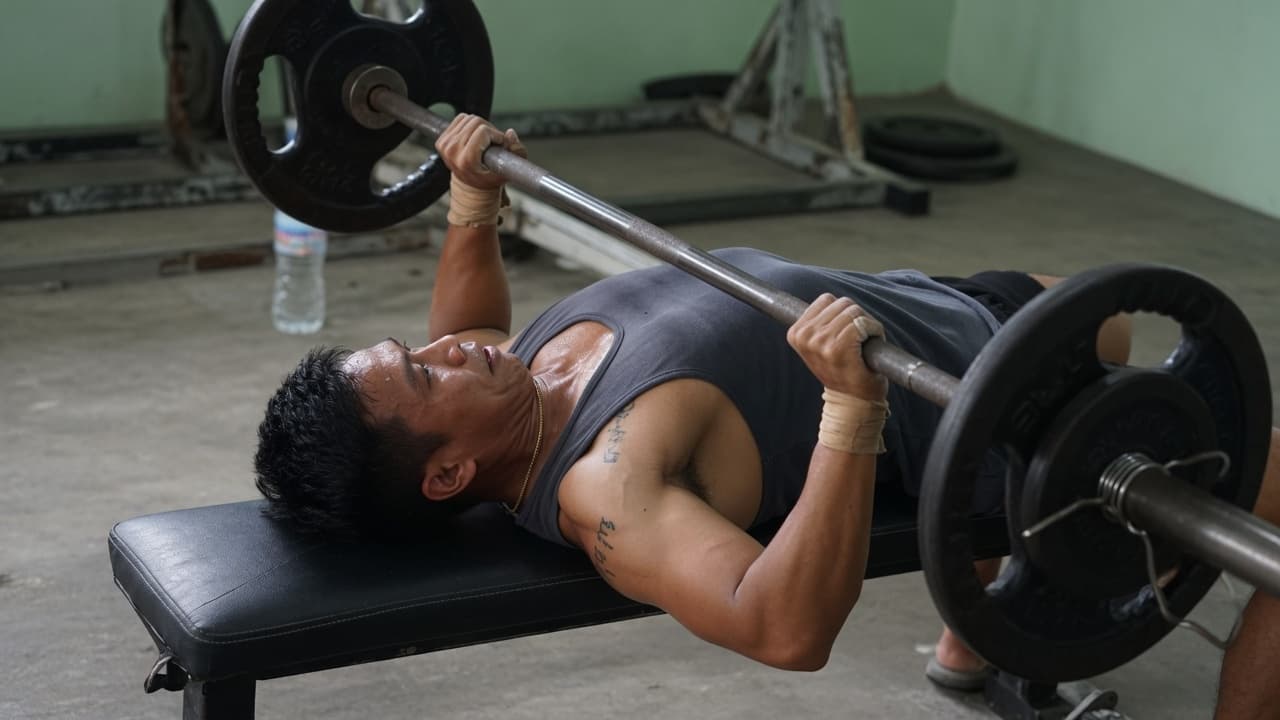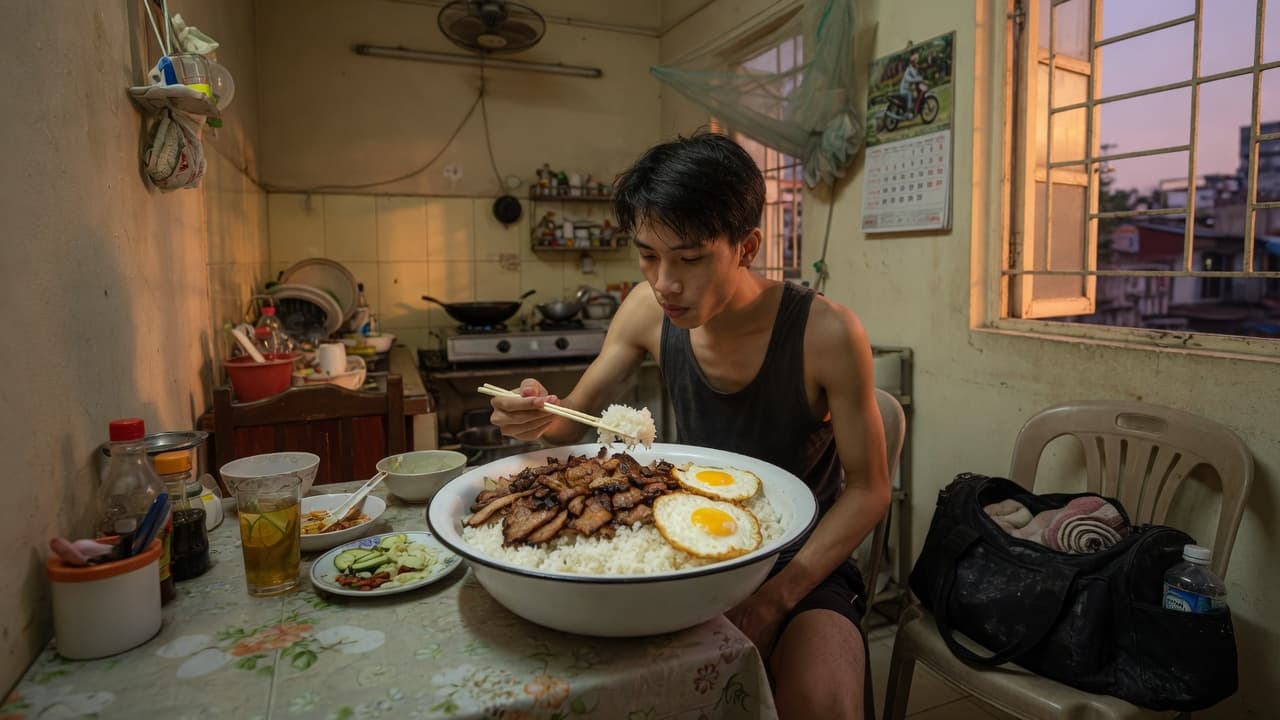
Drinking water around training sounds simple but is easy to overdo: either forget until you are dizzy, or force liters in an hour from fear of “losing electrolytes.” For gym or moderate runs in Vietnam’s climate, the practical rule is start the session already hydrated for the day, sip to thirst during training, and replace after heavy sweating — no complex formula for everyone.
Signs you are under-hydrated
- Clear thirst, dry mouth, persistently dark urine.
- Fatigue earlier than usual, mild headache, lower focus.
- Cramps sometimes relate to electrolytes and fatigue — not always “magical magnesium deficiency.”
Thirst is a useful signal for healthy people. Do not wait until you see stars to find water, and do not force drinks until your stomach is so full breathing is hard.
Practical drinking frame around a session
| Phase | Suggestion | Notes |
|---|---|---|
| All day | Drink steadily, do not dump it all at night | Tea/coffee contribute fluid but do not fully replace plain water |
| 1–2 hours before | 300–500 ml if you often forget to drink | Avoid 1 liter right before training |
| During a 45–75 minute session | 3–5 sips every few sets or when thirsty | Air-conditioned gyms sweat less than outdoor yards |
| After training | Drink to thirst + a meal with soup/vegetables | Soaked in sweat: a bit more salt in food |
Hot outdoor sessions or >75–90 continuous minutes may need more fluid and sodium from food/light salted water — do not assume every bench set needs a neon “electrolyte” bottle.
Plain water, tea, coffee, soft drinks
- Plain water: default choice.
- Light tea / coffee: still mostly hydrating; avoid very strong coffee on an empty, sensitive stomach.
- Fizzy soft drinks: not ideal mid-set; sugar and bloating.
- Sugary sports drinks: useful for long/very sweaty sessions; empty calories if used every short workout.
Coffee also has an alertness angle — more in coffee and training. Soup and vegetables at meals are a solid Vietnamese way to rehydrate after training: eating before and after training.
Hot season and air-conditioned gyms
- Harsh sun: prefer early/late sessions, a hat, and enough bottle volume — hour frames in morning or evening training.
- Strong AC: you may feel less thirsty even while losing some fluid; still keep a bottle in reach.
- Do not train hard outdoors if you already show heat-illness signs.
Drinking too much can be a problem too
Forcing several liters in a short time, especially with little sweat and little salt, can dilute blood sodium in extreme cases. Healthy people rarely hit this if they drink to thirst, but a “drink 5 liters/day challenge” is not a training goal.
- Avoid drinking so much you feel nauseous between sets.
- If a doctor limits fluids (heart failure, kidney disease…), follow personal orders — not a blog table.
Gym bag checklist
- 500–750 ml bottle filled before leaving home.
- Sips between heavy compound sets.
- After: water + a meal with soup or fruit.
- Breathable clothes; a towel so you do not cool down in odd ways.
FAQ
1. Must every day be exactly 2–3 liters?
There is no golden number for every body weight and climate. Watch thirst, urine, and real energy more than forcing exact liters.
2. Electrolyte tablets every gym session?
For 45–60 minute indoor sessions, enough salt in daily food is usually fine. Long sessions, very heavy sweat, or hot environments are when extras are worth considering.
3. Are cramps always dehydration?
Sometimes related to muscle fatigue, unfamiliar load, poor sleep, or electrolytes. Rehydrating can help partly, but also review warmup, load progress, and sleep.
General hydration guidance for healthy people only — not treatment for heat illness, electrolyte disorders, or a doctor’s fluid-restriction orders.