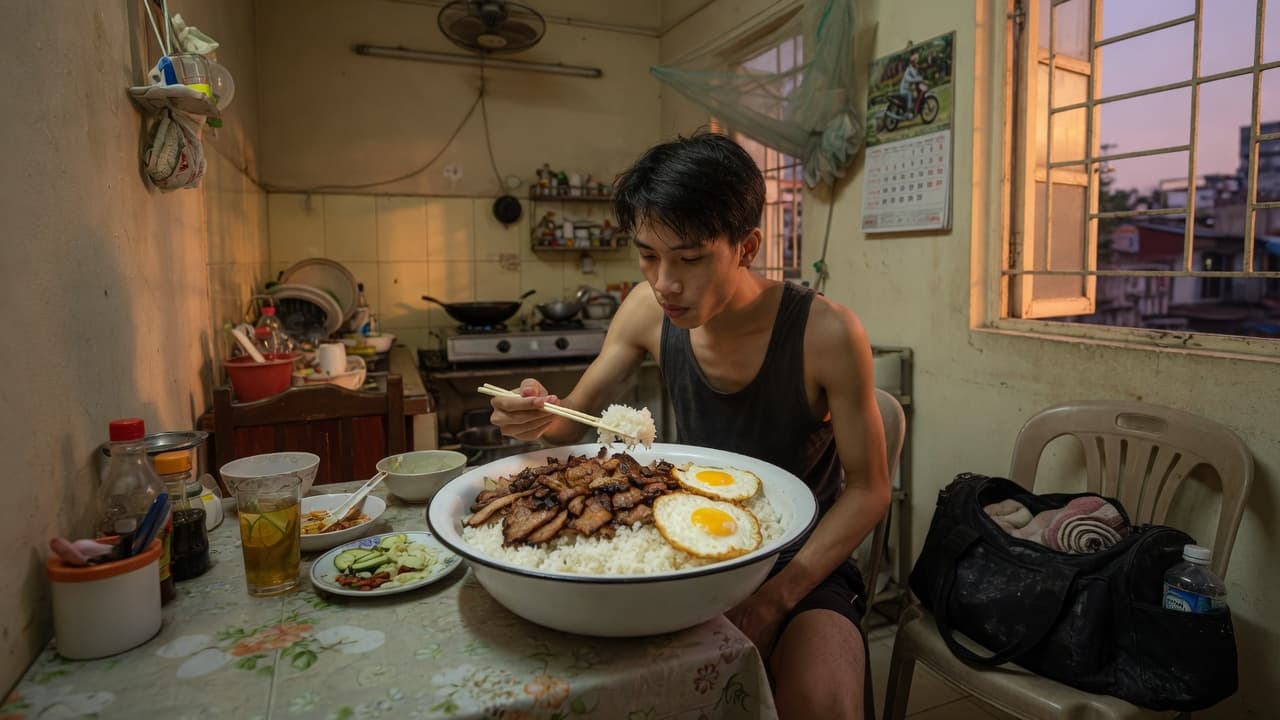
You do not need to go “all in” on keto, fully vegan, or chicken breast all year. A flexible seafood–egg–legume pattern (loose pescatarian) makes protein easy, cooks well Vietnamese-style, and still allows red meat occasionally if you want — what matters is daily protein and variety, not a diet label.
Familiar protein sources: protein from Vietnamese food. Meal-prep ideas: 90-minute weekly meal prep.

What is loose pescatarian?
Prioritize fish, shrimp, squid, eggs, tofu/peas/mung beans in most meals; chicken or lean pork a few times/week when social life needs it; less red meat. You do not need to declare an eating identity — just tilt the market basket toward the sea and eggs.
- Upside: often easier to lower saturated fat vs heavy fatty grilled meats; omega-3 from oily fish; eggs are cheap and fast.
- Watch: if you rarely eat red meat long term, mind iron and B12 and check unusual fatigue with a doctor when needed.
Goal: steady daily protein — not perfect “fish-only days” then weekend penance.
Build daily protein from sea–egg–legumes
| Food | Suggested portion | Est. protein |
|---|---|---|
| Basa / mackerel / salmon | 120–150 g cooked | ~25–35 g |
| Shrimp | 120 g | ~25 g |
| Eggs | 2–3 | ~12–20 g |
| Firm tofu | 150–200 g | ~15–25 g |
| Yogurt / milk | 1 cup / 200 ml | ~6–15 g |
People ~60–80 kg who train often need about 1.4–2.0 g protein/kg/day depending on goals — split across 3–4 eats. Flexible day example: breakfast 2 eggs, lunch braised fish + rice, dinner tofu + shrimp, snack yogurt.
7-day rotation (ideas)
- Mild braised fish + sour soup + vegetables.
- Eggs + tomato-sauce tofu + rice.
- Steamed/pan shrimp + vegetable rice noodles.
- Foil-baked fish + salad/nộm.
- Stuffed or low-oil fried tofu + mushroom soup.
- Fried eggs + canned fish (less sweet sauce) when busy.
- Social flexible meal: chicken or lean beef if you want — still counts in the week.
B12, iron, omega-3 — practical view
- Eggs, milk, yogurt, and fish support B12 better than cutting all animal foods.
- If you almost never eat red meat for months and labs show deficiency — supplement as prescribed, do not self-megadose.
- Oily fish 1–2×/week (mackerel, short-body mackerel, salmon by budget) helps omega-3; white fish still works for protein.
Seafood safety: choose fresh sources, cook thoroughly for pregnancy or weaker immunity; limit fish organs and high-mercury species if intake is very high — rotating species beats one type every day.
Tight budget: eggs + tofu + dried/canned fish still count as “flexible.” You do not need expensive sushi for this model. Vietnamese seasonings (lemongrass, chili, pepper, moderate fish sauce) keep meals from getting boring.
Social life, family, and “meat days”
A party with grilled pork–beef is not an ideology failure. Eat a moderate lean portion, add vegetables, and return to fish–eggs–legumes the next day. Flexible means the weekly average tilts sea and eggs, not guilt-scoring every meal. Family loves braised pork: choose lean, mild braise, pair soup–vegetables — still hits protein goals.
Lifters afraid of “low protein” without chicken breast: total daily grams from fish+eggs+tofu+dairy before concluding you are short. Usually you are fine if portions are intentional; shortfalls happen when meals are only vegetables–rice with no clear protein.
FAQ
1. Seafood and eggs only — missing creatine?
Red meat is richer in creatine; strength trainees can consider creatine monohydrate if it fits and they have asked a professional — not required for everyone.
2. Can legumes fully replace fish?
Legumes are good but amino profile and omega-3 differ from fish. Combining legumes + eggs + occasional fish lasts better than “legumes only.”
3. Do I need a public pescatarian label?
No. Eat by basket and protein goals; social flexibility usually beats a hard manifesto for adherence.
General lifestyle nutrition — not micronutrient diagnosis or medical advice. Pregnancy, kidney disease, or gout need personalized protein and seafood choices.