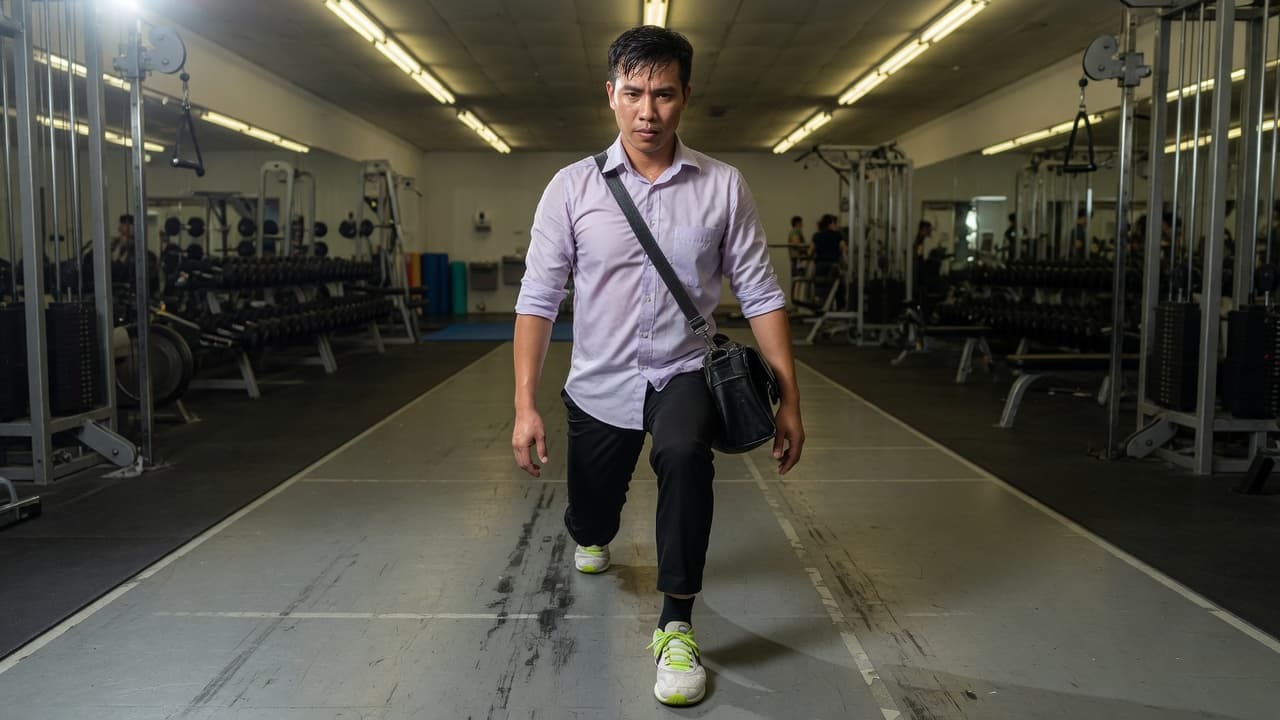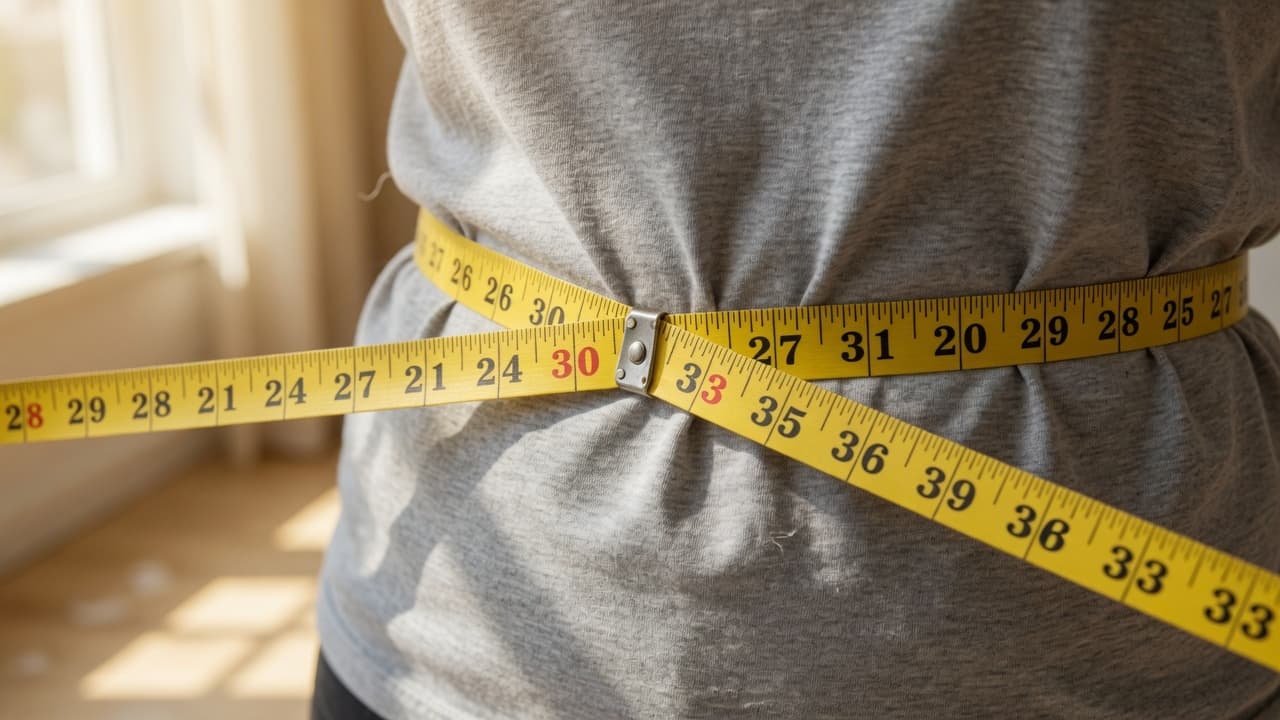
The algorithm is not optimized for your health — it is optimized for watch time. Before–after chains are color-graded, angled, timed to the cycle, and sometimes span a much longer real window than a “21 days” caption. If your feed is all body checks, the brain takes that as the measuring stick, and training becomes a courtroom. The exit is not “delete all social media,” but editing the environment, hiding fake transforms, and re-anchoring to your own metrics.

Why social media warps body image
- Selected samples: you see others’ best days, not bloated days.
- Angle and light: a few degrees high–low change the waist line in photos.
- Stage mismatch: a 5-year maintenance physique next to someone 5 weeks into training.
- Commerce: fear captions (“lower belly fat because you are lazy”) sell detoxes and vibrating belts.
Photos online are content; your metrics and habits are the data.
Hide fake before–afters, keep trustworthy sources
Concrete actions in one evening:
- Unfollow / “Not interested” accounts that only post body checks with put-downs.
- Keep accounts that teach form, realistic protein, or doable schedules — e.g. content in the spirit of tracking progress beyond the scale.
- Mute reel notifications in easy late-scroll windows (after 9 p.m.).
- A separate “worth learning” folder; do not let For You decide body standards.
You do not need to argue with every caption. Just cutting the dose of comparison-triggering images often softens training mood within 1–2 weeks.
A reality journal: counterweight to the feed
Each week, write half a page max:
- Sessions completed.
- One strength line (lift × load × reps).
- Clothing feel or waist every 1–2 weeks.
- One sentence on sleep/stress — not a novel.
When you want a 11 p.m. mirror “body check” after stories, open the journal first. A 4–8 week trend is more honest than one warm-light selfie. Early-week crisis: also read do not quit in week 3.
Healthier rules for viewing fitness content
| You see online | Ask again | What to do |
|---|---|---|
| 14-day before–after | Light? Angle? Water retention? | Do not copy a harsh deficit |
| “Spot fat burn” | Any biological mechanism? | Keep deficit + full-body lifting |
| PR every video | How many takes did they film? | Small progress on your log |
| 5,000 kcal cheat day | Is it marketing? | Reward with experiences if needed |
Gym and phone boundaries
- Do not film strangers as “aesthetic” background.
- Limit filming warm-up sets — easy to post then obsess over every skin fold.
- If you must film form for technique: private video, delete after learning.
Many people feel better leaving the phone in the locker through the main compounds. The online world is still there after the last set.
When comparison has become obsession
Signs you need a stronger social-media dose cut:
- After seeing others’ photos you skip meals or add punishment HIIT.
- Avoid mirrors — or the opposite: check mirror/photos constantly through the day.
- Only see “not enough” even while strength logs are rising.
Then intentionally cut scroll time (app limits), talk to someone trusted, and if lasting anxiety/eating-disorder patterns appear seek professional support — this article does not replace therapy.
Anchor identity in behavior, not feed photos
Useful replacement sentence: “I am someone who hits three sessions and eats protein at main meals,” not “I must look like that video by next month.” Behavior-based identity survives bad days; feed photos do not.
Attach a tidy 12-week goal — one primary metric, two habits — instead of chasing infinite aesthetics from For You.
FAQ
Should I delete every social app?
Not required. Many people only need unfollow + time limits + a reality journal. Full deletion helps if you already tried cutting back and still get pulled into late-night body checks.
Is following fitness influencers ever good?
Yes, if they teach technique, are clear about genetics/stage, and do not sell fear. One account teaching clean squats beats ten that only inspect lower-belly fat.
Should I post my progress photos?
Only if you want to, for the purpose of recording — not for comment approval. If every post leaves you refreshing for feelings, keep photos private.
Disclaimer: General education on body image and social-media habits — not psychological diagnosis or eating-disorder treatment. If you have self-harm thoughts, severe body-image obsession, or extreme eating behaviors, seek appropriate medical/psychological help.