
Lower-belly fat is often the place you “want gone first, lose last.” Ads for vibrating belts, fat-melt creams, and 500 crunches/day live on that frustration. Real physiology: you do not pick where fat leaves like picking a supermarket floor. What you can control is a durable deficit, strength training, sleep and stress, patience with genetics — while core work is still worth doing for function and posture, not as a spell to burn one spot.
Spot reduction: the promise and the limit
Training the abs makes the abs stronger; it does not automatically “burn” the fat layer above them on command. Reducing trunk fat thickness comes from an energy deficit long enough for the body to mobilize triglyceride — regional priority is influenced by genetics and hormones.
- Crunches do not replace a deficit.
- Electric belts/vibrating machines do not replace a deficit.
- Heat wraps cause temporary water loss on the scale/feel — not durable fat loss.
Core is still worth doing — to brace when you lift, not to trick you into dropping protein and sleep.
Three practical pillars
- Small–moderate deficit: enough for waist/average-weight trends to fall over many weeks, not enough to wreck sleep and skip training.
- Full-body lifting: keep muscle, NEAT, and shape as weight drops — a frame like controlled strength + cardio.
- Sleep and stress: short sleep raises hunger and water retention; the belly looks “puffy” even when fat has not increased.
Read scale noise correctly: tracking progress beyond the scale. For women, weight–stress–cycle are tightly linked — sleep, stress, and weight in women.
Still train core — for the right reasons
Planks, dead bugs, carries, anti-rotation help control the trunk during squat/hinge/push/pull. That is skill. Pairing with big compounds beats hundreds of nightly crunches after sitting all day.
Thinking detail: core is not 500 crunches.
Genetics, sex, and time expectations
| Factor | Practical meaning |
|---|---|
| Fat distribution | Some people keep fat under the navel longer even when the upper waist has slimmed |
| Cycle / water | The belly looks different by week — do not inspect every morning |
| Time | Many months of a durable deficit > 14 extreme days |
| Online before–afters | Angle and lighting change lower-belly perception a lot |
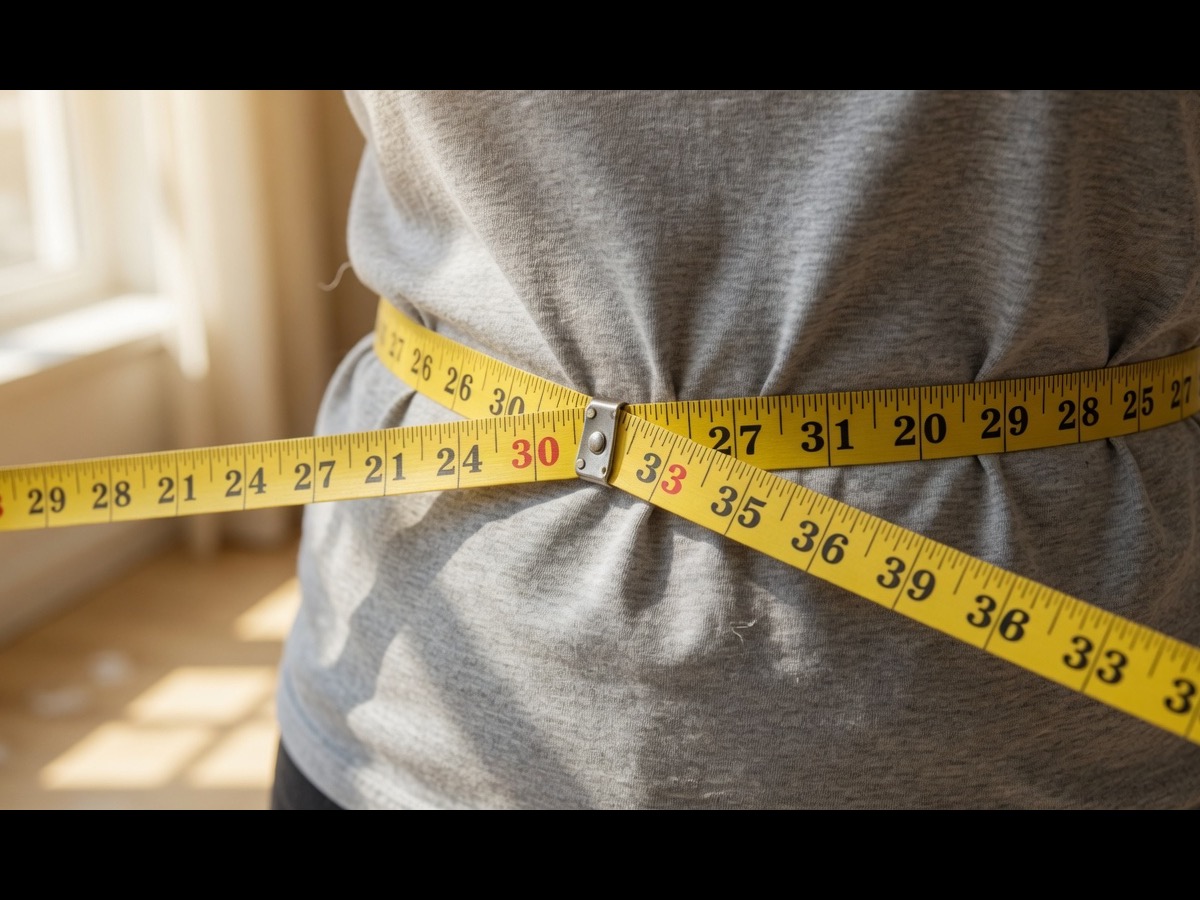
Healthy comparison: your photos and tape every 2–4 weeks. Do not use the feed as the standard — do not compare bodies online.
4-week checklist before blaming “lower-belly genetics”
- ≥80% lifting adherence and reasonable calorie/protein estimates?
- Average sleep ≥7 hours most nights?
- Waist (same landmark) and photos trending?
- Have you avoided living on crunches + vibrating machines alone?
If all four are still loose, tighten the pillars before buying more gadgets. If they are solid but slow, stay the course — plateaus need a checklist, not panic: 8-week plateau.
Things that can help the belly feel lighter (not miracle cures)
- Walk after meals when bloated.
- Cut ultra-salty–fizzy foods if you are sensitive.
- Manage constipation (fiber + water + movement) — bloating ≠ fat.
- Wear the right size; do not compare a hunched sitting belly with someone flexing in photos.
These steps improve comfort and perception; they do not replace a long-term deficit.
FAQ
Why does my friend eat like me but have a flatter lower belly?
Genetics, training history, true adherence %, sleep, and camera-angle illusions. Copying someone’s one food day does not copy their whole context.
Do I need lots of cardio to lose lower-belly fat?
Cardio can help a deficit if eating stays the same — but stacking cardio on poor sleep and losing muscle from dropping lifting often backfires aesthetically long term. Prioritize lifting + steps + controlled calories.
Soft lower belly after arms–shoulders already look firm — normal?
Very common. Continue a durable deficit and training; do not torch the program just because one region is slower.
Disclaimer: General education on truncal fat-loss principles — not diagnosis of visceral obesity, GI disease, or personal treatment advice. See a doctor for unusual abdominal pain, lasting bloating, or metabolic-risk assessment before cutting calories.