Comparing bodies online is almost always a mismatched fight: different genetics, camera angles, stages, sometimes photo edits. You take a real week-6 body and compare it to someone else’s best photo of the year, then conclude you failed. FitPath does not sell “fake” before–afters to shame you — this piece helps you reset the comparison frame to the right place: your 12 weeks and your metrics.

Three things the internet often hides
- Genetics and starting point: bone structure, fat distribution, how easily muscle builds differ clearly.
- Angle, lens, lighting, cycle timing/water retention.
- Stage: someone cutting after a year of building looks different from someone in their first deficit.
Captions rarely give full context. Algorithms like strong emotion — including the feeling “I am not enough.”
The only healthy comparison is you today versus you with last week’s journal.
Focus on your 12 weeks
Pick one primary metric and two anchor habits — frame in 12-week goals. Every time you want to compare a selfie with someone online, open the journal:
- Enough sessions this week?
- Did main lifts nudge reps/load?
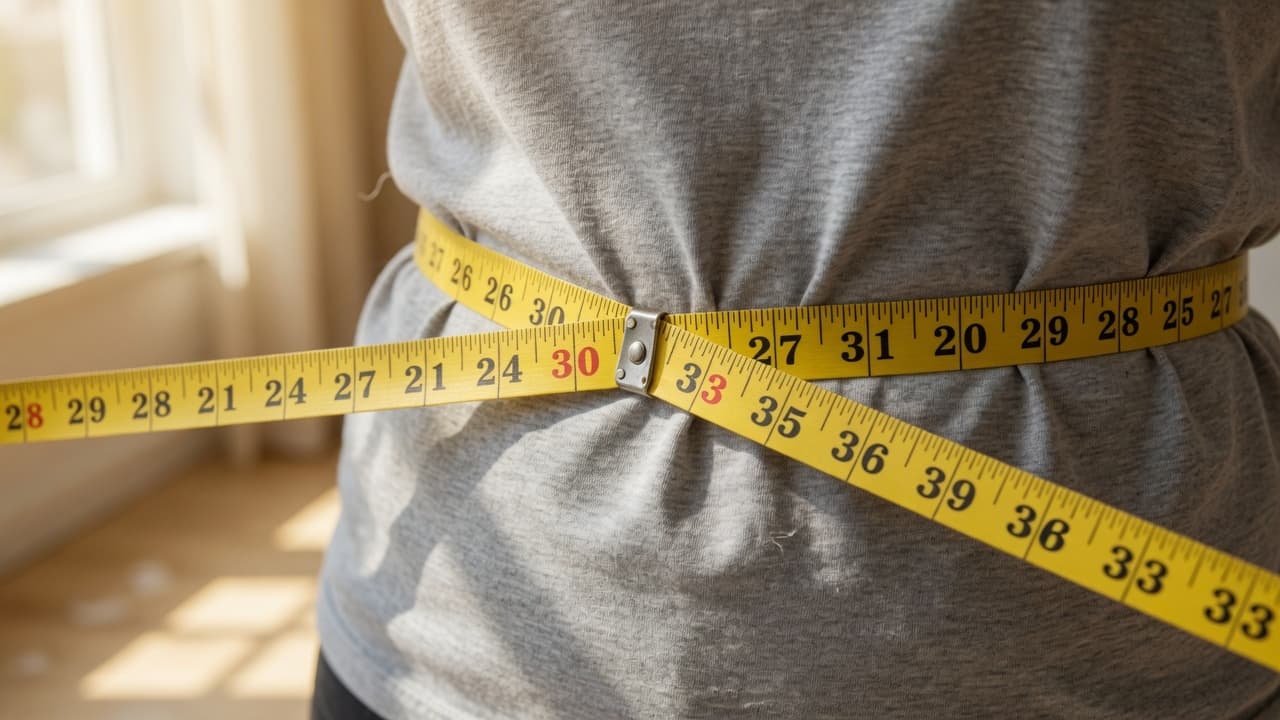
- How do waist/photos look over the last 2 weeks?
Those three questions pull you back to data. The feed cannot answer them for your body.
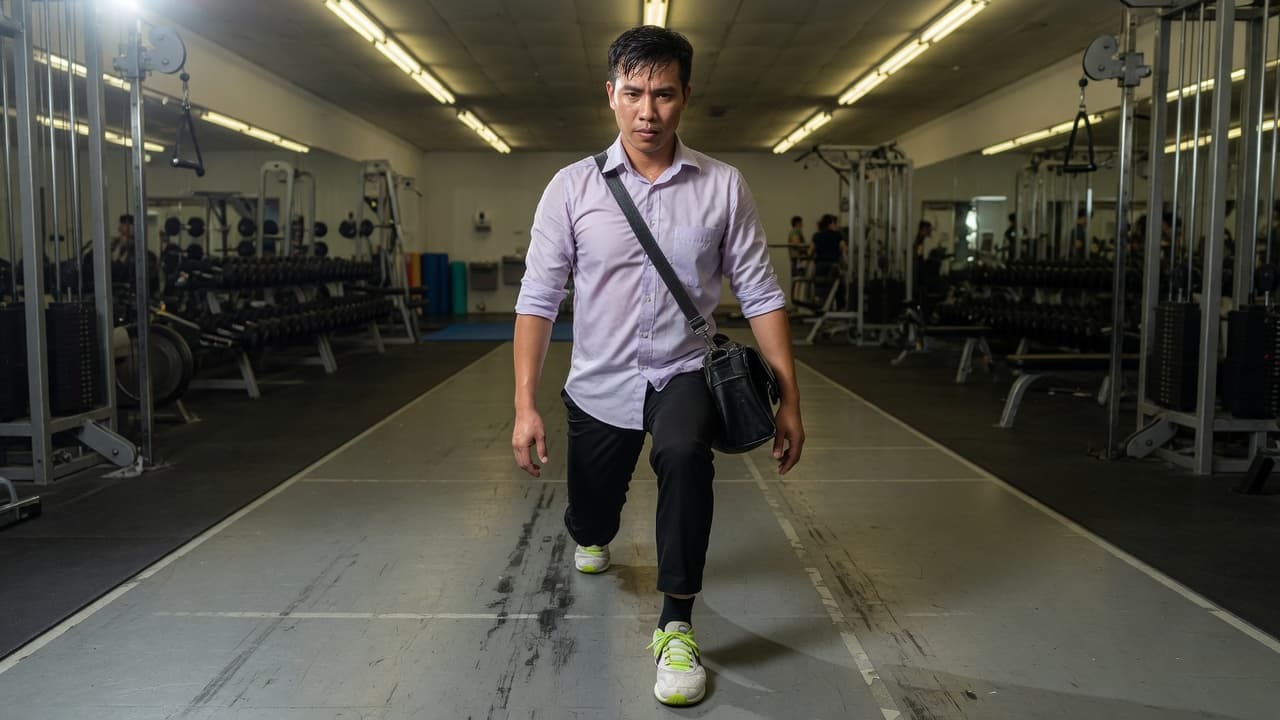
At the gym: compare form, not physiques
Watch others to learn back position, squat depth, breathing — useful. Watch to measure “their waist is smaller than mine” — hurts adherence.
- Learn technique from clean lifters.
- Do not ask strangers’ loads only to bruise your ego.
- Do not film others as your body standard.
You can train side by side and still keep separate RPE; ego lifting from body comparison is a fast path to pain and boredom.
Before–after: read like an adult
| Red flag | How to read it |
|---|---|
| Clearly different light and posing | Not a science standard |
| “14 days” with an instant waist change | May be water, angle, or a longer timeline |
| Sold with detox/vibrating belt | Prioritize doubting the motive |
| Clear about genetics, time, deficit | Worth learning methods more than copying numbers |
A trustworthy coach teaches process and safety boundaries; they do not need you to hate your current body to keep buying.
Replace the inner script
- From “I must look like them” → “I need three sessions and protein this week.”
- From “My waist is ugly” → “Re-measure the waist in 2 weeks under the same conditions.”
- From “Training is pointless for me” → “Last week’s log is here; do the minimum session if motivation is gone.”
Inner language affects eating–training behavior the same day. Pair with lowering feed toxicity: social media and body image.
When comparison comes from real people around you
Relatives, coworkers, group chats — sometimes heavier than Instagram. Short approach:
- Steer to habits (“I’m keeping a 3-session schedule”) instead of scale numbers.
- Limit who gets to comment on your body.
- Do not explain your nutrition plan to people who are not asking to learn.
Social boundaries are also a skill for keeping the program.
Signs you need a lower comparison dose
- Skipping sessions from fear of mirrors or being watched.
- Constantly rewriting plans after seeing someone else’s photos.
- Extreme eating cuts only to “catch up” to an online aesthetic milestone.
Then prioritize a behavior journal, short show-up sessions, and professional support if anxiety or disordered eating appears.
FAQ
Can I still get inspired by people with great physiques?
Yes — if inspiration leads to durable behavior (consistent training, sleep, protein), not self-hate. Real inspiration pulls you into the gym; toxic comparison pushes you into bargaining loops.
Is genetics a reason not to train?
No. Genetics affect ceilings and shape; habits affect health, strength, and body composition within your control. Twelve consistent weeks are still worth doing even if you never become an ad photo.
Should I hide progress photos to avoid reverse comparison?
Fully private is fine. If you post, post to record the process — turn off comments if needed. The goal is your data, not approval scores from strangers.
Disclaimer: Education on body-image comparison psychology in training — not psychological therapy or eating-disorder diagnosis. Seek professional help if body obsession affects eating, sleep, or your safety.