Twelve weeks is long enough to see real change, and short enough that you want to cram ten KPIs into one notebook: lose weight, raise the squat, “get abs,” sleep early, seven-day meal prep… The usual result is chaos by week 3 and quitting by week 5. A sturdier way: one primary metric, two anchor habits, and a few secondary numbers only for trend reading — not for competing with yourself every morning.
This piece helps build a clear, measurable 12-week goal without turning into a corporate KPI board.

Why many goals slow you down
The brain loves the feeling of “doing everything.” Each new goal demands daily decisions. When life gets busy, you drop the hard thing first — usually training or the protein meal — then conclude “the method does not fit.” You actually scattered your force.
- Many aesthetic goals at once are hard to control because genetics and fat-loss order differ.
- Changing program + calories + bedtime in the same week makes it unclear which variable worked.
- Daily measurements create emotional noise and early plan-hopping.
Twelve weeks win on consistency, not on paper “perfection.”
Pick the right primary metric
The primary metric must be more stable than mood and tied to the real goal. Two common choices:
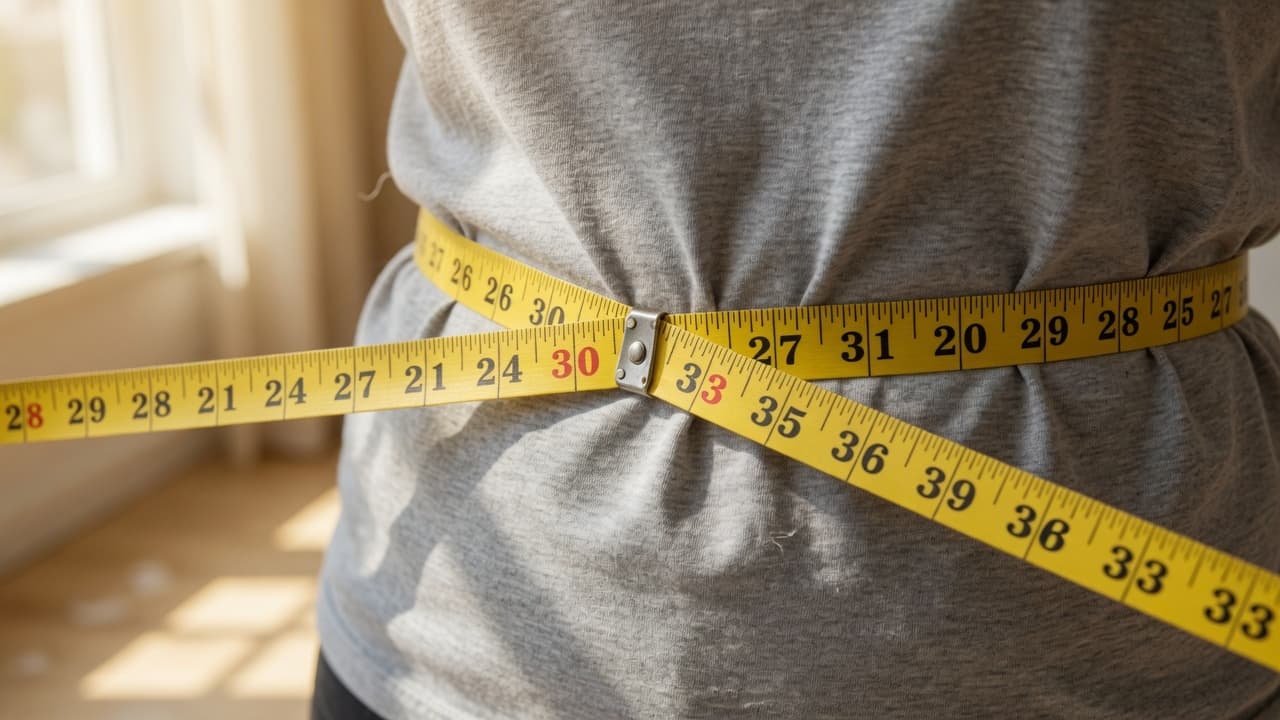
- Waist (or a fixed trunk landmark) if you prioritize truncal fat loss. Measure in the morning, same landmark, every 1–2 weeks.
- One strength marker — e.g. squat or hip thrust: load × clean reps — if you prioritize keeping/building muscle and performance.
Do not make both “primary” at once. One anchors decisions; the other is secondary. How to read waist–photos–lifts: tracking progress beyond the scale.
Avoid cheap BIA body-fat % or “calories burned on a watch” as the primary metric — too noisy.
Two anchor habits (not ten)
Anchor habits are behaviors you can keep ≥80% of days across 12 weeks, including busy weeks. Reasonable pair examples:
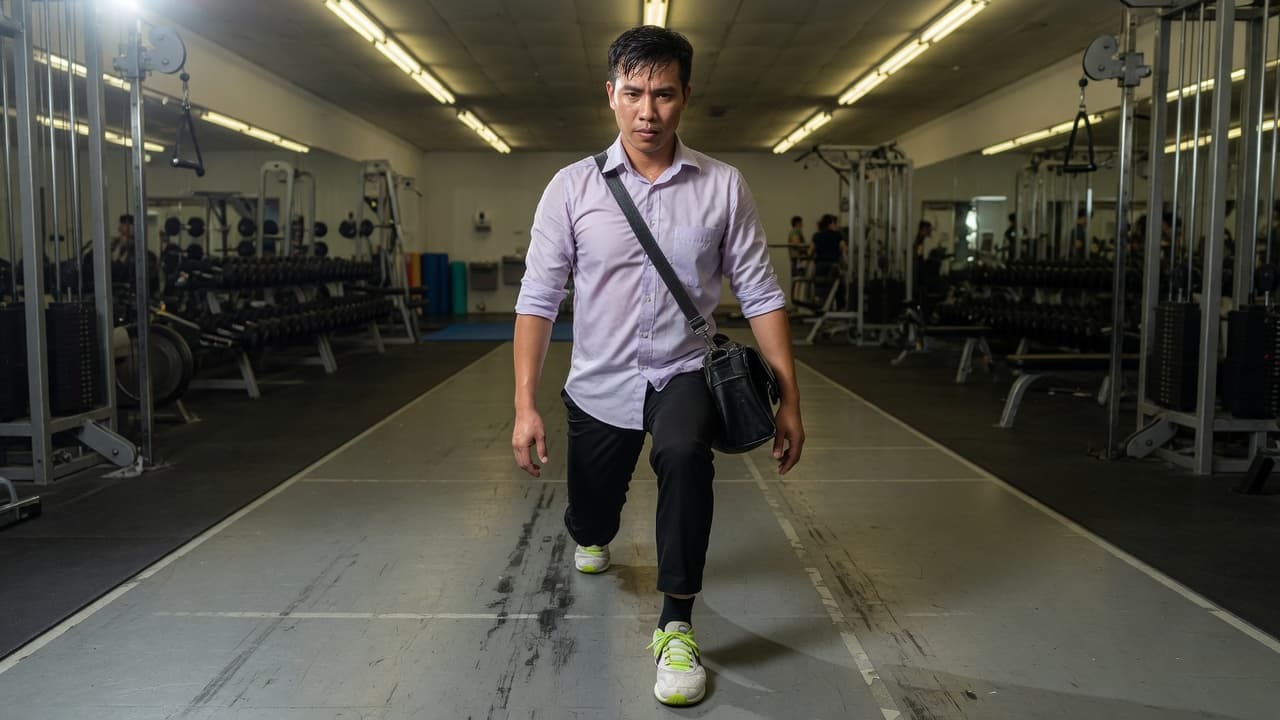
- Anchor 1 — training: 3 scheduled strength sessions/week (e.g. the frame in 3-day plan for busy people).
- Anchor 2 — protein at main meals: lunch/dinner has a clear protein source (meat, fish, eggs, tofu, yogurt…) instead of only rice–vegetables.
Other pairs work too: steady walking + bedtime before 11 p.m.; or meal prep + 3 lifting days. What matters is two, not seven. Everything else is bonus when the week is smooth.
12-week frame: phases so the brain does not quit
| Phase | Weeks | Focus |
|---|---|---|
| Stabilize | 1–4 | Keep schedule and protein; learn form; accept scale noise |
| Accumulate | 5–8 | Nudge load or reps; tighten execution if loose |
| Evaluate | 9–12 | Read primary-metric trend; change one variable if needed |
Week 3 often brings a scale crisis — do not reset everything; see do not quit in week 3. Only after weeks 8–12, if the primary metric and photos have not moved despite solid adherence, consider a mild calorie cut or more steps.
Photos and secondary metrics: right dose
Every 2 weeks shoot photos in the same light and distance; note clothing fit; log compound lifts. They cut noise when the primary metric stalls from water or the menstrual cycle.
- Do not measure the waist every day.
- Do not change the primary goal mid-cycle except for medical reasons or injury.
- Do not add new KPIs just because of a “30-day transformation” video.
Write the goal on one page, not a poster
Minimal template to pin or note on your phone:
- Primary metric: … (e.g. waist −3 cm or squat +10 kg clean).
- Two habits: … and …
- Boundaries: no fasting so hard sleep breaks; no punishment HIIT after eating out.
- Review dates: end of weeks 4, 8, 12.
If the goal ties to a wedding or event, prioritize a small deficit and strength over a crash diet.
Signs the goal is “ballooning” again
- You open another tracking app midweek.
- You set a new goal every time one morning weigh-in looks bad.
- You cannot remember the two anchors because the list is a full page.
When that happens, cut back to one metric + two habits within 48 hours.
FAQ
Can body weight be the primary metric?
Yes, if you accept a weekly average rather than one weigh-in, and add waist or photos to avoid misreading water retention. For many people, waist or strength causes less panic.
Is 12 weeks too long if I want fast results?
Sustainable fat loss while keeping muscle rarely “finishes” in 21 days. Twelve weeks is a realistic window to see a trend without extremes.
What if I hit the goal before 12 weeks?
Keep the anchor habits, set a new primary metric for the next cycle, or shift to near-maintenance calories. Do not reward yourself by torching the schedule — switch rewards to experiences if needed.
Disclaimer: Education on goal-setting and progress tracking — not a treatment protocol or personal medical advice. People with chronic conditions or a history of eating disorders should talk with a suitable professional before cutting calories or raising training load.