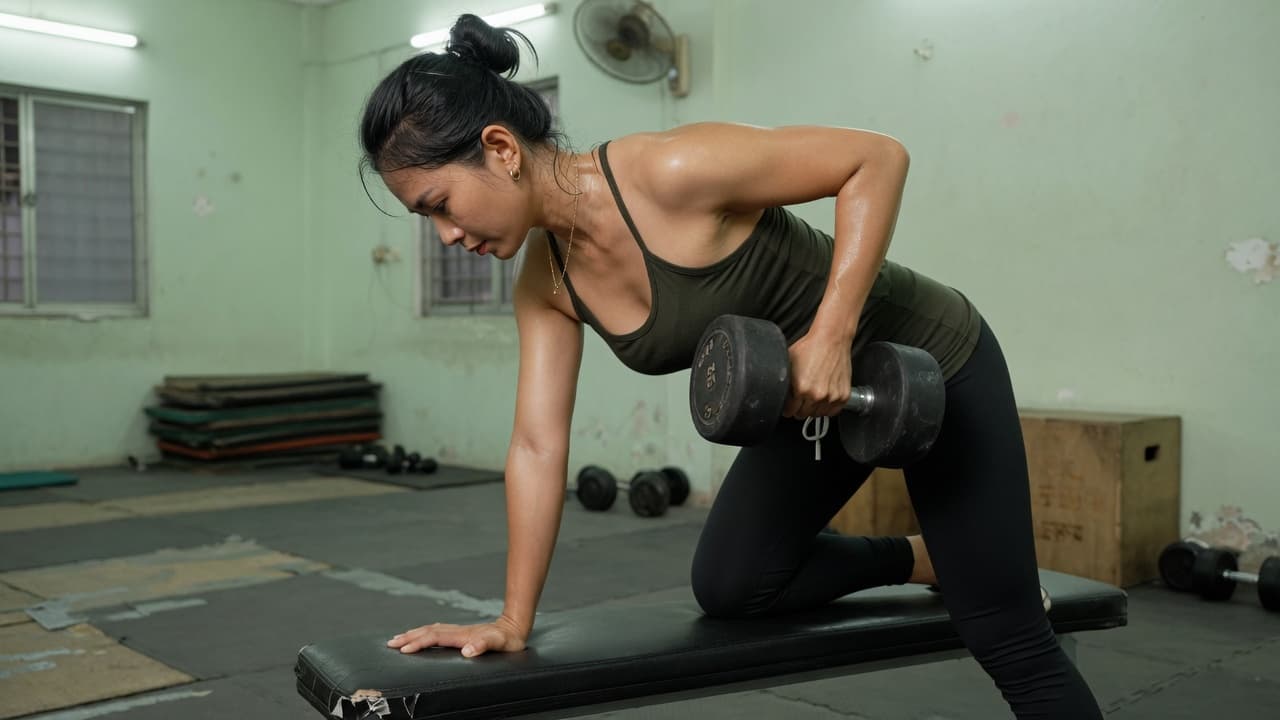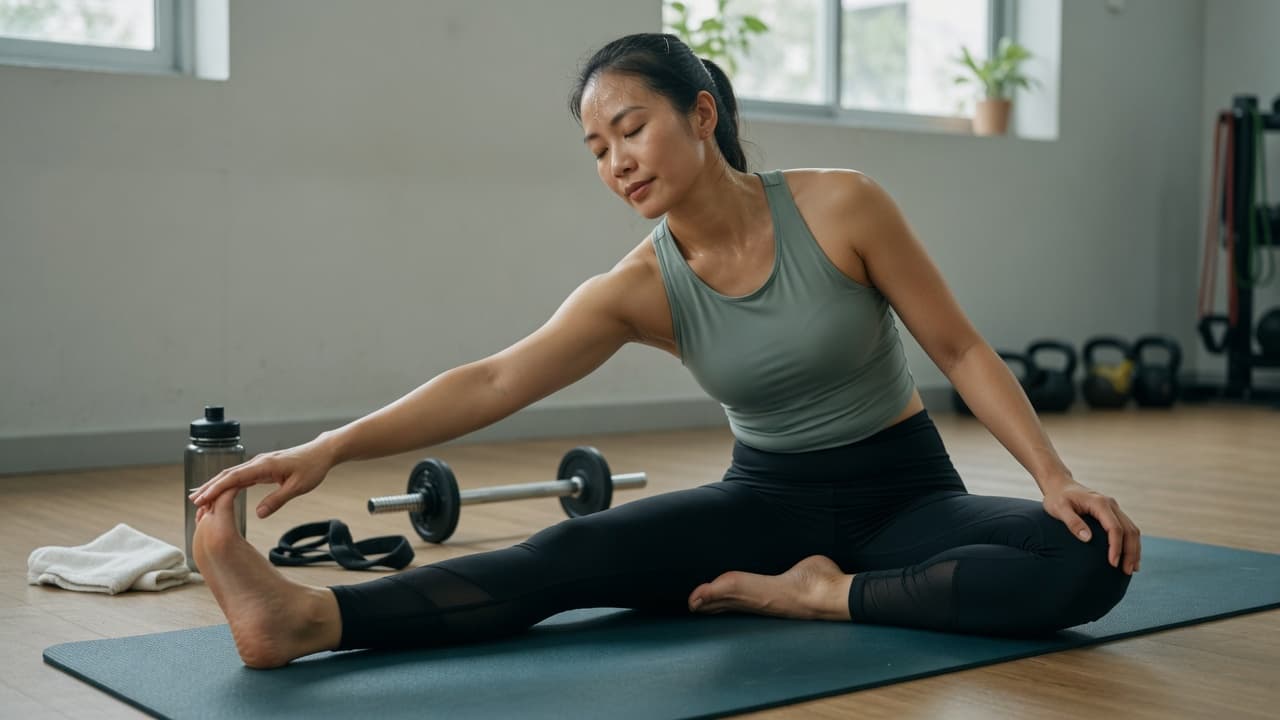
A strong core is not hundreds of crunches every night. For most people training for health, mild desk-related back ache, or stronger presses–pulls–squats, four spine-stability moves — dead bug, side plank, bird dog, and suitcase carry — give a more useful signal than crunch volume. This article covers breathing, concrete sets, and why “burning belly fat with crunches” is usually the wrong expectation.
You can still keep a few crunch variations if you like them — just put them after an anti-rotation and anti-extension base.
What the core does beyond “abs”
The muscles around the trunk transfer force between legs and arms, keep the ribcage and pelvis stacked when you carry things, and limit excess rotation or extension when you run or lift. Crunches mainly flex the spine repeatedly; useful in some sports contexts, but not the only key to a healthy back or a smaller waist.
- Anti-extension / neutral hold: dead bug, plank variations.
- Anti-lateral flexion: side plank, suitcase carry.
- Anti-rotation / cross-body coordination: bird dog.
- Breathing and abdominal pressure: the base for every heavy lift.
Breathe before you “brace”
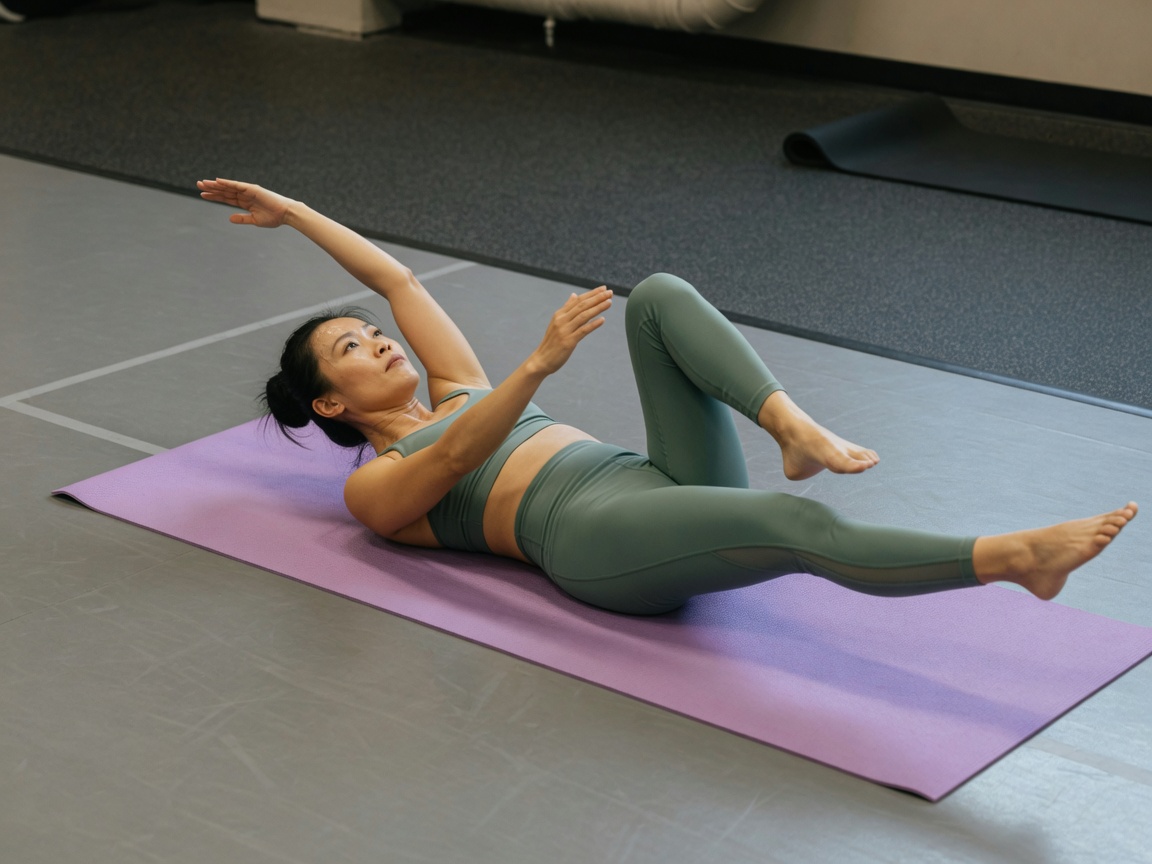
Lie on your back, knees bent: inhale lightly into belly and ribs spreading sideways, exhale long through the mouth as if blowing through a thin straw, feel the ribs drop and the lower abs gently tighten. Keep that light “closed” feel while arms and legs move — do not hold your breath until your face turns red for the whole set.
Cue: “exhale – drop the ribs – hold lightly – then move the limb.”
1) Dead bug
Lie on your back, arms toward the ceiling, hips and knees at 90 degrees. Exhale, slowly lower one arm and the opposite leg toward the floor while the low back stays on the mat (no arch). Return, switch sides.
- Dose: 2–3 sets × 6–8 per side.
- Rest 45–60 seconds.
- Common fault: low back arches when the leg extends — shorten the range or only extend the leg while arms stay up.
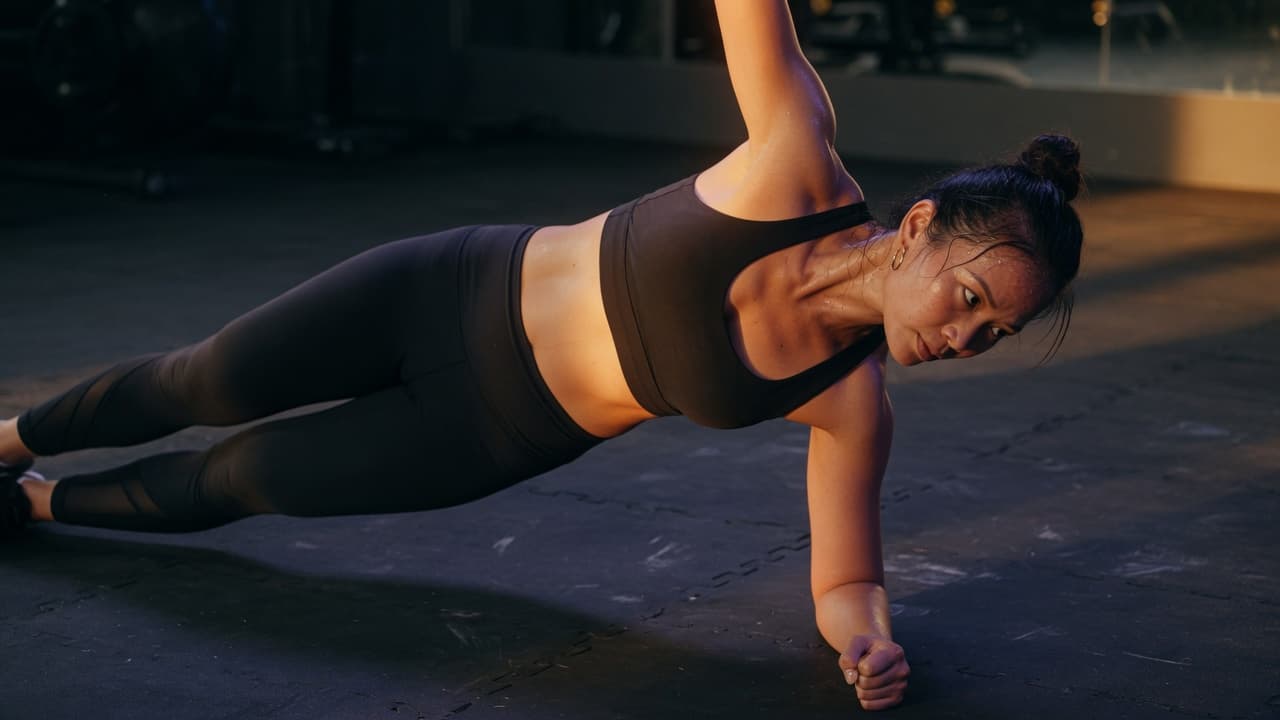
2) Side plank
Elbow under the shoulder, legs straight or knees down if you are new. Body in a straight line from head to feet, hips not sagging. Stable shoulder; look ahead or slightly down.
- Dose: 2–3 sets × 20–40 seconds per side.
- Progress: slowly lift the top leg, or hold 45 seconds before adding variations.
- Shoulder pain: shorten time, check that the elbow is stacked under the shoulder, or use a knee side plank.
3) Bird dog
On all fours, hands under shoulders, knees under hips. Slowly extend one arm and the opposite leg parallel to the floor, keeping the hips from rotating as if “not spilling a cup of water on your back.” Return with control, switch sides.
- Dose: 2–3 sets × 6–8 per side, pause 1–2 seconds at full reach.
- Fault: sagging low back, kicking the leg too high — think “reach long behind” more than “lift high.”
4) Suitcase carry
Hold a dumbbell (or heavy water jug) on one side, stand tall, shoulders level, walk slowly 20–40 meters. Switch sides. The trunk resists leaning so you do not tip toward the load.
- Dose: 2–3 rounds per side.
- Choose a load that lets you walk straight without obvious lean; add gradually when shoulders and trunk are stable.
- Do not go so heavy that you lean all week or twist the knee joints.
| Move | Sets × reps/time | Main role |
|---|---|---|
| Dead bug | 2–3 × 6–8/side | Anti-extension, breath coordination |
| Side plank | 2–3 × 20–40 sec/side | Lateral trunk stability |
| Bird dog | 2–3 × 6–8/side | Anti-rotation, posterior chain |
| Suitcase carry | 2–3 × 20–40 m/side | Anti-lean while moving |
Where to put them in a session
Run the four-move block at the end of a full-body day (8–12 minutes) or after the warm-up if your back feels “loose” before squats. You do not need a separate “abs-only” day if you hit these patterns 2–4 times a week.
For a more balanced upper body when pushing, see the push-up progression. Before heavy lifting, a short warm-up can include 1 set of dead bugs and 1 set of bird dogs — full warm-up frame in 8-minute warm-up.
Why 500 crunches are overrated
- Calories from crunches are low next to walking and a food deficit; belly fat does not “choose a spot” based on local exercises.
- High-rep flexions with poor form can irritate the neck and bother the back.
- People who need stability for lifting and desk life usually lack anti-lean/anti-rotation more than they lack flexion.
If you like the “burn” in the rectus abdominis, add 1–2 controlled crunch variations after the four foundation moves — do not replace them.
FAQ
How long until the back feels less sore?
Many people feel better control after 2–4 weeks of 3 sessions/week plus standing and walking during the day. Lasting pain, leg radiation, or numbness/weakness needs a medical evaluation — do not self-treat with planks alone.
Do I need a 3-minute front plank?
No. Very long holds often become “hanging on the skeleton” with no muscle tension. Prefer 20–40 quality seconds or shift to side planks and dead bugs.
No dumbbells for suitcase carries at home?
Use a one-strap backpack, water jug, or a heavy bag that fits your hand. A few lengths of the room each side is enough to learn anti-lean.
This is movement education, not a diagnosis or treatment for back or neck pain. See a doctor or qualified professional if you have neurological symptoms, a fresh injury, or pain that rises with training.