Endless warm-ups make people quit and walk straight into heavy sets. Too-skimpy warm-ups leave joints “asleep” and feeler sets off. For a normal lifting session you only need about eight structured minutes: raise heart rate, open hips and shoulders, then a few empty or very light sets before working sets.
The sequence below runs on a clock. No fancy gear — standing room, a bar or light weights, and the right order. The goal is arriving at the first working set ready, not sweating like a cardio session.
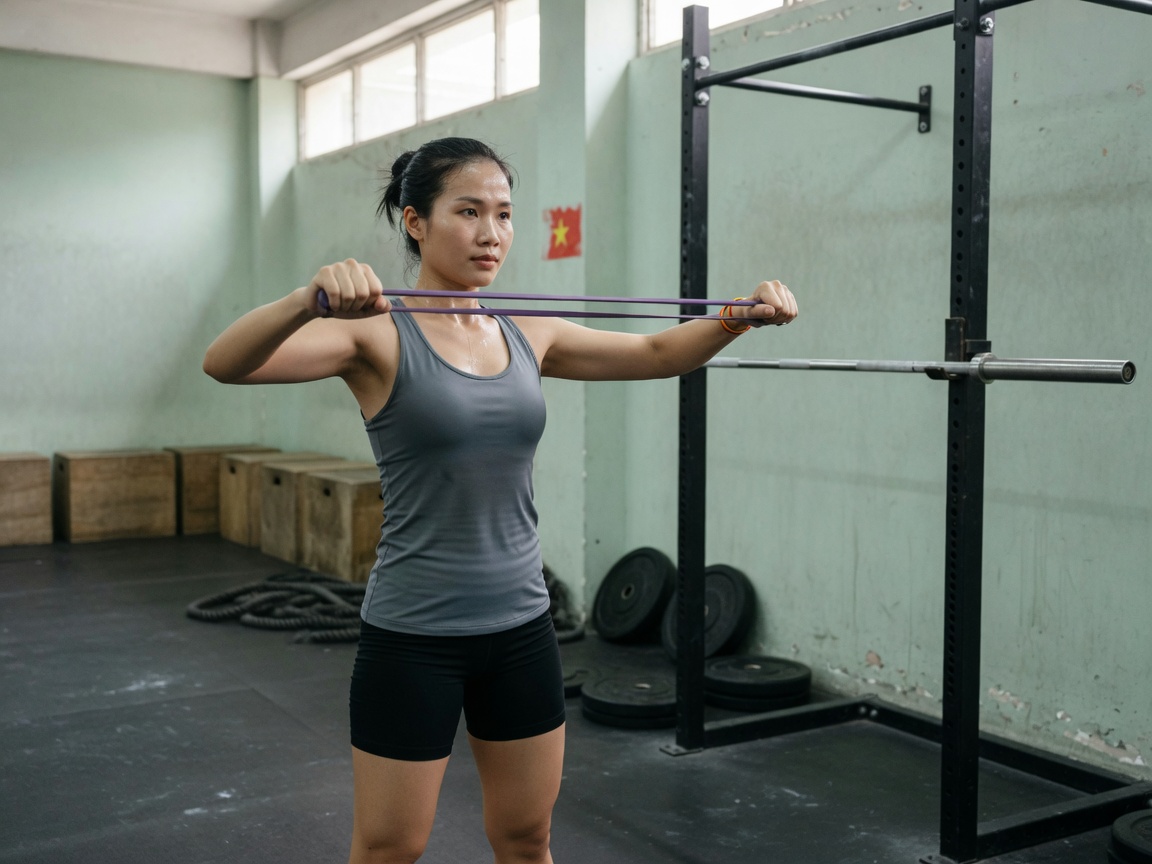
Principles of an 8-minute warm-up
- General to specific: heart rate first, big joints next, then patterns like the main lifts.
- Controlled range: no long static stretching to end range before heavy loading.
- Steady breathing: nose or mouth is fine — just do not hold your breath while circling joints.
- Feeler sets are the bridge: empty bar or 40–50% of planned load; focus on bar path and foot pressure.
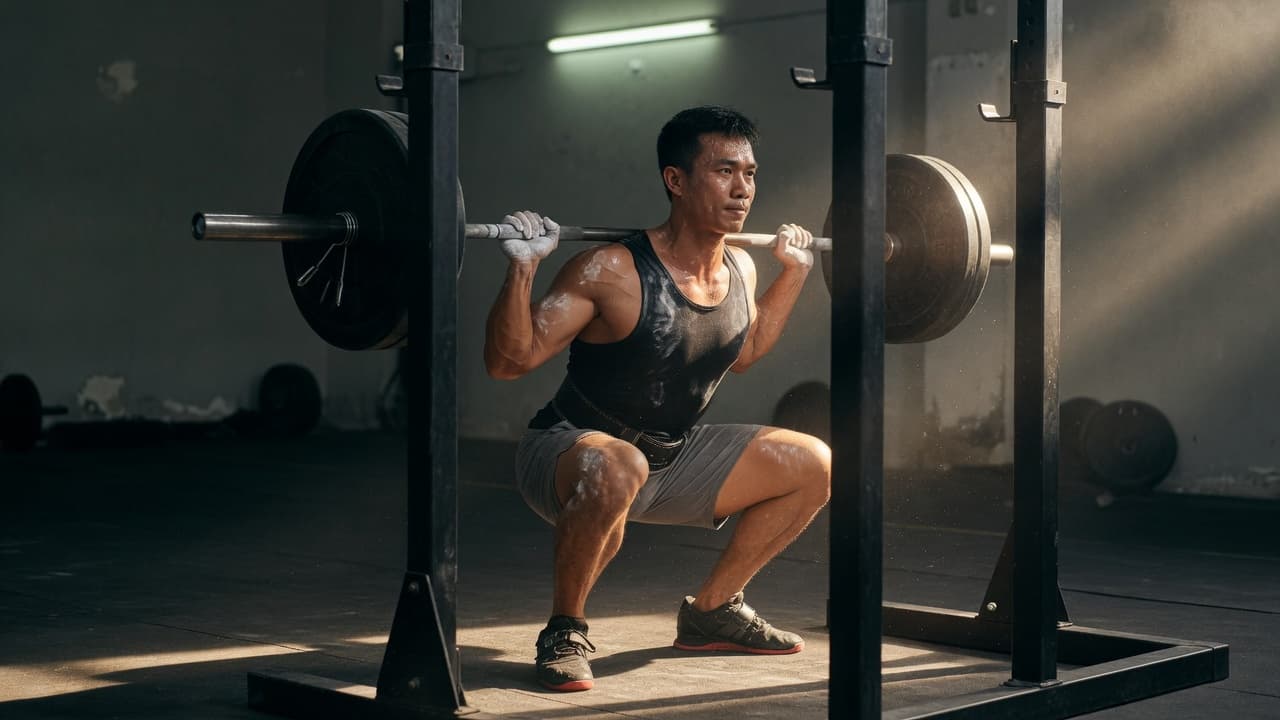
If the day includes squats, give extra attention to hips and ankles. Overall down-and-up form should still follow the points in squat form that spares the knees — warm-ups support form; they do not replace technique.
Minute-by-minute table
| Minute | What to do | Notes |
|---|---|---|
| 0:00–2:00 | Raise heart rate | March in place / easy jump rope / unloaded bike — easy breathing |
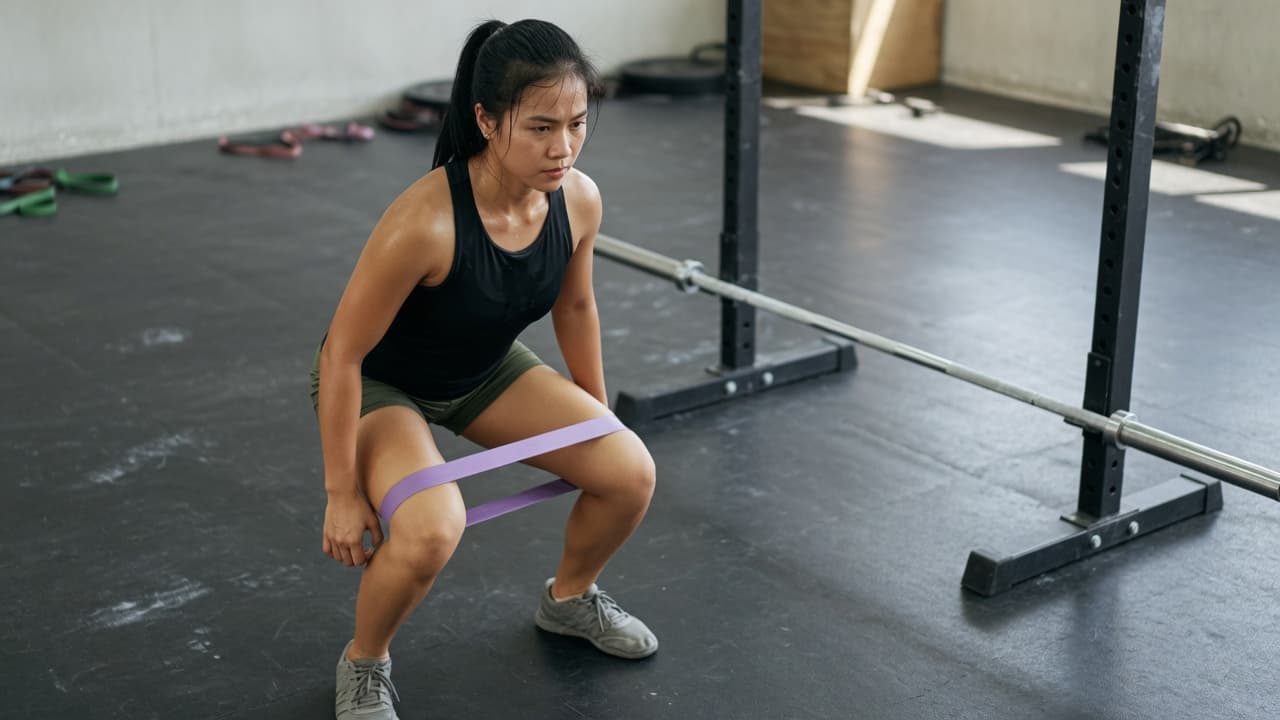
| 2:00–4:00 | Hips and ankles | Hip circles, unloaded sit-to-stand, ankle rocks |
| 4:00–6:00 | Shoulders, chest, thoracic spine | Arm circles, light band pull-aparts or shoulder circles without a band |
| 6:00–8:00 | Feeler sets of the main pattern | Empty bar or very light load, 2–3 short sets |
Minutes 0–2: raise heart rate
Pick something simple: quick marches with moderate knee lift, easy incline walk, or slow jump rope. Intensity about short-sentence conversation. A light sheen of sweat is enough; soaked shirts are not required.
Evening trainees after a sitting-heavy day should use the full top of this window (near 2 minutes). People who already walked a lot can do 90 seconds then move to hips.
Minutes 2–4: hips and ankles
In order, 6–8 slow reps each side:
- Standing hip circles: light hand support, draw circles with the knee like stirring, moderate range.
- Unloaded sit-to-stand: feet shoulder-width, lower as if to a low chair then stand; heels stay down.
- Ankle rock: short lunge stance, drive the front knee forward without lifting that heel — mild stretch in the front of the ankle.
If one hip is stiffer, give it 2–3 extra reps without blowing the whole block’s clock. Goal is smooth joint travel, not “fixing” every limitation in one session.
Minutes 4–6: shoulders and upper chest
For horizontal press, overhead press, or hanging days:
- Large arm circles front–back, 8–10 each way.
- Doorway chest openers or very light band pull-aparts, 10–12 controlled reps.
- Thoracic rotations seated or standing: turn the shoulders with the gaze; do not wrench the low back.
Avoid holding static stretches 30–60 seconds before heavy sets; save longer stretching for after the session — positions in post-workout stretching for hips, chest, and hamstrings.
Minutes 6–8: feeler sets with empty bar or light load
Match the first lift in today’s plan:
- Squat day: 2 sets × 5–8 empty bar or very light, to the planned depth.
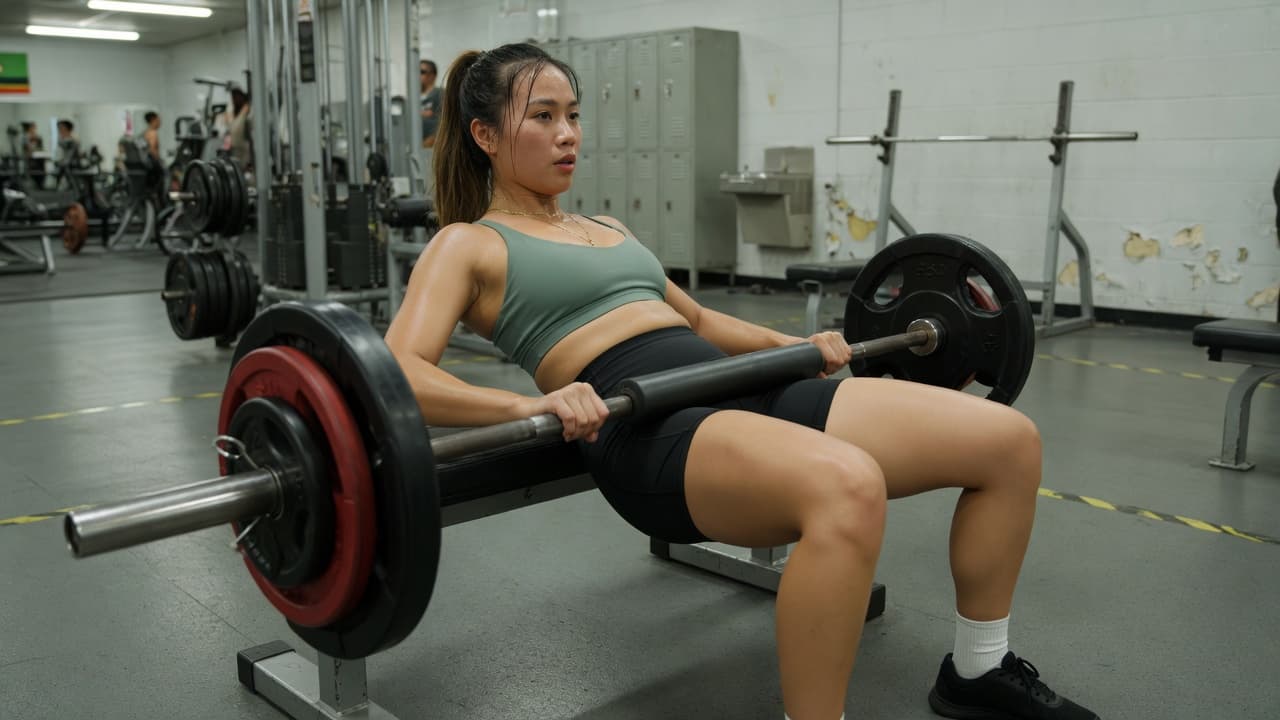
- Deadlift/hinge day: 2 sets × 5 unloaded or light-bar hinge; feel floor push and hip lockout.
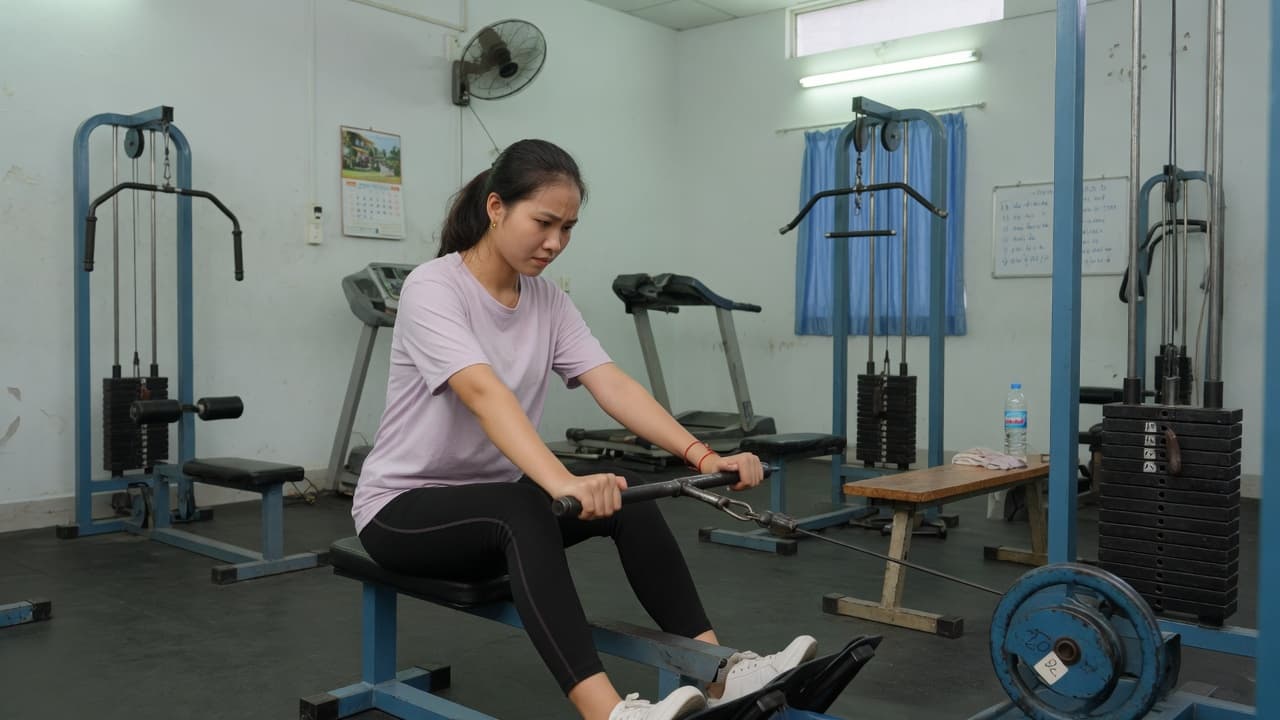
- Press day: 2 sets × 6–8 unloaded or warm-up weight; control elbows and shoulder blades.
Feeler sets are not “burnout” sets. Rest 20–40 seconds between them; adjust foot stance and eye focus. If the bar drifts or knees cave, fix it here — do not wait for working sets to notice.
A successful warm-up makes the first working set feel “on the rails,” not already tired before you start.
Tune the 8 minutes to the session type
Heavy leg day: keep minutes 0–4; steal 30 seconds from shoulders for extra ankle rocks and sit-to-stands.
Upper push/pull day: shrink hips to about 60–75 seconds; spend more on shoulder circles and pull-aparts.
Full-body day: keep the base table; feeler sets match the first compound; later lifts only need 1 light transition set.
Crowded gym: minutes 0–2 can be floor walking or in-place low step-ups; do not skip because cardio machines are full.
Common mistakes
- Long static stretching before heavy squats: can blunt short-term neuromuscular readiness for some people.
- Turning the warm-up into HIIT: you arrive at working sets already lactic.
- Skipping feeler sets because you “know the form”: most technique faults show on the empty bar first.
- Warming up 25 minutes then complaining about time: you cut the main work — priorities flipped.
- Copying a long run warm-up for a short lift session: mismatched joint and pattern needs.
After the warm-up: green lights to start
- Hips/shoulders rotate without sharp pain.
- Breathing has settled after the pulse-raiser.
- Last feeler set has a stable bar path.
- You remember planned sets/reps/loads — your head is in the gym.
If one joint hurts sharply on the unloaded version, do not add load “to test it.” Change the move or shrink range and reassess. The warm-up is a safety filter, not a lucky ritual.
FAQ
Is eight minutes enough for middle-aged or beginner lifters?
For most home or gym sessions, eight structured minutes beat fifteen random ones. If you are very stiff after a long sitting day, add 2–3 minutes of walking before the 8-minute clock, then keep the sequence. Chronic joint pain deserves a professional tweak.
Do I need to foam-roll before every session?
Not required. Short foam rolling (30–60 seconds per area) is fine if it feels good, but do not turn it into 15 minutes of rolling that eats working-set time. Prioritize heart rate, dynamic joints, and feeler sets.
No barbell at home — how do I do feeler sets?
Use unloaded patterns or very light dumbbells: goblet squat with a water bottle, hinge with hands on thighs, wall push-ups or slow floor push-ups. What matters is a movement path like the working sets — not how heavy the warm-up tool is.
Disclaimer: Warm-up guidance is general education, not a personal assessment from a coach or clinician. Stop immediately if sharp pain, dizziness, or unusual breathlessness appears during the warm-up.