A homemade shake from fresh milk, banana, and cooked egg is a fast way to raise protein–calories when you do not want whey or need a quick breakfast. The key point: do not use raw egg — Salmonella risk and rough digestion are not worth a few minutes. Boil/steam eggs fully, then blend.
Compare with food protein in protein from Vietnamese food without relying on whey. Hard gainers: weight gain for skinny hard-to-eat people.
Basic recipe (1 serving)
- 200–250 ml fresh milk (fat level: skim / 2% / whole)
- 1 ripe banana (~100–120 g)
- 1–2 chicken eggs fully boiled or steamed (peeled)
- Optional: ice, cinnamon, a few drops vanilla, 5–10 g unsweetened cocoa, or 1 spoon yogurt
- Boil eggs 8–10 minutes from a rolling boil (yolk set), cool under cold water, peel.
- Add milk, banana, cooked eggs to the blender. Blend 30–45 seconds until smooth.
- Adjust thickness with more milk if needed. Drink soon or refrigerate ≤24 hours in a sealed container.
Raw or soft-yolk eggs in a shake are not an “absorption hack” — cook thoroughly. Immunocompromised people, pregnancy, and young children especially need fully cooked eggs.
Calorie and macro estimates (reference)
| Ingredient | Approx kcal | Protein (g) |
|---|---|---|
| Milk 220 ml (varies) | 90–150 | 7–8 |
| Banana 1 | 90–110 | 1 |
| Cooked egg 1 | 70–80 | 6–7 |
| Cooked eggs 2 | 140–160 | 12–14 |
| Total with 1 egg | ~250–340 | ~14–16 |
| Total with 2 eggs | ~320–420 | ~20–23 |
Want thicker and more filling: add yogurt or a little cooled cooked oats. Want surplus: whole milk + 1 spoon peanut butter (add ~90–100 kcal).
Food safety
- Blend only fully cooked eggs; do not “crack raw eggs into the jar.”
- Wash the blender after each use — stuck protein spoils easily.
- Do not leave the shake at room temperature over 2 hours.
- Egg or milk allergy: switch to plant milk + cooked soft tofu / bean powder — do not force this recipe.
When to use a shake as a meal?
Fits: rushed mornings, quick post-workout, skinny people who struggle to finish plates, or travel days. Not ideal as 3 meals/day long term: you still need chewing, vegetable fiber, and micronutrient variety. A shake patches gaps; it is not a forever menu.
Versus whey: whey is convenient with higher protein per gram, but egg–banana–milk uses Vietnamese supermarket staples, no import dependency, plus potassium from banana. Alternate: whey on training days if you have it, homemade shake on ordinary days.
Cooked-egg texture differs from raw — thicker, mild egg smell if the banana is underripe. Use spotted-ripe bananas, add cinnamon or cocoa, and blend long enough. If still unpleasant, drop to 1 egg and add more yogurt.
Fit shakes into training and rest days
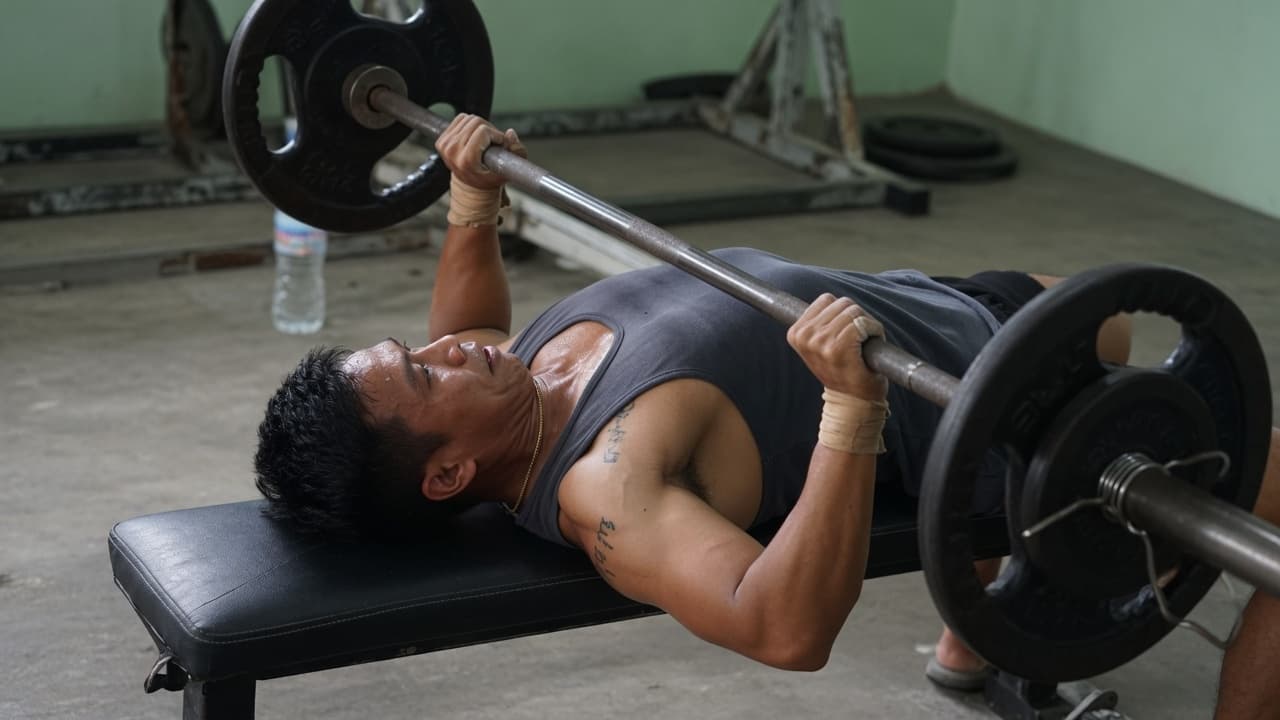
Strength days: drink within 1–2 hours of the session (before if you could not eat, or after if the next meal is far). Rest days: use as a fast breakfast then eat a normal vegetable–rice lunch. Do not stack a shake “on top” of an already full calorie day if you are cutting — replace a low-protein meal instead of adding a fourth layer.
Prep the night before: boil eggs, chill; morning just peel and blend with banana–milk. A dirty blender left overnight spoils easily — rinse right after drinking. Commuting: ice pack or fridge; discard if it has been warm for hours.
FAQ
1. Soft-boiled eggs okay?
Not recommended for everyday shakes. Use fully cooked eggs to lower food-safety risk.
2. Can I swap fresh milk for sweetened condensed milk or cream?
Sweetened condensed milk spikes sugar — use sparingly only for intentional surplus. Cream jumps calories hard; prefer milk and measure portions.
3. Can a shake replace rice-and-vegetable dinner?
Occasionally when busy. Do not replace all week long — missing vegetables and social eating habits makes you bored and low on fiber.
General cooking and nutrition guidance, not medical advice. Egg/milk allergy, kidney disease, or special protein prescriptions: ask a professional before using daily.