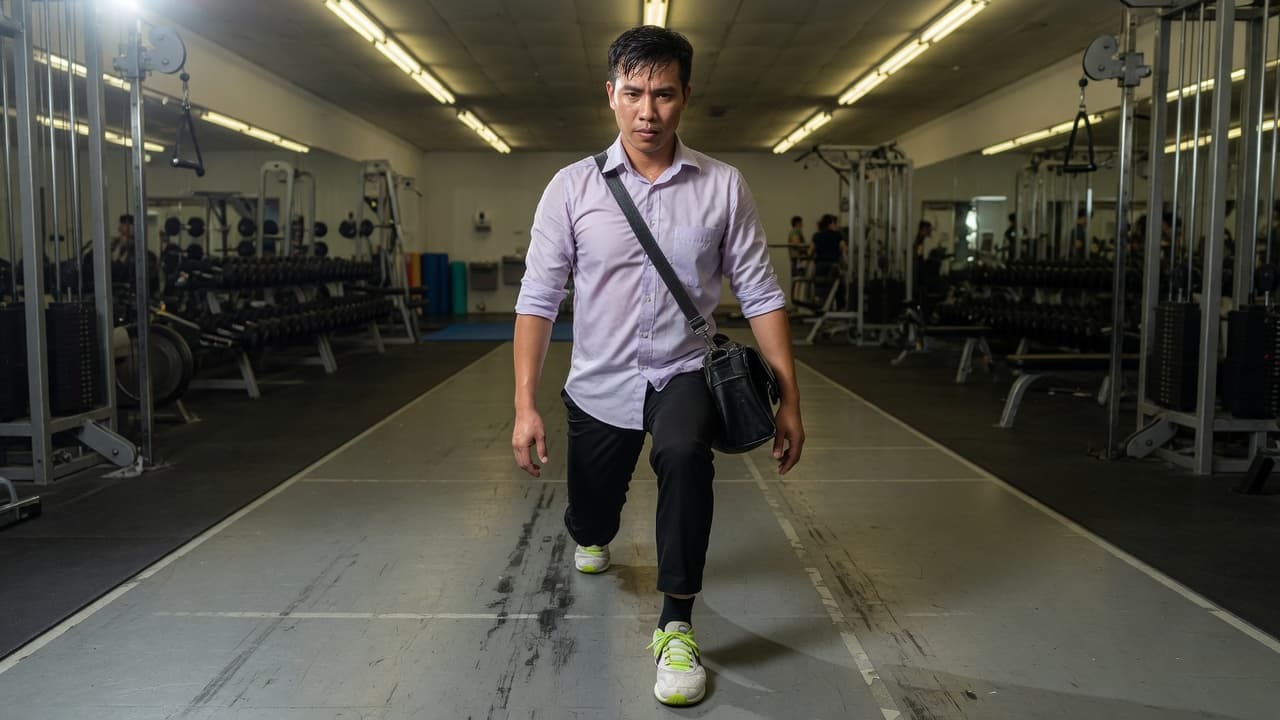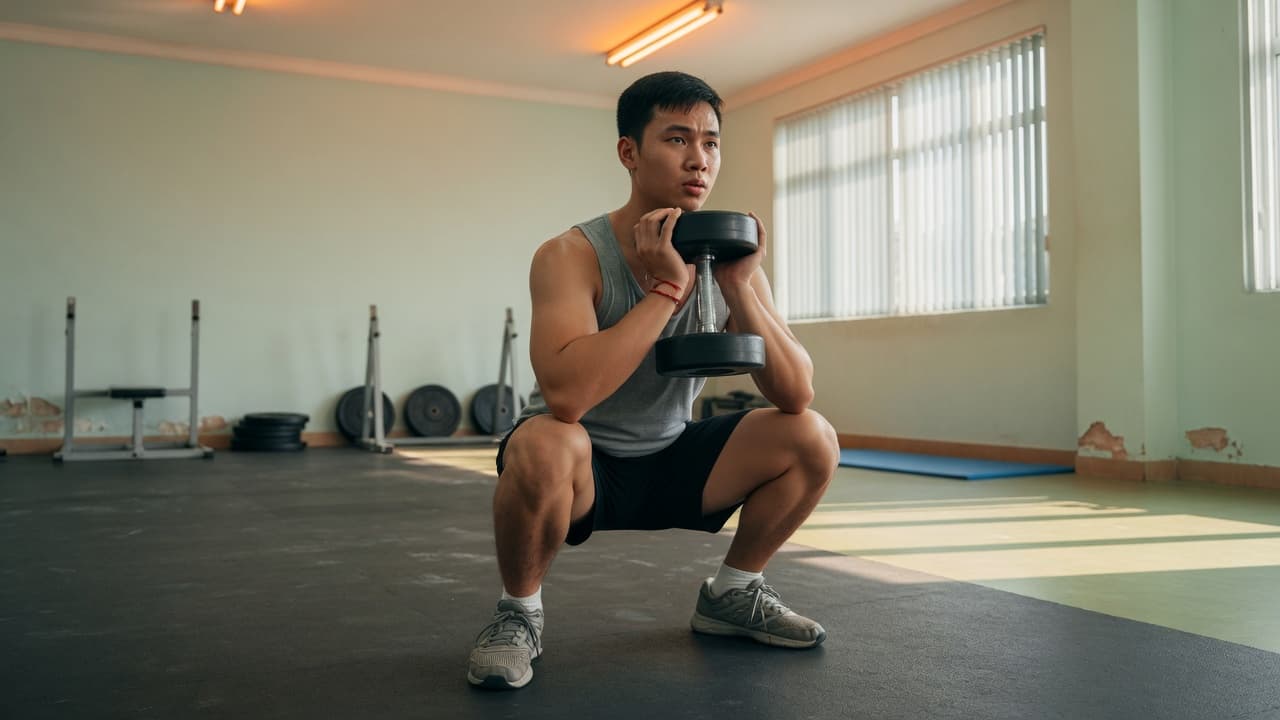
Training with a friend can pull you to the gym on time — or turn the session into chatting, ego lifts, then both of you quitting when one gets busy. The key is not “partner or no partner,” but a hard time appointment, a solo backup plan, and keeping your RPE instead of racing loads for Instagram stories.
This piece is for people who want the social upside of partner training without depending on the other person just to put on gym clothes.
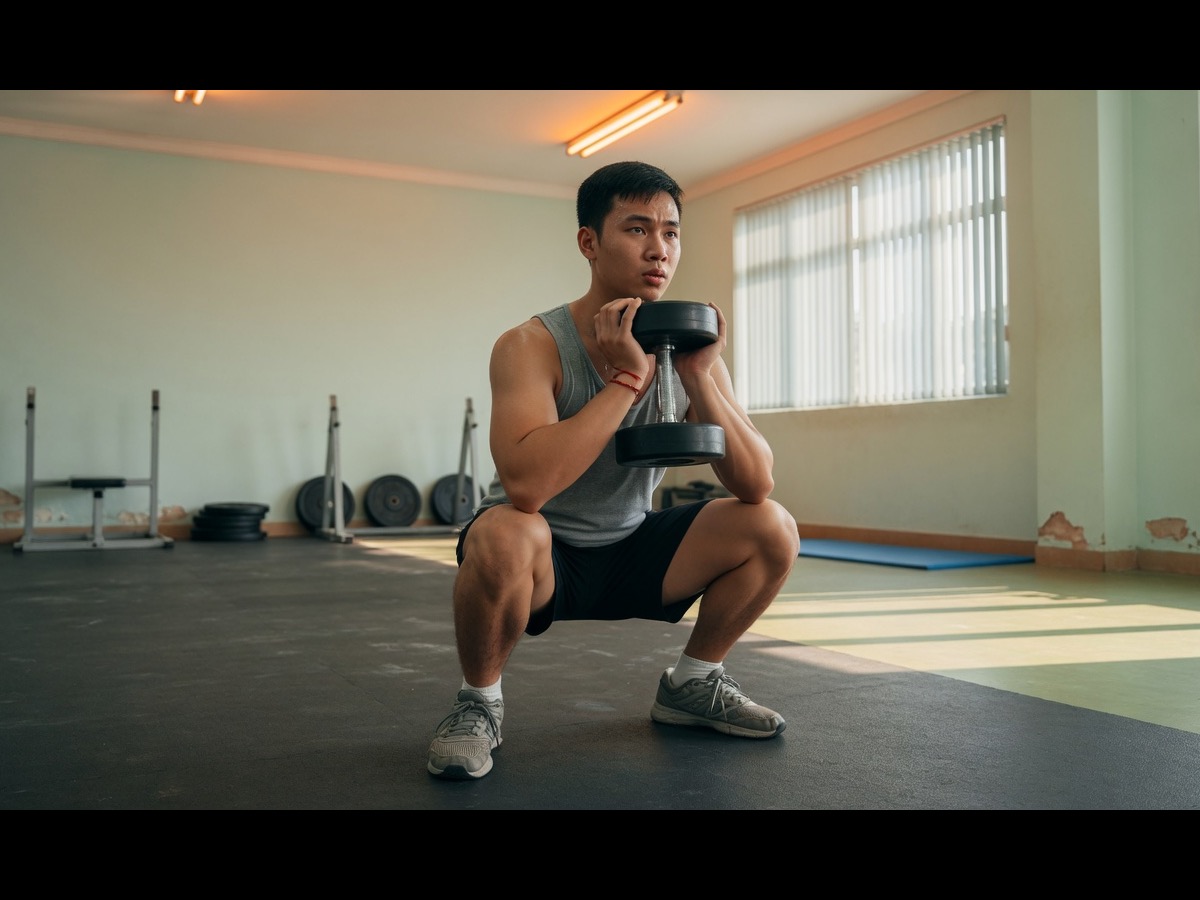
Real benefits of training with a friend
- More on time: harder to “maybe tomorrow” after a confirmation text.
- Safer spotting on heavy sets (if both know how to spot, not just stare at phones).
- Less boring: especially early on when the gym still feels foreign.
Benefits turn into risk when you only go when they are free, or you add load from embarrassment while form is breaking. A partner is an adherence tool, not the existence condition of the habit.
Appointment rule: calendar before feelings
Pick 2–4 fixed weekly slots (e.g. Tue–Thu–Sat at 6:30 p.m.). Send a same-morning confirmation: “6:30 still on; I go solo if you are more than 15 minutes late.” That second sentence matters — it announces the session is not canceled because one person is stuck in traffic.
- Put it in the phone calendar with a reminder.
- Agree on the location and main lifts (squat / hinge / push / pull) before arriving.
- Limit mid-set chatting — talk on rests; do not stretch rests into 8 minutes.
A trustworthy training partner is someone who still finishes the session when you are absent.
Solo backup: a 25–40 minute minimum session
When you cancel because “they cannot go,” you are practicing delay. Keep a solo session ready:
- One main compound + 2 accessories + short core.
- Or a 30-minute home plan if time is tight — see 30-minute home training without machines.
- Very busy day: a 20-minute walk still counts as “show up,” not failure.
Log how many sessions this week were solo. If >50% of sessions depend on the other person, tighten your personal schedule.
Your RPE, not ego lifts
Ego lifting means adding load because they are standing there, even with 0 reps in the tank or ugly form. Instead:
- Agree each person has their own load chart; same kilograms are not required.
- Use rough RPE: “2–3 reps left” for most working sets.
- The stronger person can rest less or add accessories — do not force the other to match.
Spot correctly: ask which rep needs help; do not yank the bar while they still control it; do not film strangers behind you to “flex the duo.”
Sharing machines and Vietnam gym peak hours
At peak times, two people camping one machine too long creates friction. Polite approach:
- Alternate sets on hot machines; invite waiting people into your rest when reasonable.
- Prioritize free-weight/compounds first, isolation machines later.
- Do not spread plates across five benches “holding spots” while making coffee.
Collar safety, asking for racks, and not filming strangers still apply when training as a pair — good gym culture makes both of you want to return.
When to temporarily split sessions
- One person is peaking for a meet/PR cycle; the other is returning after injury.
- Every session becomes 90 minutes of talking and 20 minutes of training.
- Body comparison or extreme diet pressure appears between you.
Splitting 2–4 weeks, each running their own plan, then meeting again for a few light technique sessions is a mature choice — not “end of friendship.”
Short agreement sample (can text once)
- Fixed time; more than 15 minutes late and the other starts solo.
- Each person brings their own program/load notes.
- No forced PRs; no teasing form in front of a crowd.
- Busy weeks: say so ahead of time; silence should not become last-minute cancels.
The agreement sounds dry, but it is what keeps the friendship and the muscle at the same time.
FAQ
My friend likes cardio and I like lifting — can we still train together?
Yes if you split the front of the session: 30–40 minutes lifting together or in parallel, then each does their own cardio/direction. Do not turn every session into Zumba if your goal is strength.
Should we use the same app program?
Only when levels and schedules are close. Beginners should not copy a 3-year lifter’s volume. Better: same day, different loads, same light progressive-overload principles.
Does partner training burn fat faster?
Indirectly: if you are more consistent and miss fewer sessions. Having a partner itself does not burn extra fat if calories and sleep are still chaotic. Consistency + a mild deficit remain the core — see also holding the plan when early weeks are noisy.
Disclaimer: Education on social training habits and gym safety — not a substitute for personal coaching or medical advice when you have injury, chronic disease, or exercise contraindications.