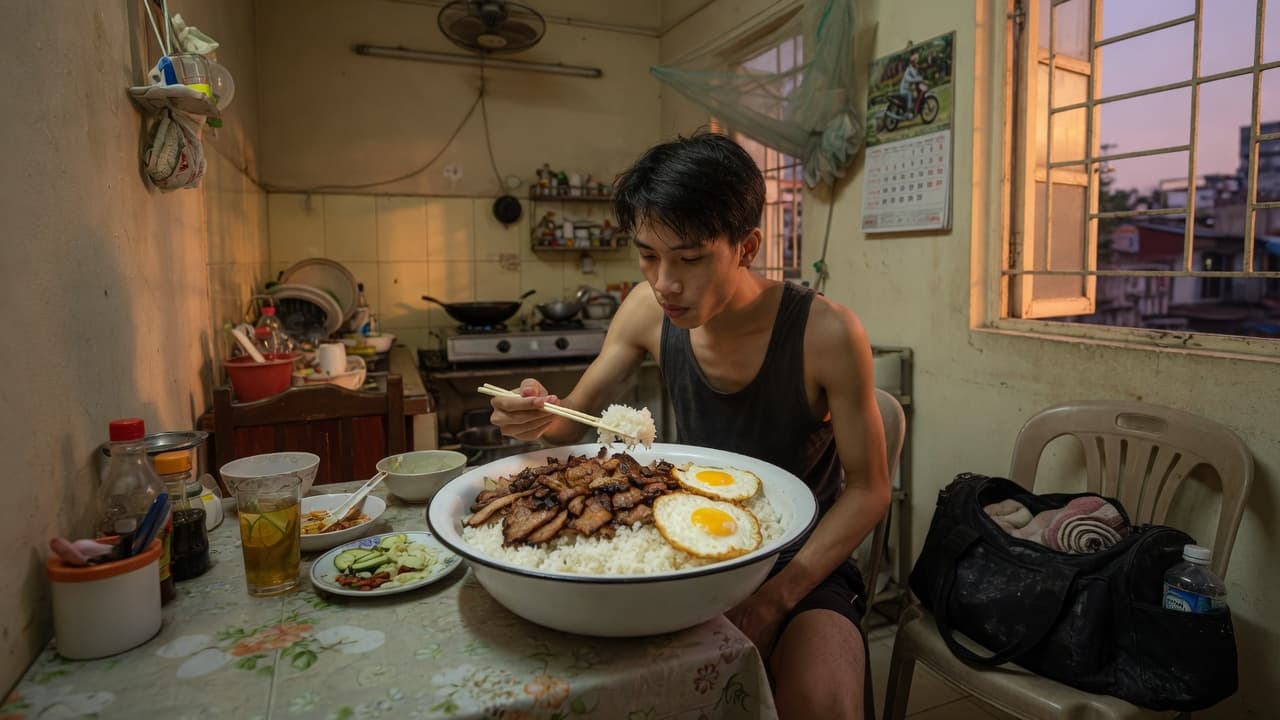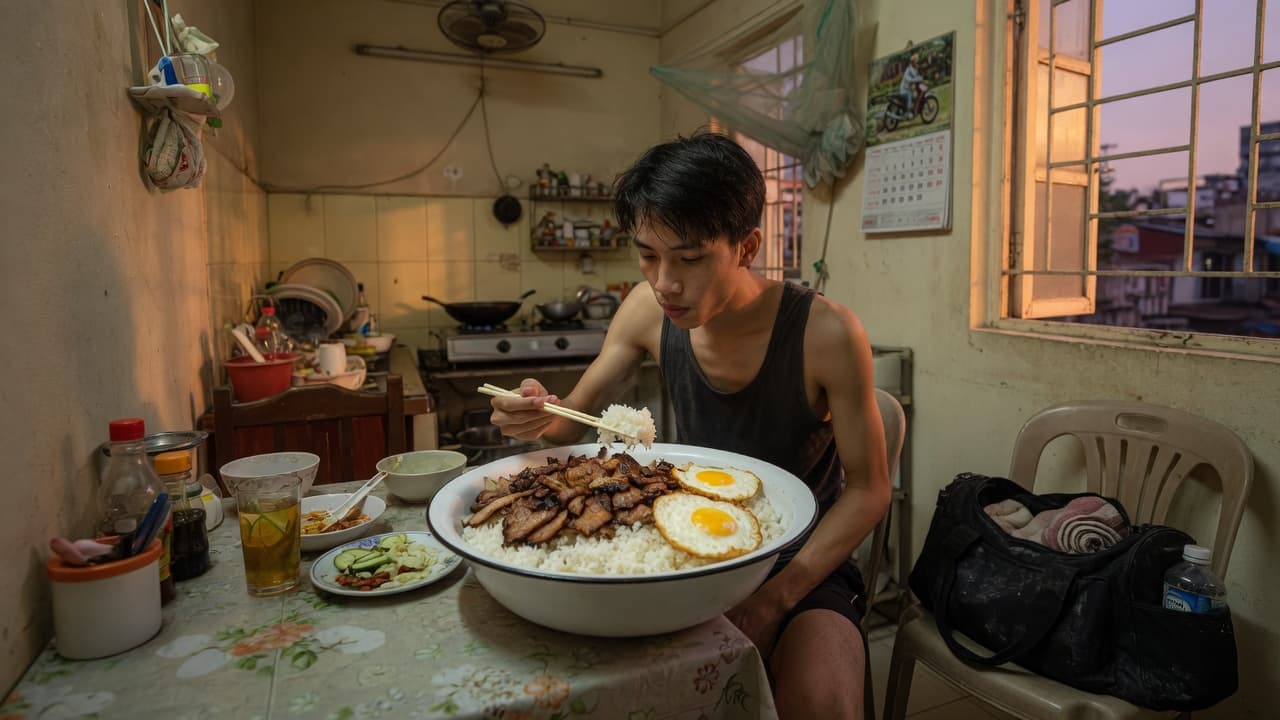
A meal around 50,000₫ (depending on time and region) can still hit enough protein if you prioritize eggs, tofu, small fish, and lean meat sold by the kilo instead of imported chicken breast or fried takeout. This article gives three Vietnamese-market breakfast–lunch–dinner samples with protein estimates — no expensive brands.
For weekly batching, see 90-minute meal prep. The home-food protein base is in Vietnamese food protein.
Principles to stay near ~50k with protein
- Buy by the kilo at markets or supermarket deals, not pricey ready meals.
- Each meal has one clear protein source: eggs, legumes, fish, lean meat.
- Ordinary rice + seasonal vegetables — cheap and filling.
- Limit bottled soft drinks in the meal budget (costs money and empty calories).
50k is a flexible regional reference. Adjust amounts — do not drop the protein column.
Sample breakfasts (~35–50k depending on place)
- 3 eggs + bread or lightly fried leftover rice + cucumber: ~18–20 g protein.
- 2 eggs + cup yogurt + banana: compact for work.
- Egg porridge or mung-bean porridge + scallions: easy on rainy/mildly sick days.
Home iced coffee without sugar is cheaper than buying it with a sweet pastry.
Sample lunches
| Meal | Portion tip | Estimated protein |
|---|---|---|
| Rice + small braised fish + boiled greens + soup | 120–150 g fish, moderate rice | ~25–35 g |
| Rice + tofu in tomato sauce + boiled egg | 150 g tofu + 1 egg | ~20–25 g |
| Noodles + tofu/lean meat + lots of herbs | Less noodle if cutting calories | ~20–30 g |
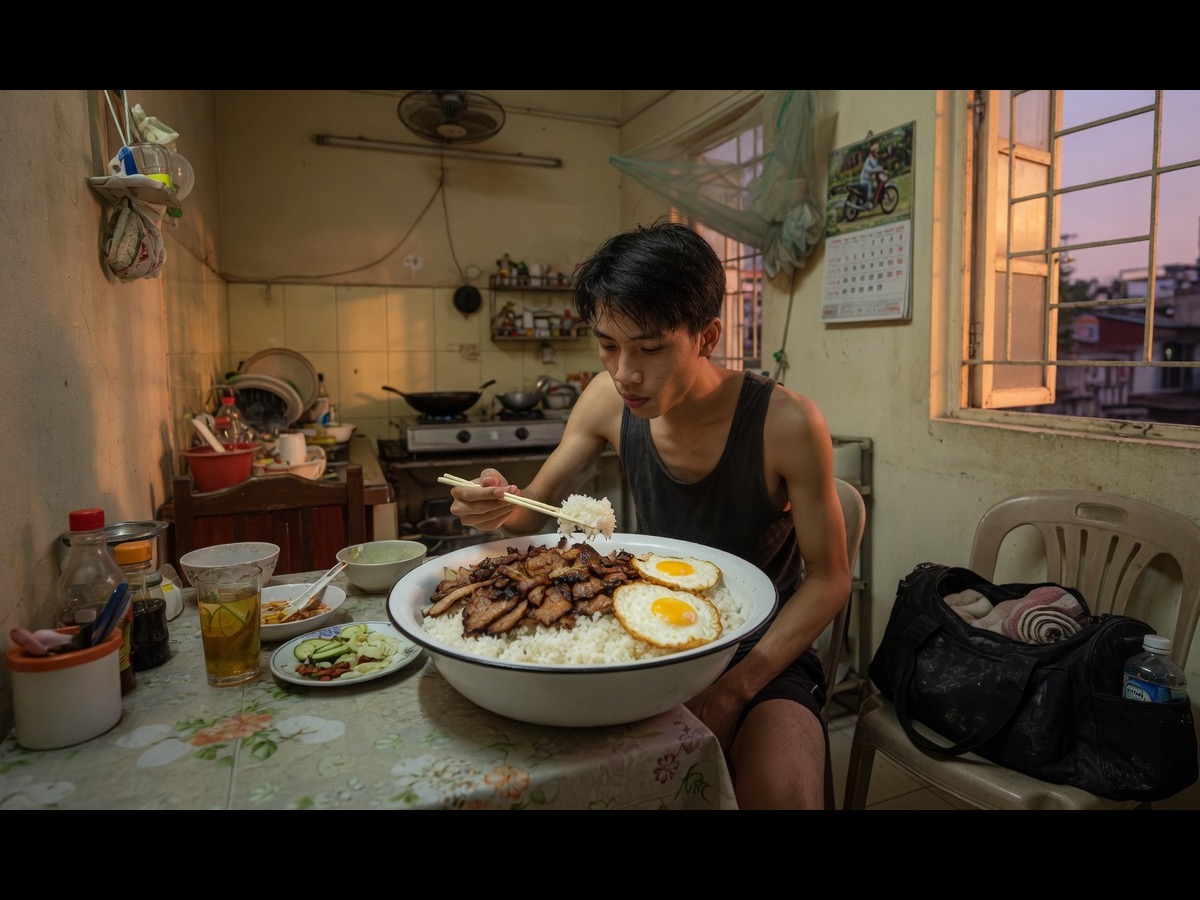
| Rice + 2 fried eggs + vegetables | Add a little braised dried fish if available | ~15–20 g+ |
Short-bodied scad, silver fish, and canned fish (less sweet sauce) are usually cheaper than imported fillets. Lean pork shoulder/leg by the kilo braised in one pot covers two days.
Sample dinners
- Sour fish soup + rice + greens: bright and high volume.
- Stuffed or braised tofu + egg + boiled cabbage.
- Egg cake with a little minced meat + sweet-leaf soup — control the oil.
Heavy training days, keep rice; low-activity days, raise vegetables and keep protein. Do not cut eggs to “save money” then buy packaged snacks — you usually lose both cash and macros.
Weekend market list (reference)
- 10–30 eggs depending on household size.
- A few firm tofu blocks.
- 0.7–1 kg fish or lean meat split across meals.
- 1–1.5 kg seasonal vegetables; scallions and garlic.
- Enough rice for the week.
Cooking one braise/tofu pot on Sunday means office lunch is just grabbing a box — see the lunch-box article if you need carry samples.
Traps that blow budget and calories
- Milk tea and sweet pastries “to hold you” every afternoon.
- Fried delivery whose shipping costs more than eggs+rice at home.
- Unmeasured cashew snacking — expensive and calorie-dense.
- Vegetables-only with no protein, then starving into a restaurant dinner.
Keep a 7-day spend note once: you will see drinks and snacks are the leak, not eggs and vegetables.
When prices swing, keep the “cheap protein” column flexible: scad this week, eggs + tofu next, lean pork on sale after that. Do not lock onto one expensive chicken breast then quit over budget. Home aromatics — scallion, garlic, lemongrass, chili, pepper — keep repeats edible.
Living alone, cook double dinner for tomorrow’s lunch so you do not fall into expensive delivery. For two people, split kilo ingredients; macros still adjust via rice and oil on the plate as in the one-pot-for-two article.
FAQ
1. What if I do not eat fish?
Rotate eggs, tofu, lean meat, yogurt. Protein does not require expensive sea fish.
2. Is 50k/meal enough for heavy trainers?
Usually yes if the day hits protein and calorie targets. Very high surplus needs may add snacks (milk, banana, bread) — still can stay cheap.
3. Is eating many eggs a problem?
Healthy people usually tolerate a few eggs/day in a varied diet. Lipid disorders or personal medical orders follow the doctor.
Prices are illustrative by time and region. This article does not replace clinical nutrition advice. People with gout, kidney disease, diabetes, or food allergies need professional menu adjustments.