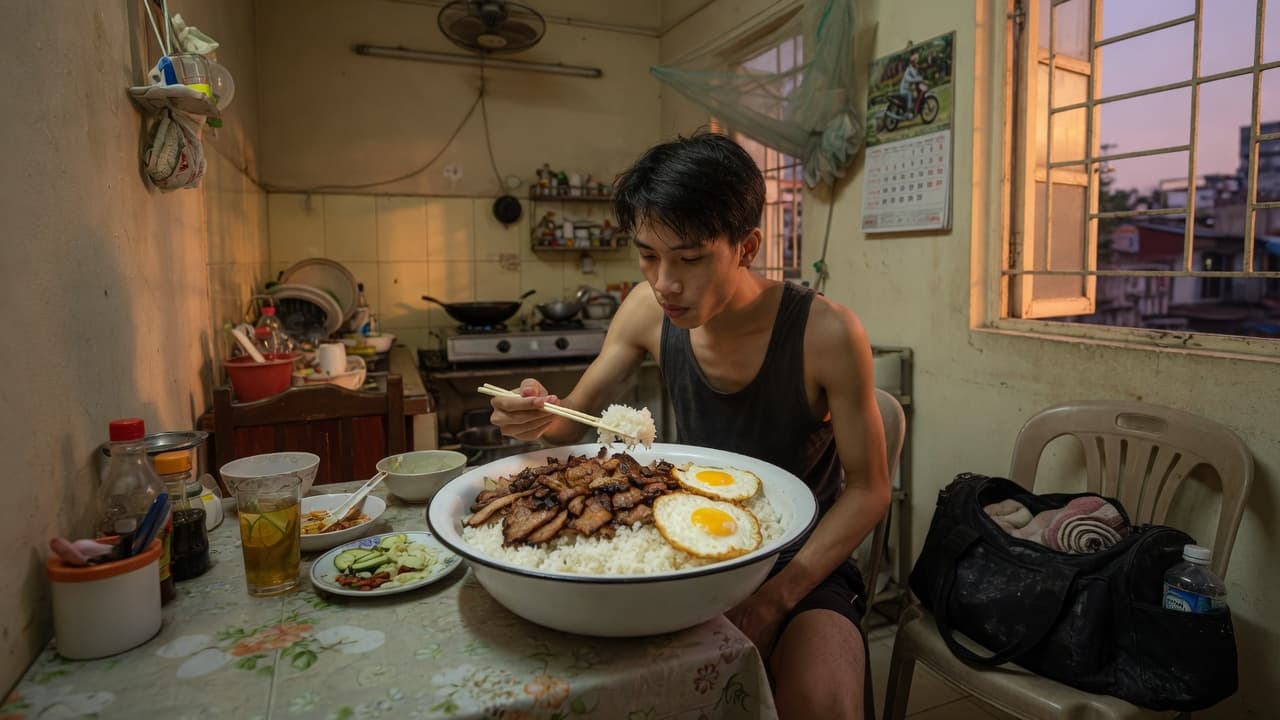
Want lasting fullness while cutting as an office worker? Add soup (canh) and nộm — high volume, low calories — instead of pouring more oil for “richer flavor.” This is not a detox or cleansing juice; it is how you fill a home rice plate while the deficit still lives.
Volume-eating base: eat full while still in a deficit. Weekly menu: 7-day fat-loss menu that still fills you up.
Why soup and nộm fill longer than fried food
Water, fiber, and more chewing signal fullness earlier. A gourd soup plus green-papaya nộm before or with rice slows you down; you often finish hungry with less rice and less oil. Protein remains mandatory — soup does not replace fish/meat/eggs.
- Soup with little floating oil: ~40–100 kcal/bowl depending on meat.
- Lime–garlic–chili–moderate fish sauce nộm: low calorie if sugar is light and peanuts are not heavy-handed.
- “Shiny oil” stir-fried greens easily double–triple energy vs boiled/nộm.
Volume means more vegetable–water bulk — not zero-soda then more cake.
Office meal template
- Open with a soup bowl (gourd, sweet leaf, light sour fish soup, mushrooms).
- Main plate: palm protein + fist rice + boiled vegetables.
- Add-on: nộm or cucumber/tomato if you still want to “nibble.”
- Dipping sauce: dilute; dip the chopstick tip.
| Instead of | Switch to |
|---|---|
| Greens with half a ladle of oil | Boil + nộm or stir-fry with 5 ml |
| Dry rice and meat only | Rice and meat + soup first |
| 4 p.m. fried snack | Lunch full of soup–nộm; afternoon yogurt if needed |
| Nộm loaded with peanuts and sugar | Fewer peanuts, less sugar, more vegetables |
Quick nộm recipe (1 plate)
- Shredded papaya/cabbage/carrot ~200–250 g
- Lime, garlic, chili, 1–2 tsp fish sauce, little or no sugar
- Herbs; crushed peanuts ~5–10 g if you want crunch
- Optional boiled shrimp or tofu to make a light meal
Soup is not “salt water”
Season moderately so you can eat plenty of vegetables in the bowl. Too salty → thirst and water retention (see salt and body weight). Skim floating fat. Meat in the soup counts toward daily protein — do not treat it as “just broth” then casually add another large meat portion on a tight cut.
Meal prep: cook 2 soup pots early week (sour + vegetable), fridge 3–4 days; make nộm same day for crunch. Office lunch: protein–rice–veg box + separate soup to reheat or sip warm.
Eating out: order extra raw greens/nộm, ask for soup if available, and leave the phở/bún oil layer. Carrying the same volume logic from home to restaurants reduces dependence on “perfect clean eating.”
Office fat-loss fails often from afternoon hunger and evening fried delivery. Soup–nộm at lunch is prevention, not punishment. Keep protein high; volume is only a bulk buffer.
Sample ~1,700 kcal day that feels full
Breakfast: eggs + vegetables/tomato, unsweetened tea. Lunch: soup first, moderate rice, fish or lean meat, cabbage nộm. Afternoon (if needed): yogurt or apple — optional if lunch filled you. Dinner: vegetable soup, tofu or shrimp, less rice than lunch, cucumber. Large volume from water and fiber; oil stays low. Training days, add a little rice or banana around the session instead of fried extras.
Weekend parties: same logic — order vegetables/salad first, share fried portions, drink water. Volume is a portable skill, not a prison menu in your kitchen.
FAQ
1. Does drinking soup first leave you nutrient-short?
Not if the meal still has enough protein and starch. Soup only changes eating order.
2. Can lots of nộm cause bloating?
Some people are sensitive to raw cabbage — reduce amount, shred thinner, or switch cucumber/tomato. Eat slowly.
3. Must every meal include soup?
No. 1–2 meals/day with soup or nộm already differs clearly from rice–meat–oil alone.
General eating guidance — not a detox protocol or disease treatment. IBS, heart failure, or fluid/sodium limits: follow your clinician.