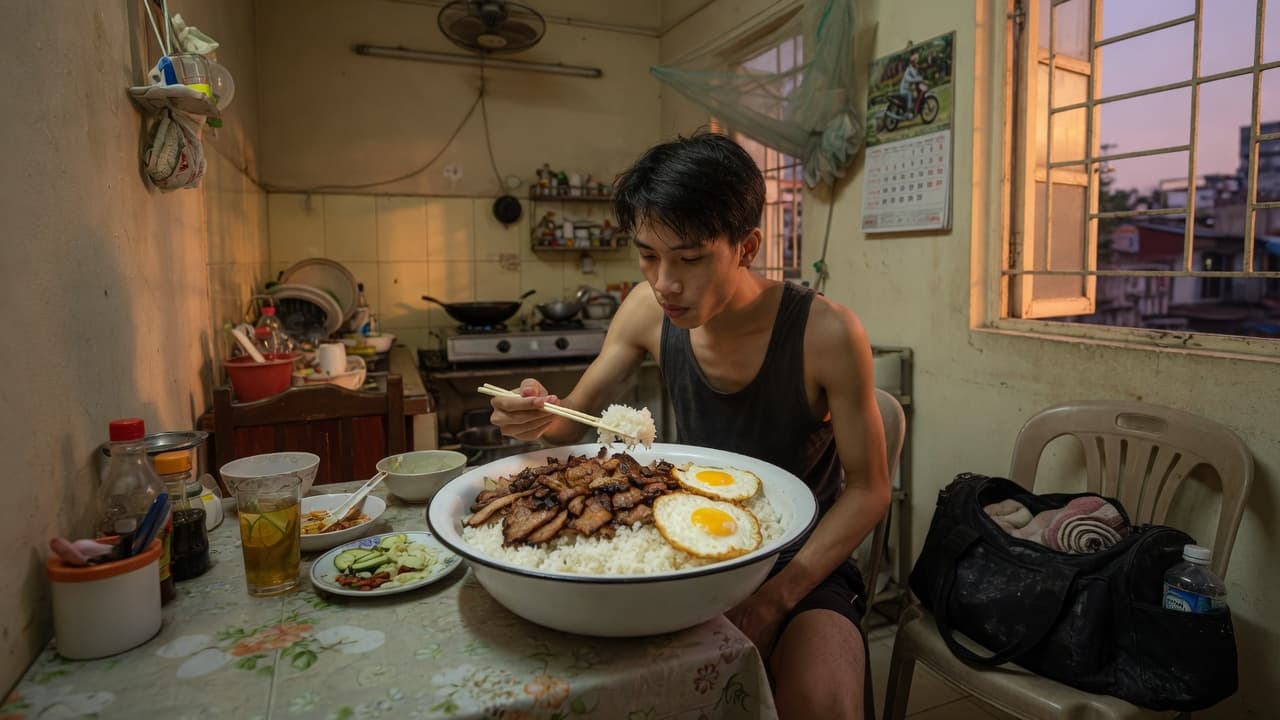
A calorie deficit does not force you to cook every meal. Phở, bún, and cơm tấm can still support fat loss if you edit the plate: add vegetables, skip soft drinks, adjust rice/noodles, and choose lean cuts instead of stacking fried sides. The goal is the weekly average, not one “clean” bowl then blowing dinner.
Pair with volume thinking in eat full while still in a deficit and weekend budgeting in weekend 80/20.
Three dials for every Vietnamese eatery
- Drinks: water / unsweetened iced tea instead of soft drinks and milk tea.
- Vegetable volume: ask for extra bean sprouts, herbs, cucumber, lettuce.
- Starch and oil: rice/noodles to appetite; limit fried dough sticks, fried skin, and finishing every fatty broth.
One large soft drink can equal a portion of rice — cutting that is often “cheaper” than cutting all starch.
Phở, bún, hủ tiếu
- Ask for lots of herbs, enough lean meat, less noodle if cutting hard.
- Skip or minimize fried dough sticks; do not drink all the floating fat if the broth is cloudy and rich.
- Add rare lean beef / chicken / beef instead of lots of fried sausage.
- A well-edited bowl is often hundreds of kcal below a “full fried-topping” bowl.
Eat slowly and let noodles expand in the broth. Fullness arrives sooner with clear vegetables and protein.
Cơm tấm, chicken rice, office rice
| Habit | Change to | Why |
|---|---|---|
| Ribs + skin + sausage + egg + soft drink | Ribs or chicken + egg + lots of pickles/veg, water | Less fried skin layers and liquid sugar |
| Mountain of rice | Ask for moderate rice or leave 1/3 | Main calorie dial |
| Pouring lots of sweet fish sauce | Light dips, add lime and chili | Liquid sugar overshoots easily |
| Eating all the roast-chicken skin | Less skin, more meat | Lower energy density |
Boiled chicken rice is usually easier to control than oil-drenched chicken rice. If oil-drenched is all there is, add raw vegetables and skip sweet drinks.
Grill, hotpot, buffet — still workable
Grill: prioritize seafood, breast, vegetables; limit heavily sugared marinades and constant sweet drinking sauces. Hotpot: load vegetables and mushrooms, moderate meat, limit fried balls; sip less broth if it is very fatty. Buffet: round 1 protein + vegetables, round 2 moderate starch, sweets only a taste if the weekly budget remains.
- Stand up for vegetables before fried food.
- Put the phone or chopsticks down between rounds — avoid autopilot eating.
- At home afterward you do not need a “punishment fast”; eat normally the next day.
Delivery and social pressure
When ordering delivery, remove soft drinks from the cart before checkout. Note “less oil, extra vegetables.” Dining with a group, order a shared vegetable plate — cheap and slows the table. You do not need to announce a diet; just default to smart choices.
On days with 1–2 restaurant meals, keep the other meals home-style: eggs, yogurt, rice–fish–vegetables. Deficits survive when most weekdays are free of liquid calories and stacked fried layers.
Estimate the week instead of fearing every bowl
Suppose need is ~2,000 kcal and you want ~1,700 on average. One ~800–900 kcal restaurant night is fine if other meals are tidy and drinks are unsweetened. A common mistake is restaurant eating then “punishing” yourself by skipping breakfast — that breeds hunger and another blowup.
Track 2–3 weeks: weight, waist feel, training consistency. If stuck, cut soft drinks fully and trim one restaurant rice portion before abandoning favorite dishes.
FAQ
1. Does morning phở make you fat?
Phở itself does not “make you fat.” Day and week totals decide. A moderate bowl, few fried sticks, no sweet drink still fits a fat-loss plan.
2. Will asking for less noodle offend the shop?
Rarely. Say clearly you want less noodle and more herbs. Many shops are used to edited bowls.
3. Should I only eat salad when eating out?
Not required, and it often underfeeds protein–carbs around training. Editing familiar plates lasts longer than an “only greens” rule that then collapses.
Guidance for eating-out choices only — not medical advice or a therapeutic menu. People with diabetes, gout, kidney disease, or special diets should ask a professional before changing habits.