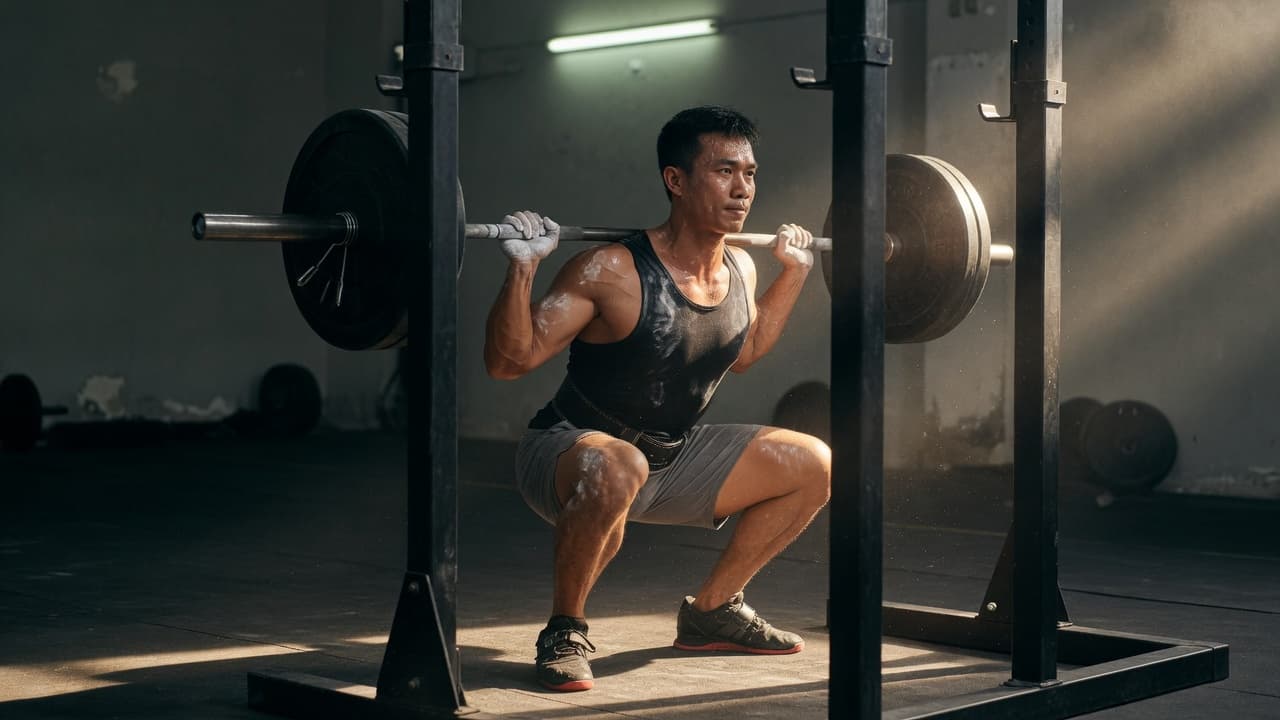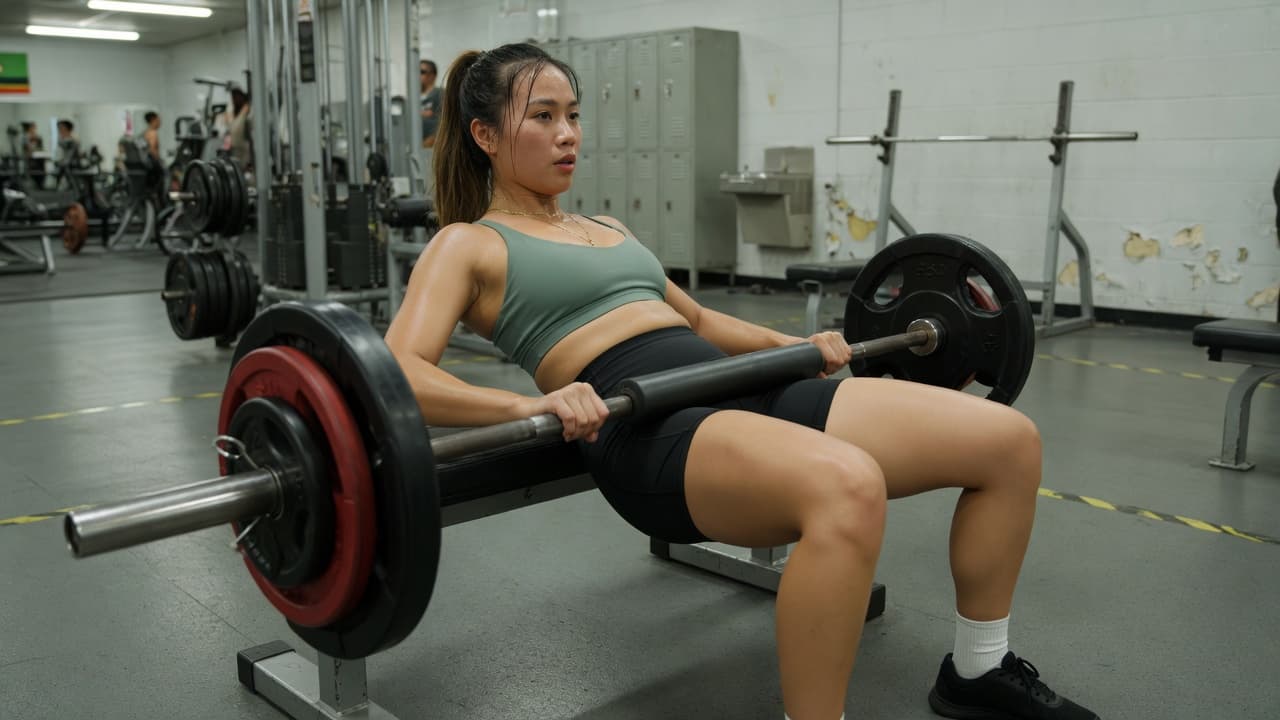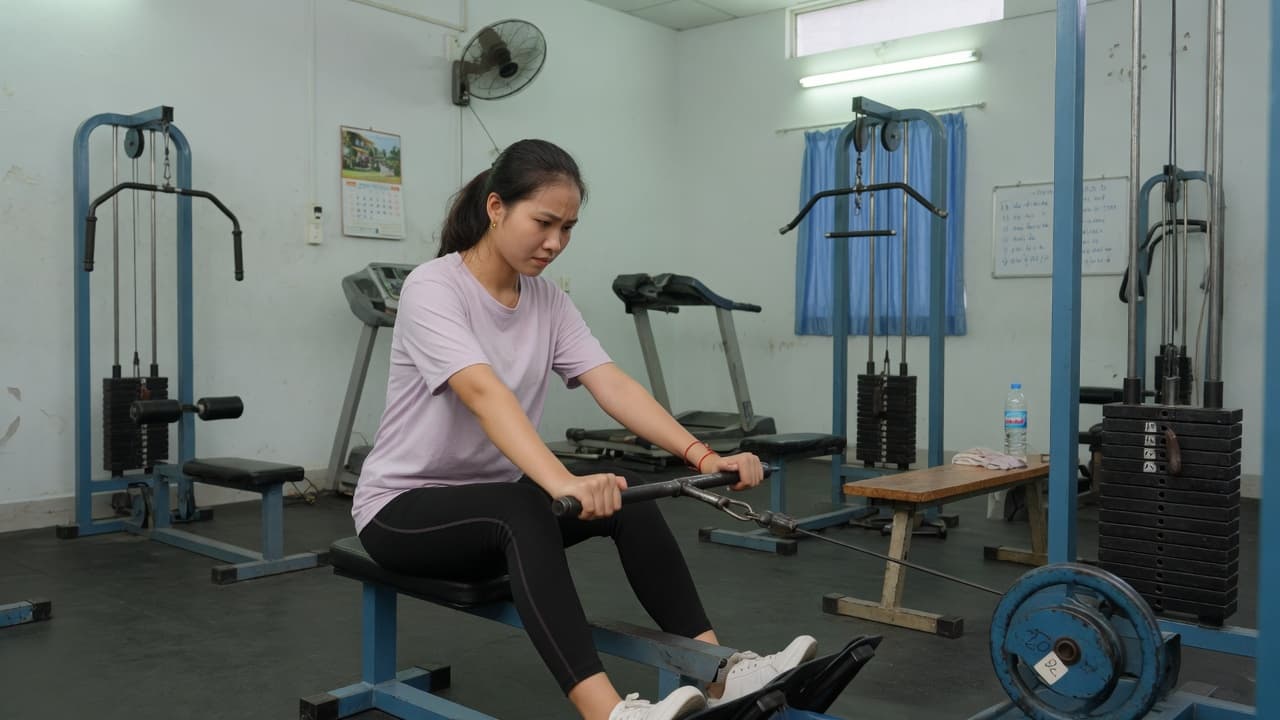
After a heavy squat day, stiff, tender thighs when you sit is familiar. After a knee slip or a “pop” with hot swelling is something else. Many people lump both under “pain,” then either grit through more sets or quit the gym for a month. This piece helps separate post-training soreness (DOMS) from signals to rest or get checked — not to self-diagnose disease.
Goal: know when easy walking and extra sleep are enough, when to deload, and when to stop and see a clinician. An internet checklist does not replace a clinical exam when signs are serious.
What DOMS usually looks and feels like
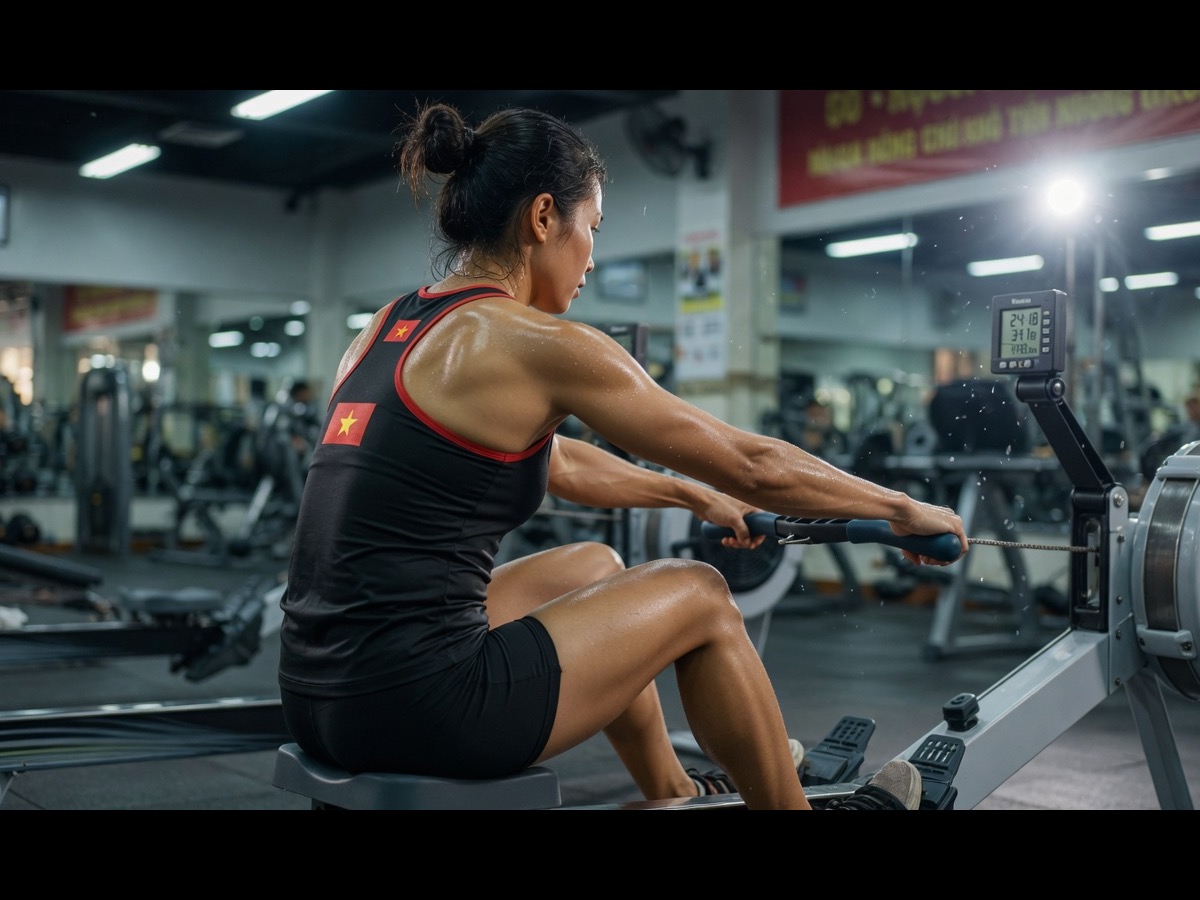
Delayed onset muscle soreness often shows up about 12–24 hours after a new or higher-volume session, peaks around 24–72 hours, then eases. It usually feels tight, heavy, tender to touch or at end range — spread across the working muscle group, not a fixed sharp point inside a joint. You can still walk; light pressure on the muscle belly may hurt a bit without clear hot swelling. This kind of pain often eases after a light warm-up or a short walk.
- Timing: delayed after the session, not sharp mid-set.
- Location: muscle belly just loaded, often symmetric if both sides trained evenly.
- Quality: tight, sore, diffuse ache; rarely “stabbing.”
- Course: improves over a few days with enough sleep and food.
Signs tilting toward injury or something to watch
Not every joint pain is a torn ligament, but the signals below should not be labeled “DOMS” so you can keep maxing:
- Sharp, cold, or “shooting” pain during the movement, especially at a joint (knee, shoulder, ankle, low back).
- Clear swelling, heat, redness around a joint or deformity vs the other side.
- Loss of function: cannot bear weight on the leg, cannot raise the arm overhead, or sudden weakness.
- A pop with acute pain during training, then rapidly worsening pain.
- Numbness or tingling radiating into an arm/leg, or back pain radiating down a leg.
- Pain not easing after 5–7 days despite unloading that area, or night pain that repeatedly wrecks sleep.
DOMS makes the toilet seat unpleasant after leg day. Injury often makes you fear or fail basic moves you could do before.
When to train light, when to stop
Typical muscle soreness: keep the schedule but cut load 10–20% or drop accessory sets. Prefer controlled range, a longer warm-up, and active recovery like walking — see what to do on a rest day when you are sore. Protein and sleep still beat “miracle cream.”
Mild joint pain, no swelling: avoid pain-triggering moves for a few sessions; swap variants (e.g. machine instead of free weight if better). No PR attempts. If after 3–5 days of reduced load the spot is still sharp, stop that area and consider getting checked.
Fever, hot swelling, loss of function, radiating numbness: rest the related area (often whole-body rest if you feel systemically bad). This is not “grit for toughness.” Note the mechanism (fall, twist, sudden load) to tell the clinician.
Common mistakes
- Take painkillers then chase a PR because “the pain is gone.”
- Aggressive stretching or foam rolling directly on a sharp pain point.
- Blame everything on “lactic acid” and ignore sleep/volume.
- Compare with others: beginner DOMS differs from a consistent lifter who just raised volume.
- Self-label an injury from the internet and self-treat for weeks.
Foam rolling and mobility can feel good for diffuse muscle soreness, but they are not therapy for every pain — see limits in foam roller mistakes.
Quick decision frame before a session
- Did pain appear suddenly in a specific rep?
- Is there clear swelling/heat/redness or side-to-side asymmetry?
- After an 8–10 minute warm-up, does pain ease into tightness or stay sharp?
- Are you under 6 hours of sleep many nights while also raising volume?
If (1) or (2) is yes, prioritize rest and professional assessment. If only (4), fix recovery first. More systematic warm-ups: 8-minute warm-up before lifting.
FAQ
Does worse DOMS mean a more effective workout?
No. Moderate soreness after a new or harder session is normal; pain that makes you limp through the week usually means volume or technique needs fixing. Long-term progress comes from repeatable load and recovery, not maximum pain.
Should I use ice or heat for muscle soreness?
For diffuse soreness without swelling, many people prefer mild warmth and walking. For acute swelling after injury, follow medical guidance — this article does not prescribe a packing protocol.
How soon can I train a very sore muscle group again?
Often 48–72 hours is enough for moderate soreness. If still heavily stiff, cut volume or change the pattern instead of copying last week’s session. Sharp joint pain: use symptoms and professional advice as the standard, not the app calendar.
Disclaimer: General education about post-training feelings — not a medical diagnosis and not a substitute for care. Do not use it to self-identify injury or self-treat. If you suspect injury, hot swelling, loss of function, radiating numbness, or lasting pain, see a doctor or clinician.