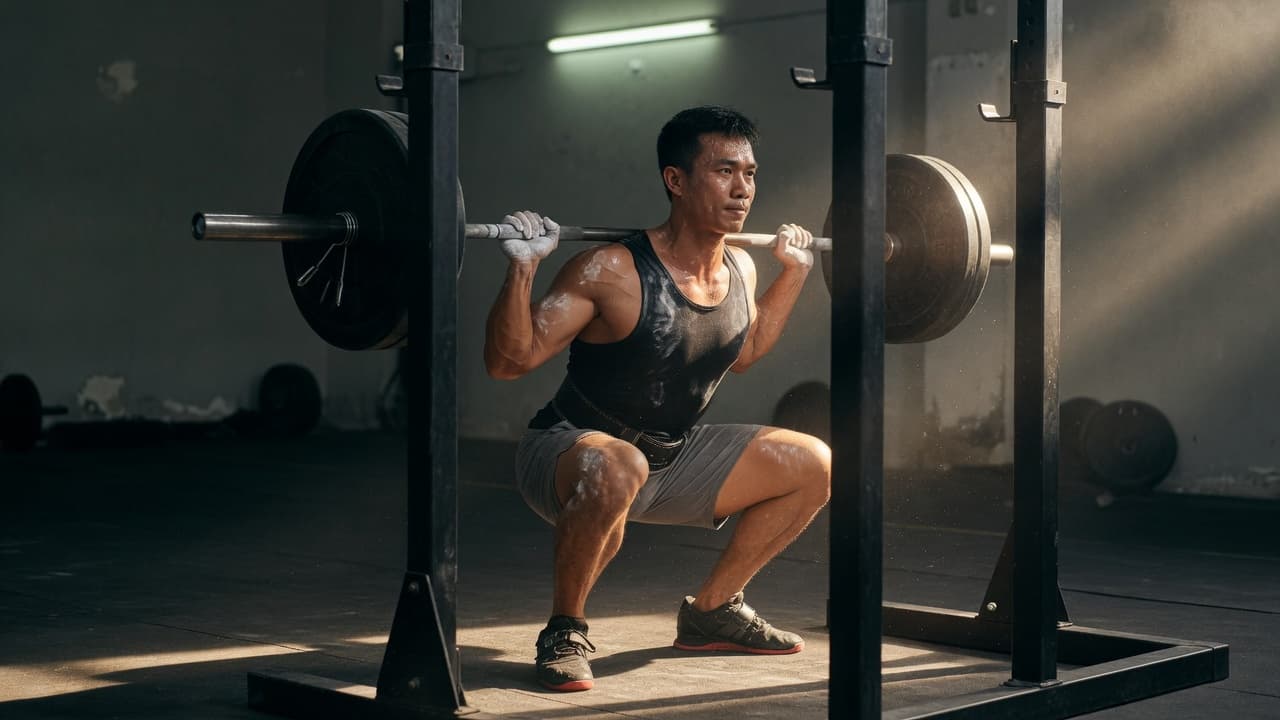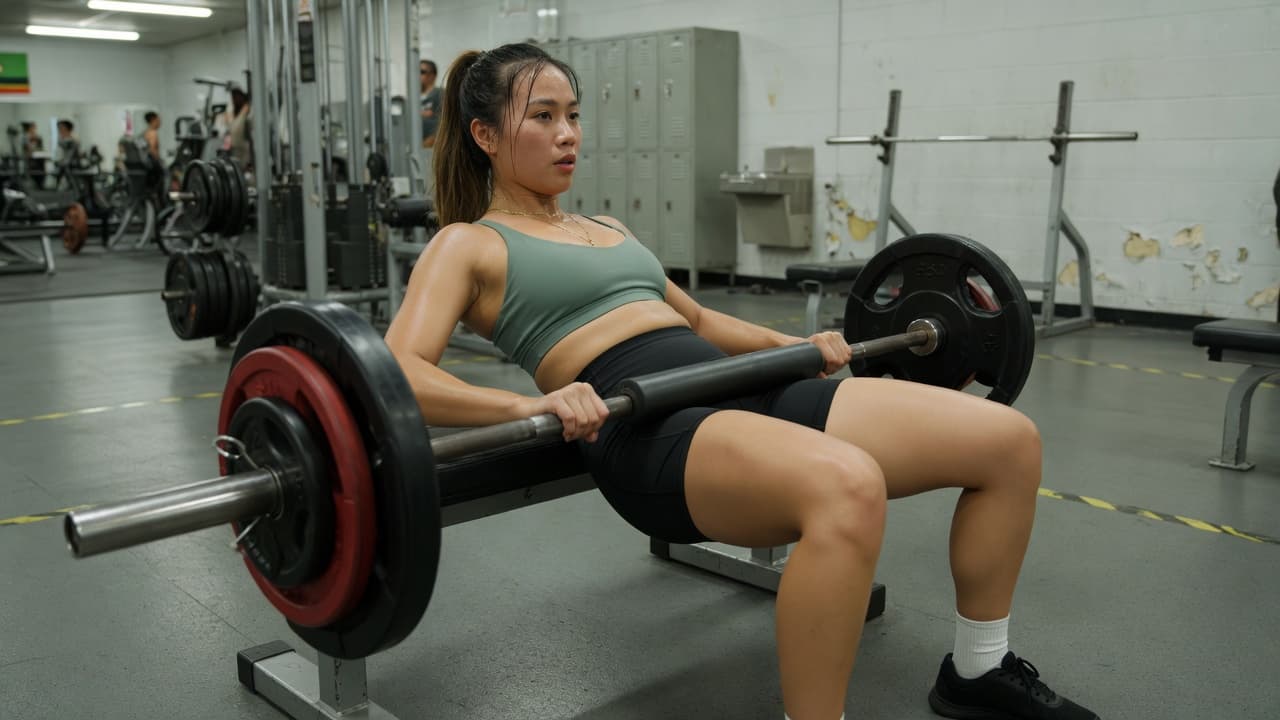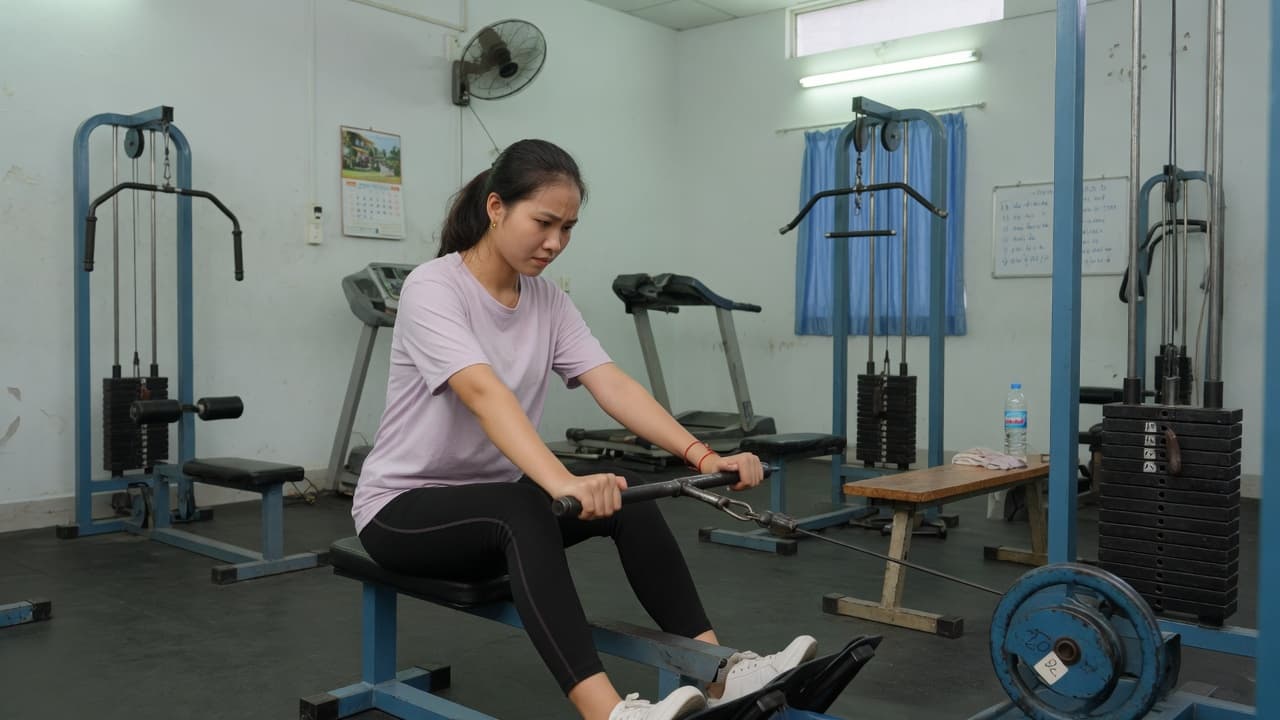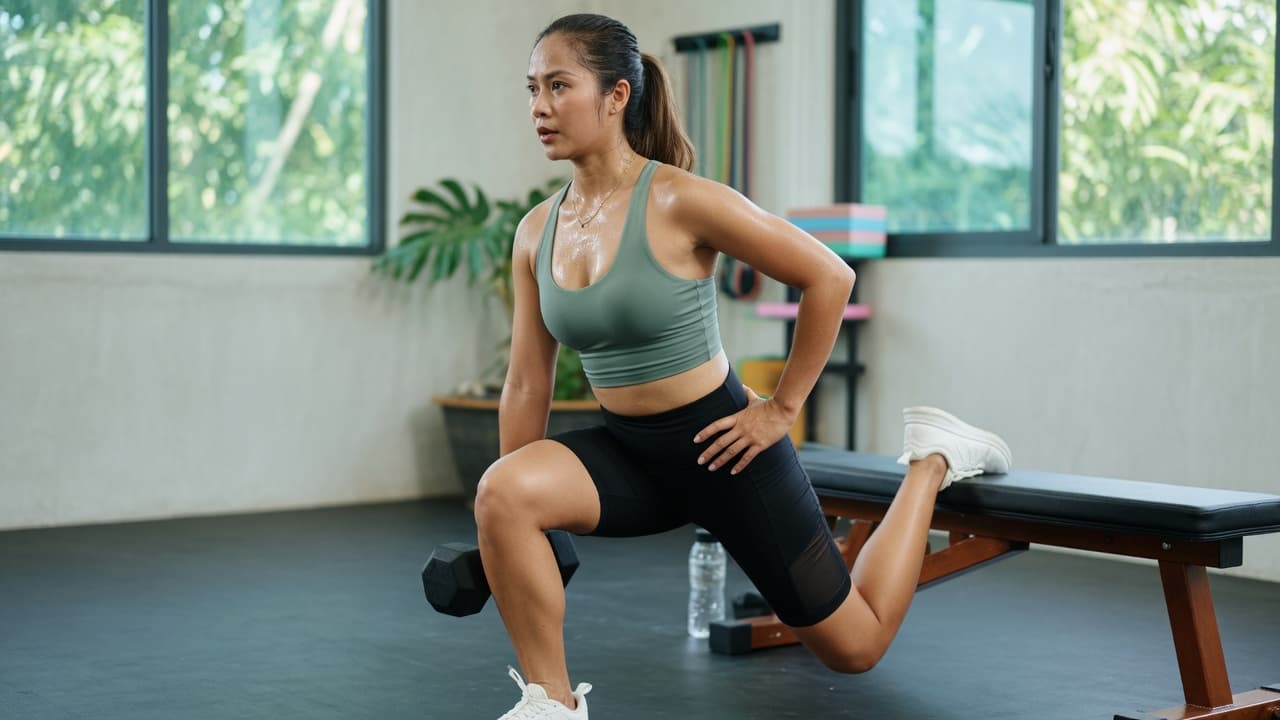
After training, a normal shower is enough for most lifestyle lifters. Ice, cold plunges, or hot–cold contrast are not required to progress. Sleep, protein, and volume management matter more than expensive recovery rituals.
Foundation: sleep and muscle recovery. Separate soreness from injury when relevant; for stiffness also see active rest days.
What does cold do?
Cold can reduce short-term swelling and pain feelings in some situations. Using cold after every strength session is often unnecessary; some research suggests cold right after resistance training may interfere with adaptation signals if overused — evidence is still debated, but it is enough reason not to sanctify an ice tub every night.
- Better fits: acute injury (per medical guidance), clear swelling, or sports needing fast turnaround between contests.
- Not required: ordinary DOMS after squats — sleep and walking usually suffice.
Do not ice-plunge every session just because athletes on social media do.
Heat and ordinary showers
- A warm/mildly hot shower helps relaxation and hygiene — the number-one practical post-workout goal.
- Avoid very hot water immediately if dizzy or heavily dehydrated; drink water and bring the heart rate down first.
- Sauna can feel nice but does not replace deload; be cautious with unscreened blood pressure/heart issues.
| Method | When to consider | Note |
|---|---|---|
| Normal shower | Most sessions | Enough for clean + relax goals |
| Local cold pack | Swollen/acute sore spots per guidance | Do not ice bare skin too long |
| Full-body cold plunge | Not required for lifestyle | Avoid if cardiovascular disease is unscreened |
| Hot–cold contrast | Personal preference | Not a progress prerequisite |
When to use cold packs?
- Sharp pain, swelling after impact, or suspected sprain — basic first aid and medical care if severe.
- Do not use cold to “mask” joint pain then keep max lifting.
- Diffuse DOMS 24–72h: prioritize sleep, protein, walking, cut volume if needed — not ice as punishment.
Recovery priority order
- Enough sleep on a stable schedule.
- Enough protein and calories for the goal.
- Manage volume/intensity and deload weeks.
- Stress and easy steps on rest days.
- Shower, gentle stretch, massage gun if you like.
- Special cold/heat — lower optional tier.
Beginners often invert the list: buy an ice tub before fixing a 11:30 p.m. bedtime. Flip it. If you like a cool shower at the end because Vietnam is hot — totally fine as comfort preference; just do not make it mandatory or a substitute for rest.
After heavy legs, next-day heaviness usually eases with walking and sleep, not 10 more minutes of ice water. Keep a simple log: bedtime, soreness, cold yes/no — you will see which variable actually changes how you feel.
Hot humid climate: a cool end-of-session shower helps heat comfort and sweat hygiene — a practical reason, not a hypertrophy protocol. Separating “I like cool” from “I believe I must ice plunge to progress” removes equipment pressure. If the gym has a cold tub, try it occasionally out of curiosity; stop if joints hurt oddly or you get dizzy.
FAQ
1. Does a cold shower every morning burn fat?
Not a primary fat-loss tool. Calorie deficit and resistance training decide more.
2. Should I ice right away for post-workout muscle soreness?
Ordinary DOMS does not require ice. Sharp pain/swelling differs from soreness — handle more carefully and get checked when needed.
3. Training at night — long hot shower okay?
A moderate shower is fine; avoid so long you dehydrate or get wired right before bed if you are sensitive. Cool down gradually and keep the room dark for sleep.
General recovery education — not emergency care or medical prescription. Heart disease, blood pressure issues, Raynaud’s, pregnancy, or acute injury: ask a doctor before intensive cold/heat protocols.