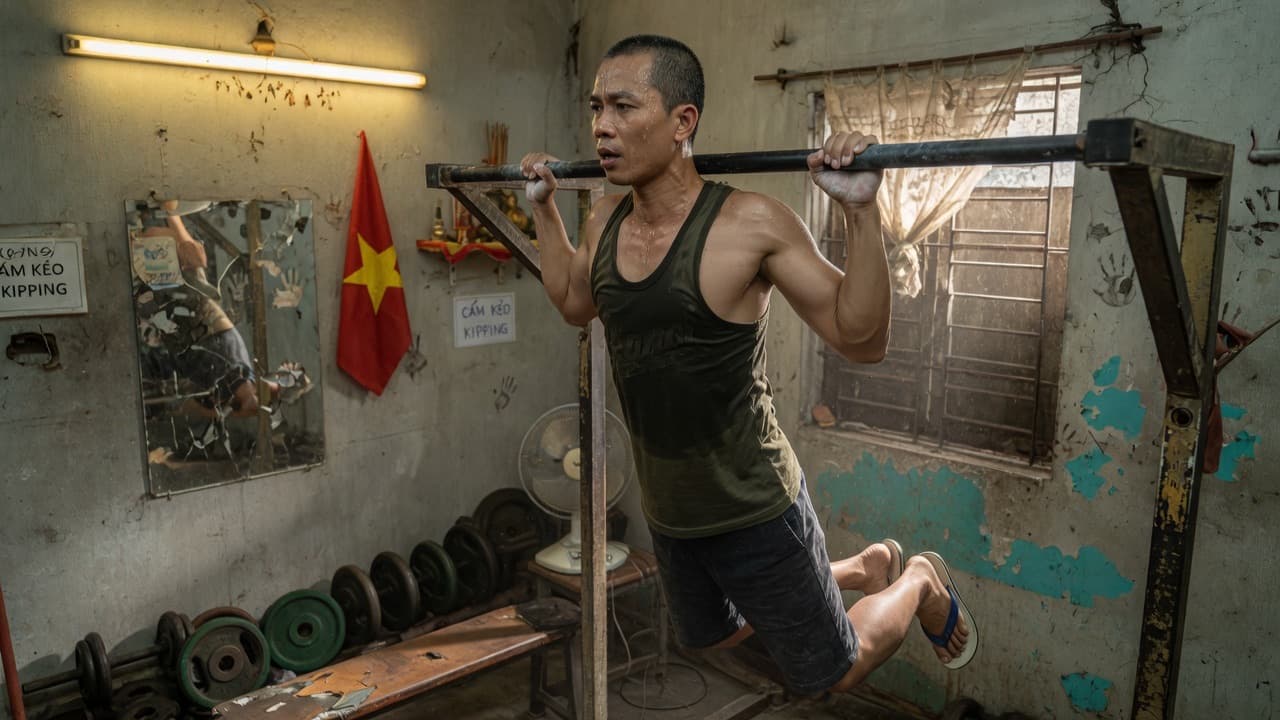
Failed pull-ups usually come from skipping steps: trying to clear the chin before you can hold an active hang and scapular pull. Progressing active hang → scapular pull → assisted pull → negatives → clean chin-up/pull-up lets the back and shoulder joints learn force in the right order. This article gives graduation criteria for each rung and concrete scapula cues.
Use a solid bar, a safe step-down box, and an assistance band if you have one. Do not use whole-body kip to “cheat” reps when the goal is learning a true pull.
Cues shared across every rung
- Active hang: shoulders down–away from ears, scapulae lightly drawn down–back; not a dead hang with shrugs to the ears.
- Somewhat stable torso: light core and thigh brace; avoid big swings.
- Pull with elbows–back: think “elbows toward back pockets,” not only biceps curling.
- Range: start from a controlled long-arm hang; finish when the chest nears the bar or the chin clears, depending on the rung.
- Inhale to set, exhale as you pull or keep a steady rhythm; do not hold the breath for long.
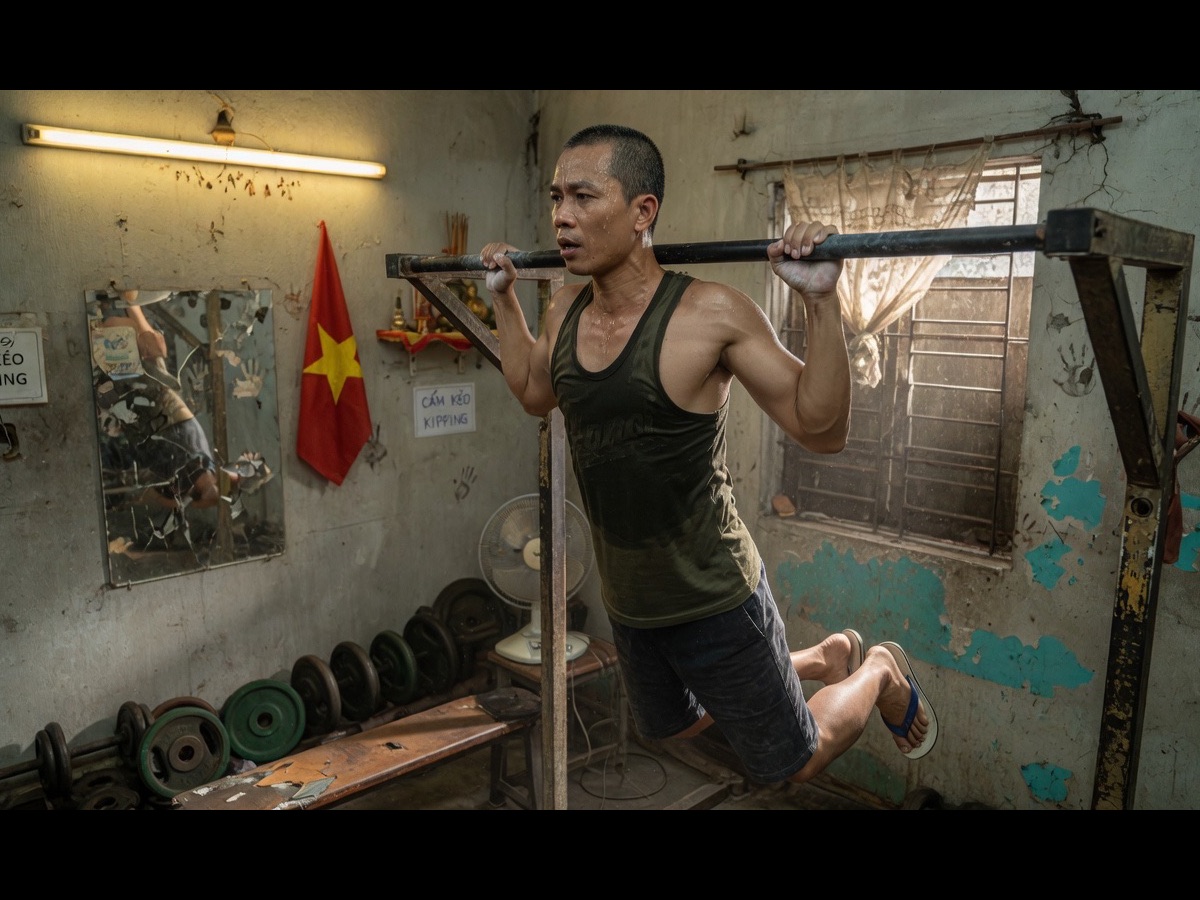
Rung 1: Active hang
Grip the bar at or slightly outside shoulder width (or underhand if you start from chin-ups). Lift the feet off a box, depress the shoulders, hold 10–20 seconds × 3–4. This is where the shoulder learns to tolerate hanging load more safely.
Graduate when: 3 × 20–30 seconds active hang, shoulders not shrugging to the ears, 2–3 sessions/week for at least one week.
Rung 2: Scapular pull
From an active hang, pull the scapulae down–back so the body rises a few centimeters with the elbows barely bent. Lower slowly to the hang. Do 3×6–8.
Graduate when: you clearly feel “scapulae pulling,” not just neck shrugging. Film from the side to check.
Rung 3: Assisted pull (band or foot on a box)
Loop a band correctly or use a light foot press on a box to finish the range. The goal is a back-driven pull, not sitting and resting on the band.
Graduate when: 3×6–8 with moderate assistance, stable torso, 3-second lower. Reduce assistance week to week.
| Rung | Work | Reps / time to graduate | Notes |
|---|---|---|---|
| 1. Active hang | Keep shoulders down | 3×20–30 seconds | Learn hanging load |
| 2. Scapular pull | Pull scapulae, little elbow bend | 3×6–8 | Feel the back |
| 3. Assisted | Band / box | 3×6–8 | Fade assistance gradually |
| 4. Negative | Slow lower from the top | 4–6 × 3–5 seconds | Step up — no wild jump |
| 5. Clean chin / pull | Full-range pull | 3×3–5 then build to 6–8 | No hip kip |
Rung 4: Negatives (slow lowers)
Step onto a box to a chin-near/over-bar position, then lower 3–5 seconds to the hang. Step down with the feet — do not drop. 4–6 reps, rest fully.
Cue: “chest toward the bar – elbows down – lower like braking every centimeter.”
Rung 5: Chin-up, then pull-up
Many people get chin-ups (underhand or neutral) first because the biceps help more. When 3×5 chin-ups are clean, move to a moderately wide overhand grip. Multiple short sets (e.g. 5×3) beat one set that breaks form.
Medium-term graduate target: 3×5–8 without kip. Only then think about added load or harder variations.
Practice schedule
- 2–3 sessions/week, after the warmup or early on a pull day.
- Always balance pressing: push-ups or chest press — see push-up progression.
- Add dumbbell or machine rows for back volume if pull-up reps are still few.
- Sharp shoulder pain or pain down the arm: shorten long hangs, get checked — do not “force one more.”
Warm shoulder–scapula joints 5–8 minutes before heavy hanging; a short circuit is in 8-minute warmup before lifting.
Faults to fix immediately
- Shrugging to the ears all set: reset an active hang between reps.
- Kipping for momentum: tuck the knees slightly, shorten range, return to assistance.
- Arms-only pull: hammer elbow–scapula cues; add scapular pulls.
- Dropping from the top: kills control and risks shoulder–elbow.
FAQ
How do chin-ups and pull-ups differ?
Chin-ups are usually underhand or neutral, with more biceps; overhand pull-ups emphasize back–scapulae more. Both are useful; pick the rung you can do cleanly first.
No assistance band?
Use negatives, hangs, scapular pulls, and horizontal rows. You can also lightly foot a box to finish the top half of the range, then lower slowly.
How long until one pull-up?
Depends on starting point, relative body weight, and frequency. Many people need weeks to months. Measure by graduated rungs, not a “guaranteed 30-day” calendar.
General bar technique only — not a medical assessment or live coaching. Stop for unusual shoulder–elbow pain or an unrecovered injury history.