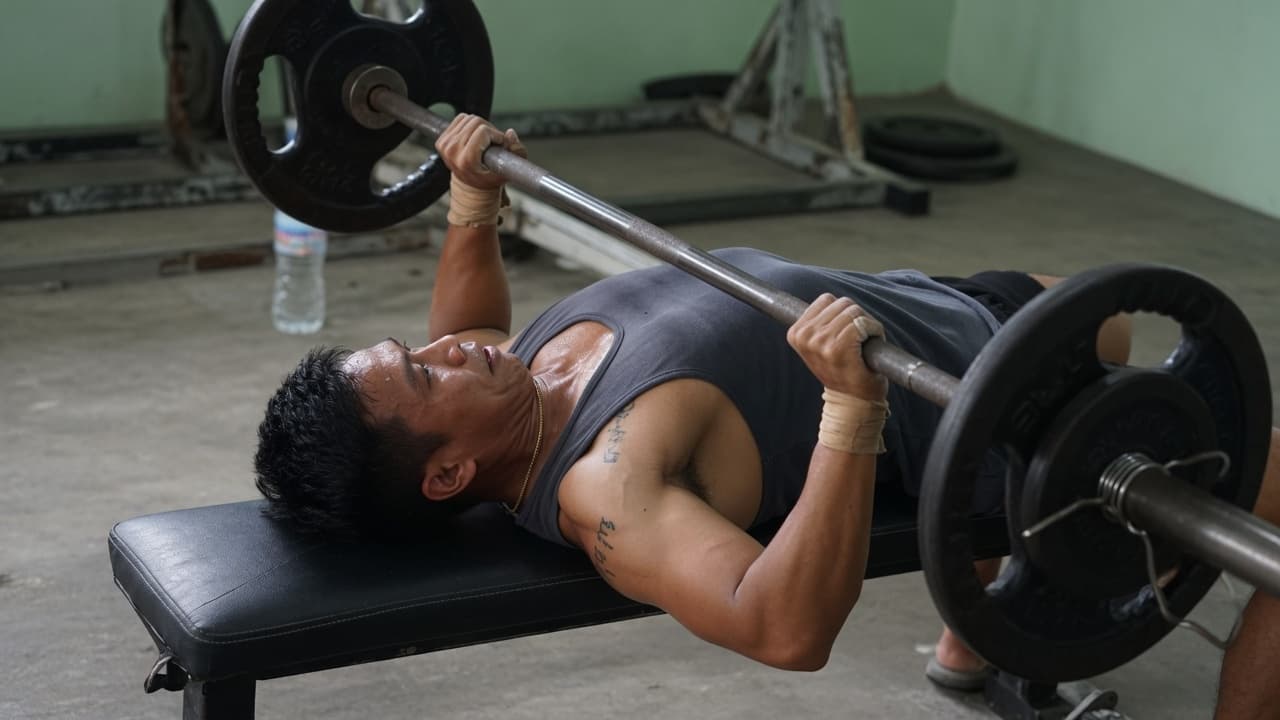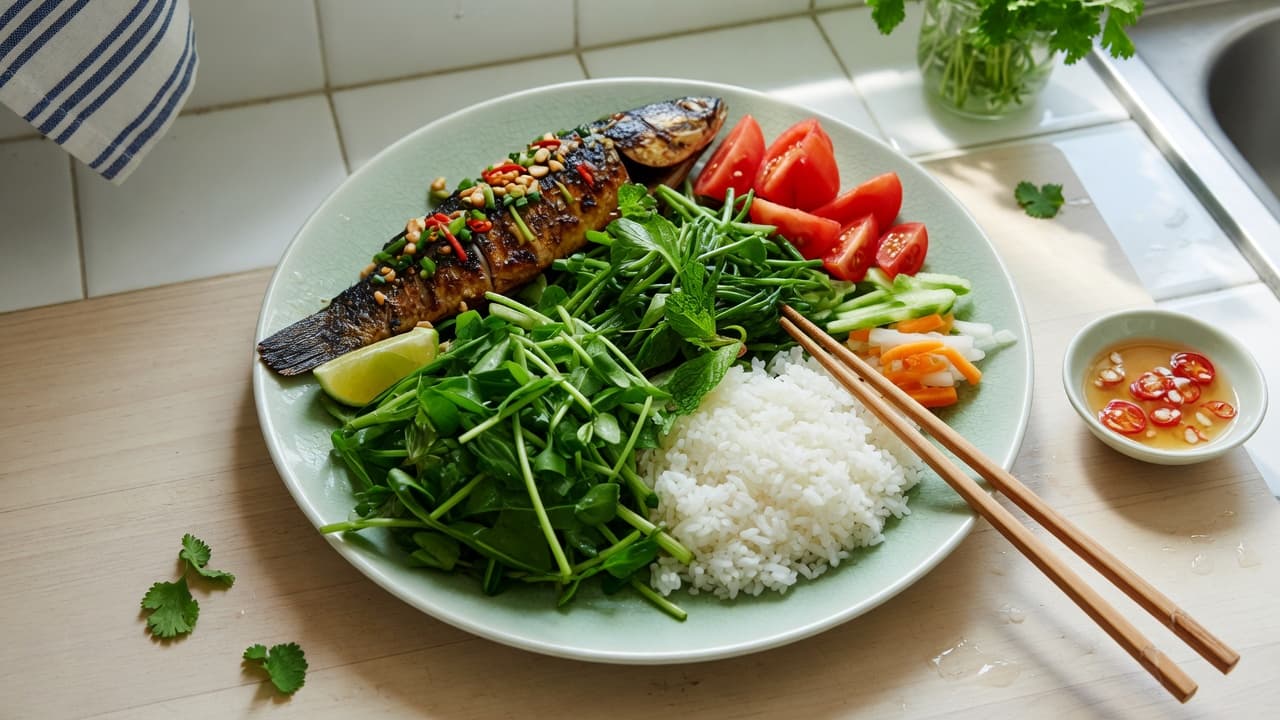
One or two beers or glasses of wine do not “wipe out” progress — but liquid calories, shallow sleep, and the next day’s leg session are where many people kid themselves. This piece helps you estimate energy from alcohol, schedule drinking sensibly, and keep “Friday night” from becoming a whole-week surplus.
For recovery, also read sleep and muscle recovery. If legs feel heavy the day after drinking, prefer an active rest day over forcing a max squat.
Calories in beer and wine — practical estimates
Alcohol is roughly ~7 kcal/g, before sugar in cocktails or carbs in beer. Numbers below are common estimates; labels vary by brand:
- Lager beer ~330 ml: about 120–150 kcal/can.
- Stronger or high-ABV craft beer: easily 180–250 kcal/can.
- Wine ~150 ml: about 120–130 kcal.
- 40% spirits ~40 ml (one shot): about 90–100 kcal — sweet cocktails add sugar on top.
Three beers plus fried drinking snacks easily add 800–1,200 kcal off-plan. That is not a mystical “alcohol slows metabolism”; most of it is energy math and what you eat with it.
Not an absolute ban. Ban-then-binge is worse than a planned budget of 1–2 units.
What alcohol does to training and fat loss
- Surplus calories: easy to push a week from deficit into maintenance or surplus.
- Worse sleep: you may fall asleep, but deep and REM stages often suffer — muscle recovery and next-day appetite control get worse.
- Performance: next-day legs or back often feel unstable and heavy; last sets get skipped.
- Food choices: self-control drops; fried–sweet options show up more.
A “drink and still progress” practice frame
Before and during drinking
- Eat enough protein + carbs before drinking — do not starve all day then “make up with beer.”
- Choose lighter beer or lower-sugar drinks; alternate with water.
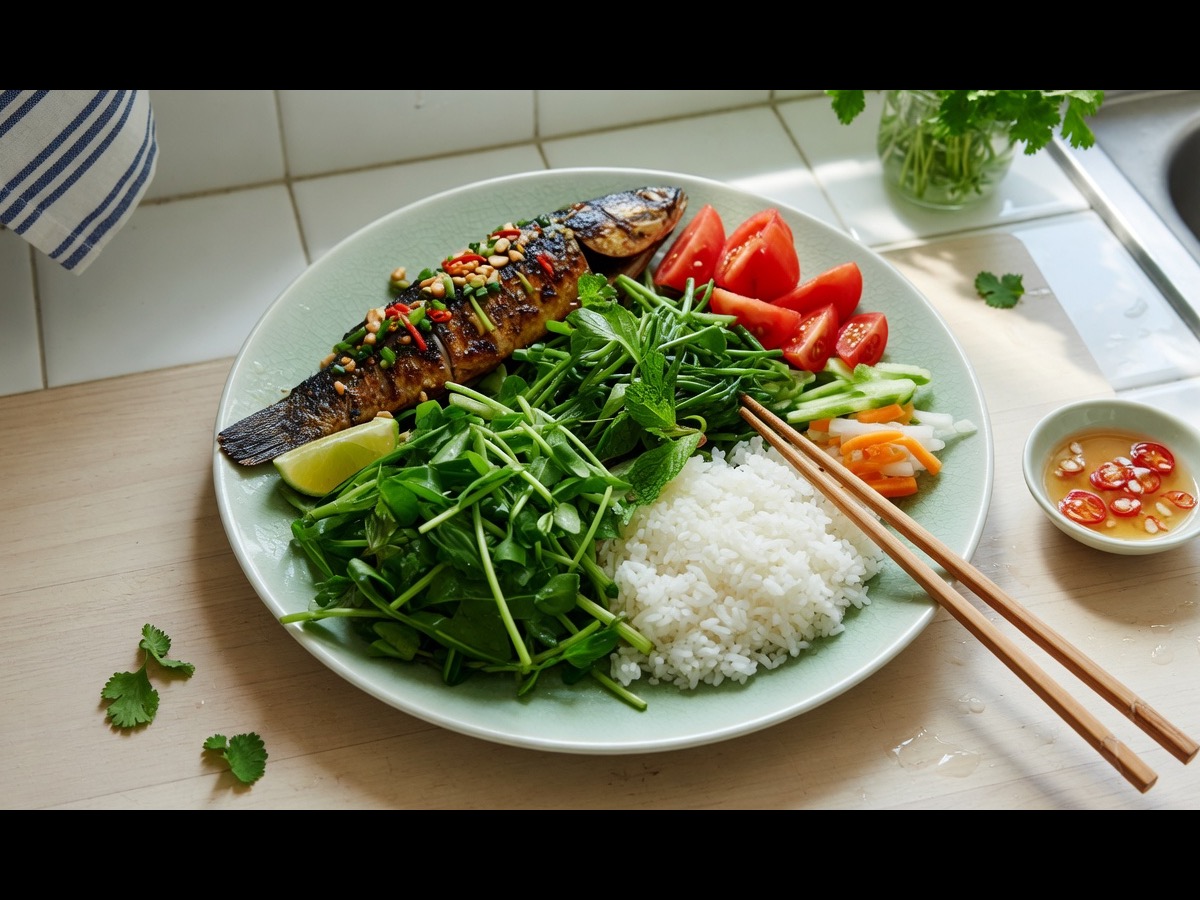
- Snacks: prefer boiled, grilled, salads; limit shared fried portions.
- Set a ceiling first: e.g. max 2 cans, or 1 glass of wine — saying it aloud to friends helps.
Training days around drinking
| Schedule | Suggestion |
|---|---|
| Drink at night → legs next morning | Switch to easy upper, mobility, or rest — no ego loading |
| Hard session at night → drink right after | Prioritize protein + water before drinks; protect bedtime over extra shots |
| Fat-loss week | Keep 0–2 light drinking sessions; trim rice slightly other days if needed |
Honest logging
Write in the journal: cans/glasses, snack types, bedtime. End of week look at average weight and completed sessions — not every Sunday morning after a party. If progress stalls 3–4 weeks, weekend alcohol is often worth checking before blaming “metabolism.”
People in a very deep cut often use alcohol as a reward and then wreck the week. Safer: keep a moderate deficit (about 300–500 kcal/day depending on the person), allow one controlled flexible session, and protect sleep. Progress comes from repeatable weeks, not a “clean” week that collapses.
If you take medication, are pregnant, have liver disease, or struggle to control drinking — this is not a DIY gym-hack topic. Prioritize health and the right professionals.
FAQ
1. Does alcohol burn fat after you drink?
The body prioritizes clearing alcohol; burning other fuels can slow temporarily. Weekly calorie total and sleep quality still matter more.
2. Is one can a day okay while losing fat?
Calories can fit a budget, but a daily habit adds up and hits sleep. Many people progress faster with 0–3 sessions/week instead of drinking every day.
3. Should I do “punishment cardio” after a drinking night?
No. Easy walking, enough protein, and catch-up sleep beat HIIT while dehydrated. Punishing with training ties guilt to movement.
Lifestyle and training management only — does not encourage drinking and does not replace medical advice. Liver disease, pregnancy, alcohol dependence, or interacting medications require professional guidance.