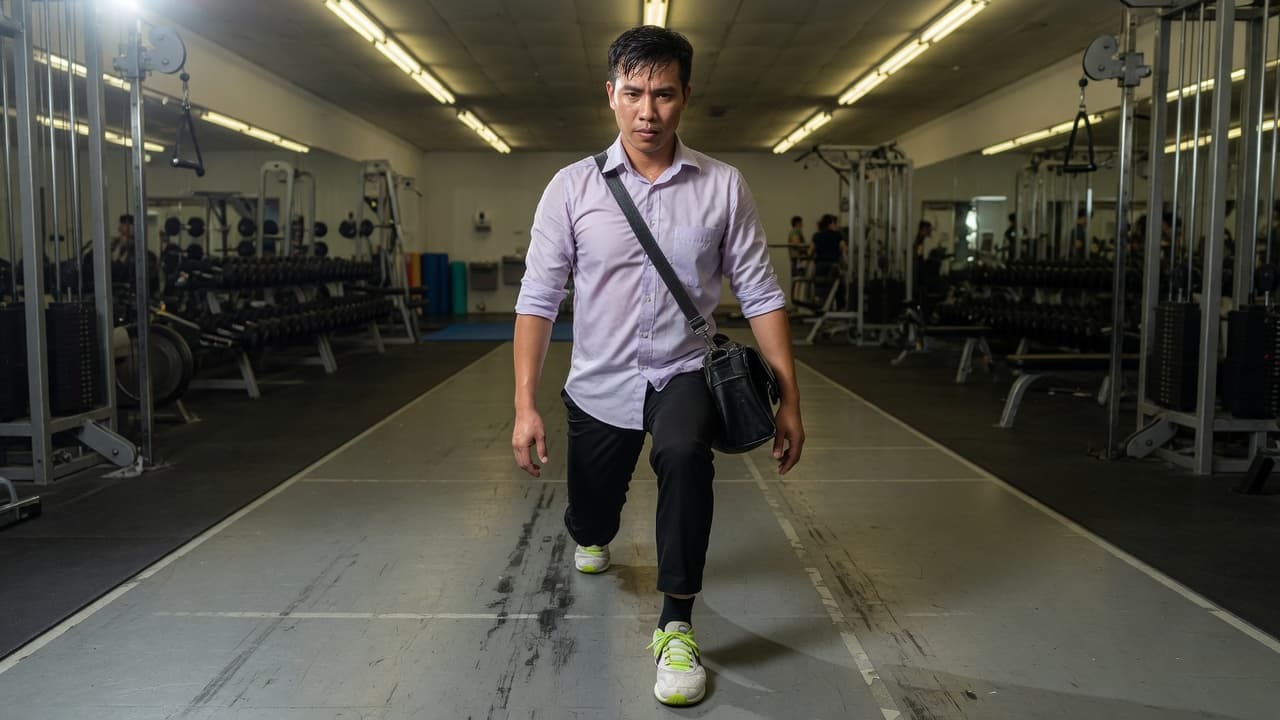
Losing motivation is not a sign that “the gym is not for you.” It is a normal state after a few consistent weeks, after a deadline, or after starter dopamine fades. Durable trainees do not wait for inspiration — they have a show-up rule: a short, clear minimum session with no bargaining, and no turning it into punishment HIIT for feeling lazy.

Why waiting for motivation is a weak strategy
Motivation arrives irregularly; a schedule can repeat. If you only train when you “feel like it,” you train a lot when life is light and vanish when life most needs the habit. The goal on a low-motivation day is not a PR — it is not breaking identity continuity: I am still someone who shows up.
- Low motivation ≠ fever: fever means rest; low motivation means shorten.
- Low motivation ≠ acute injury: unusual pain means stop and assess.
- Low motivation ≈ a rainy day: unpleasant, still doable with a small plan.
A short imperfect session still feeds the habit; a canceled perfect session does not.
Show-up rule: 20-minute minimum session
Write it and put it where you see it:
- Get dressed / to the machine within 10 minutes — no bargaining “tomorrow.”
- Do 20 minutes: short warm-up + 1 compound + 1 accessory, or continuous brisk walking.
- At 20 minutes you may stop with no guilt.
- If after 10 minutes you feel okay, you may finish the full planned session — not required.
Minimum gym sample: technique squat or leg press 3×5–8 light–moderate; row or lat pulldown 3×8–10; plank twice. Home sample: follow the spirit of 30 minutes without machines then cut to 20.
Banned on low-motivation days
- Punishment HIIT “because the whole week was lazy” — often harsh then a longer break.
- Rewriting the program in the locker room because of a new video.
- Feed comparison before the first set — leave the phone in the locker if needed.
- Infinite bargaining: “only go after new shoes / after the deadline / after the period.”
Rewards after a show-up streak should be experiences (movie, massage, training gear), not a 5,000 kcal “go wild” day — easy to derail long goals.
Quick sort before tying shoes
| Signal | Action |
|---|---|
| Bored, mild mental fatigue | 20-minute session |
| Sleep <5–6 hours, heavy head | Walk or mobility; avoid PRs |
| Odd pain, fever, clear illness | Rest / seek medical input when needed |
| Only fear of a crowded gym | Different time slot or short solo session |
Mistaking boredom for illness makes you train when you should rest; mistaking boredom for “gym is over” makes you break a streak for no good reason.
Shape the environment so show-up costs less willpower
- Fixed weekly slots — do not re-ask every day “do I train today?”
- Bag/shoes ready; reduce decision friction.
- A partner with a hard time, but solo backup (see training with a friend).
- One-line log after the session — the brain likes “closing the file.”
The first eight weeks of building a consistent-trainee identity matter more than finding viral motivation. Motivation is usually a consequence of repeated behavior, rarely the cause.
When low motivation lasts many weeks
If ≥3–4 weeks you only do minimum sessions and feel no enjoyment at all:
- Temporarily lower aesthetic goals; anchor to health and schedule.
- Change lift variants (same muscle groups), not the whole philosophy every week.
- Check sleep, work stress, too-deep calorie cuts.
- Allow one intentional “maintain” week: 2 sessions, walking, protein — then reassess.
Burnout from volume and harsh deficits differs from mild low motivation. Do not treat burnout by punishing yourself more.
FAQ
Should I skip entirely to “listen to my body”?
If the body reports pain/illness, yes. If it only reports boredom, a 20-minute session is usually the wiser listen — you still care for your future self without denying the feeling.
Does training without motivation hurt form?
It hurts if you force PRs with a scattered mind. Keep technique loads, clean reps, enough rest between sets. Low quality + high load is dangerous — not the act of showing up.
How long until motivation returns?
No fixed schedule. Many people feel better after a few show-up sessions or when sleep improves. Do not use “still not motivated” as a reason to cancel the 20-minute rule.
Disclaimer: Education on maintaining training habits — not clinical burnout diagnosis, depression care, or medical advice. Lasting fatigue, loss of interest in all activities, or unusual pain while training needs assessment by a suitable professional.