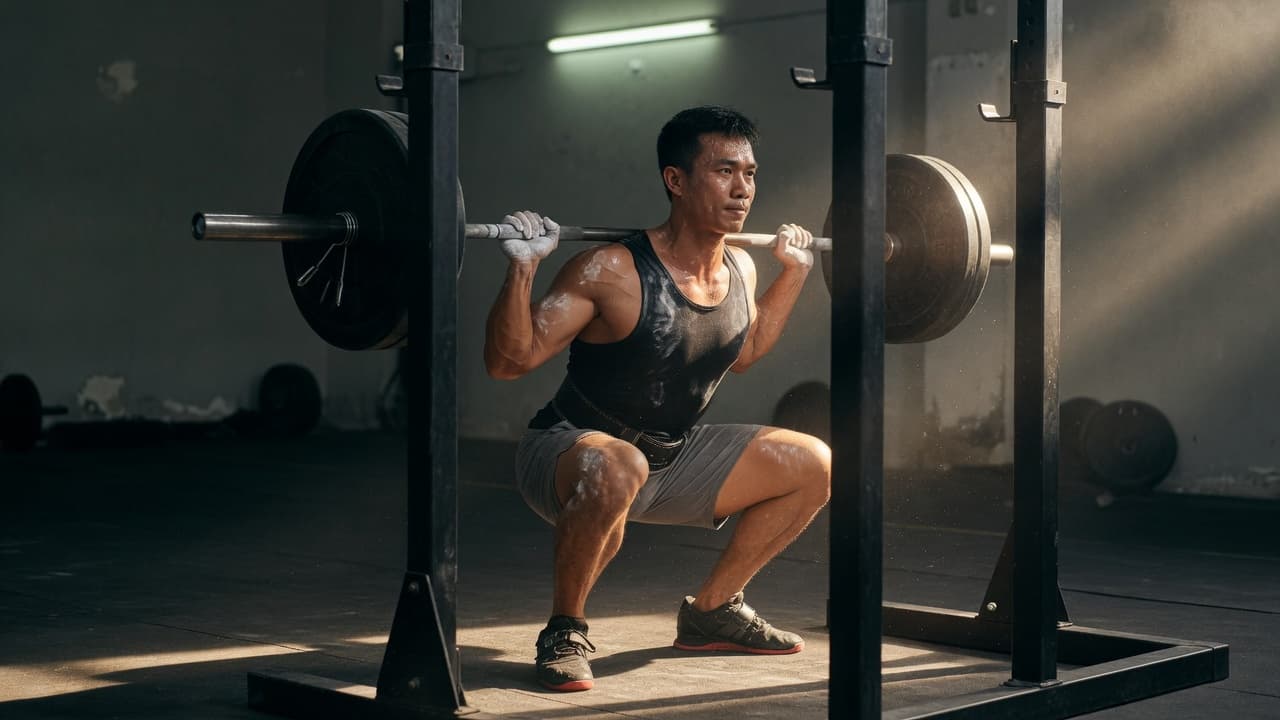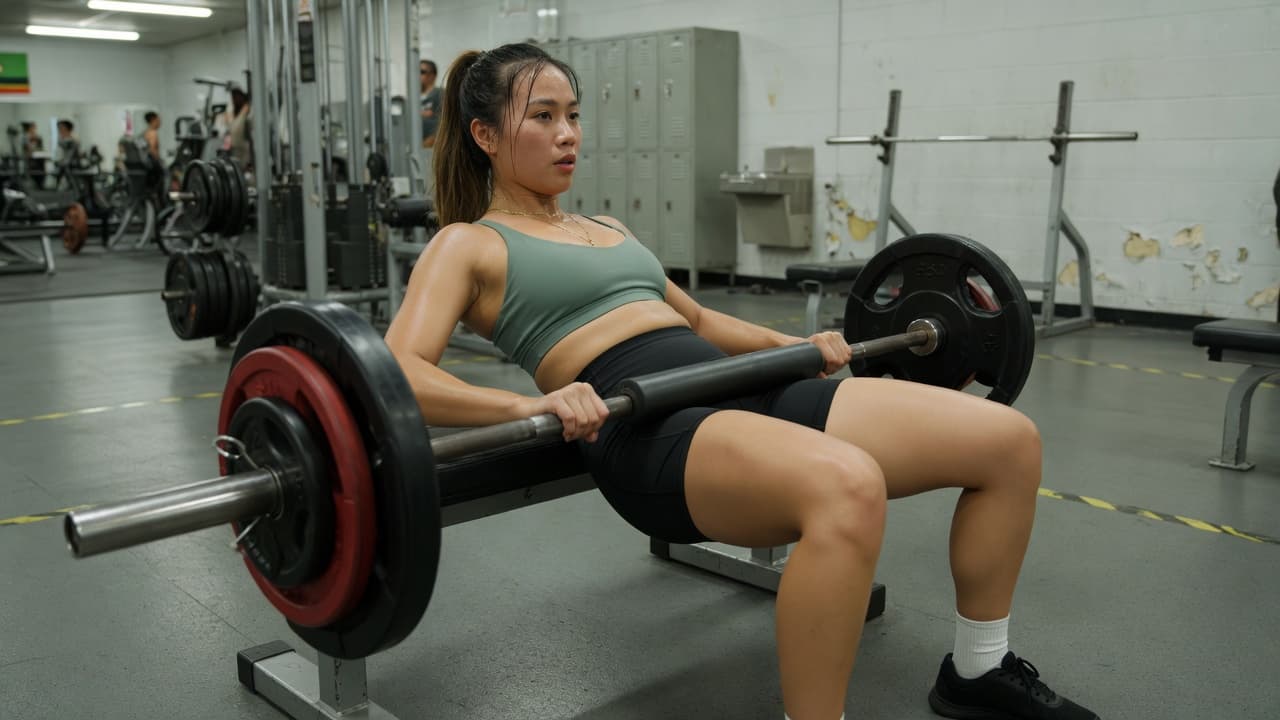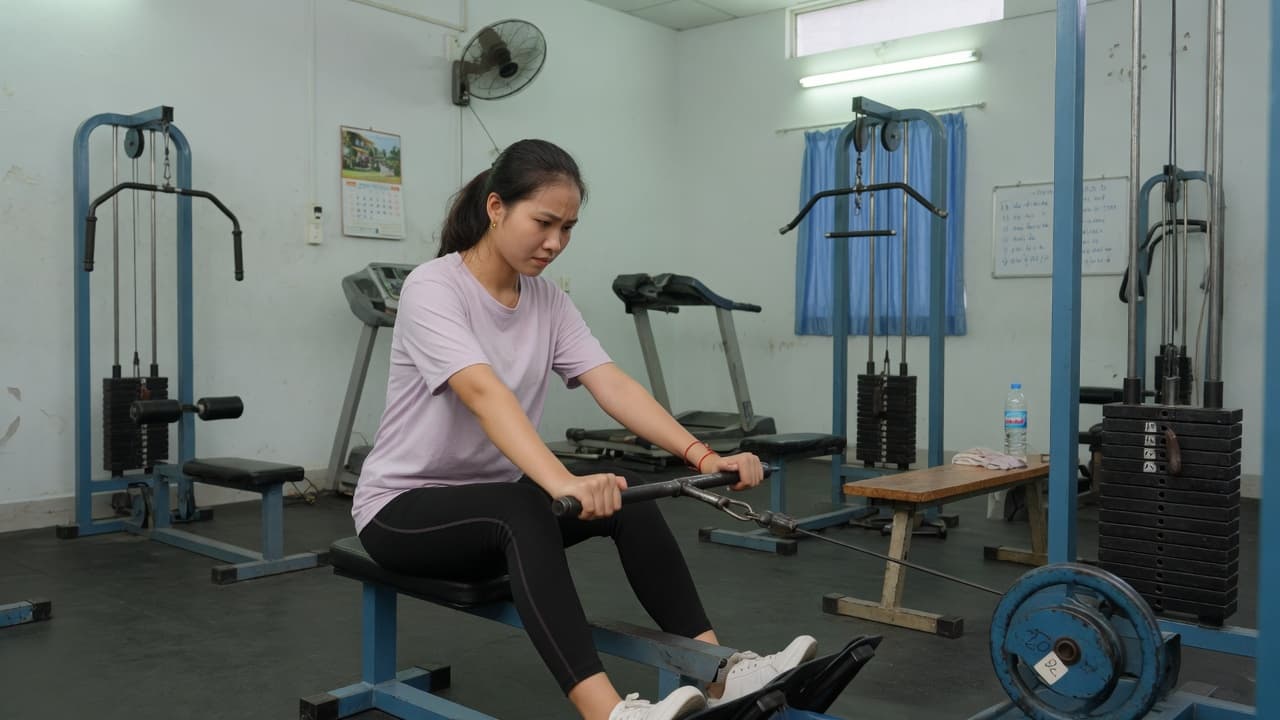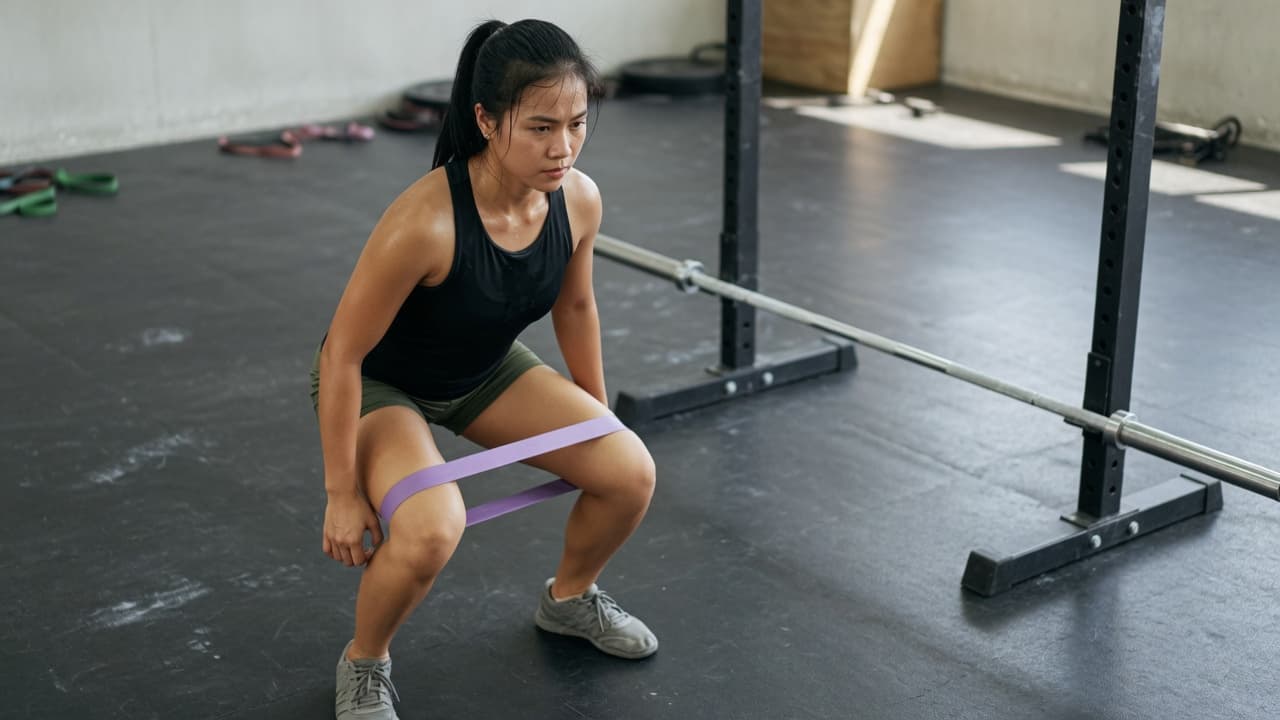
Mild runny nose on “leg day” — train or lie down? The neck rule many coaches use is not absolute medical law, but a safer starting point than motivational reels. Fever, whole-body aches, shortness of breath: not PR time. Symptoms only above the neck sometimes still allow walking — if you feel okay overall.
This piece helps you decide quickly, avoid “train through it” while infected, and return to the gym without suddenly jumping volume.
A practical neck-rule frame
Symptoms mainly above the neck (stuffy nose, mild sore throat, no fever, eating/sleeping roughly okay): you may consider very light movement — walking, mobility, unloaded technique. Avoid heavy compounds and hard breathing in crowded indoor rooms if you are contagious.
Below-the-neck / systemic symptoms (fever, chills, flu-like body aches, deep cough, chest tightness, strong diarrhea, dizziness): skip strength training. Rest, hydrate, sleep. This is not an “optimized active rest day” — this is illness.
If you are arguing yourself into believing 38°C is “just warm,” the answer is lie down, not squat.
The rule above is a sports-community heuristic, not a medical exam. People with chronic conditions, asthma, or severe symptoms should contact a clinic.
If you choose light movement: do and avoid
- Outdoor or slow treadmill walking 15–25 minutes, low RPE.
- Mobility and slow breathing at home — do not force ROM.
- Stay warm, leave early; do not “steam” in a packed gym.
- Skip shared showers if you are clearly contagious and the gym is crowded — courtesy to others.
Avoid: PRs, drop sets, HIIT, breath-holding underwater-style efforts, competing with a training partner. Also avoid starting a brand-new program “because you are home free.”
Eating and sleep when mildly ill
Do not slash calories in a “no training means no eating” mindset. The immune system is spending energy. Keep moderate protein, easy carbs, fluids and electrolytes if feverish/sweaty. Extra sleep beats every blog recovery protocol — including a short nap if nights are poor, as long as you do not permanently wreck night timing once recovered; see 20-minute naps and sleep for muscle recovery.
Returning after illness
- One technique / light-machine session at about 50–70% of pre-illness volume.
- Watch for returning fever, unusually high resting heart rate, or “brain fog” fatigue — if present, step back again.
- The following week ease toward old volume; do not repay skipped sets.
- Separate post-training soreness from unusual pain — soreness vs injury.
People recovering from COVID or a prolonged respiratory infection may need a slower ramp and medical advice before HIIT or heavy lifting again — this article does not cover every specific illness.
Gym etiquette and community responsibility
Fever or heavy cough: stay home. Wipe equipment if you only have a mild stuffy nose and decided to show up. Not the moment to prove “steel will” on a shared squat rack.
Deadline week plus mild illness: prioritize getting well over an app streak. Streaks can rebuild; complications from training with fever are not worth it.
FAQ
Fever meds brought the temperature down — train now?
Do not treat that as a green light. Meds can mask symptoms. Wait for a stable fever-free window and better overall feel before loading again — and still start light.
Throat only irritated from AC / dryness?
If there is no fever or whole-body fatigue and you know it is mild irritation, moderate movement can be fine. When unsure whether irritation or infection, choose safety: walk instead of heavy lifting for a day.
How soon can I test a 1RM again?
Not the first session back. At least a few technique sessions at moderate RPE with sleep and food already solid. 1RMs demand nervous system readiness and confidence — both usually lag “runny nose is gone.”
Disclaimer: General education — not diagnosis or medical orders. The neck rule does not replace a doctor visit. High fever, shortness of breath, chest pain, confusion, or chronic disease need care by symptoms — do not self-manage with this article.