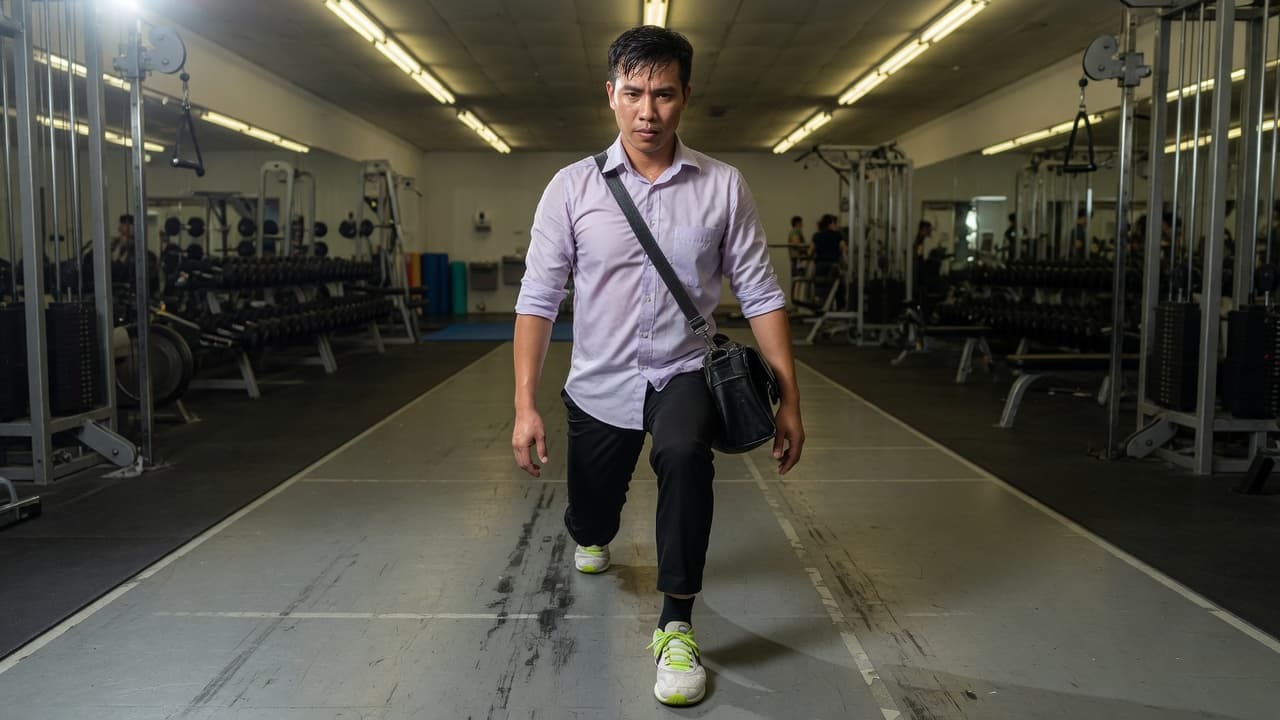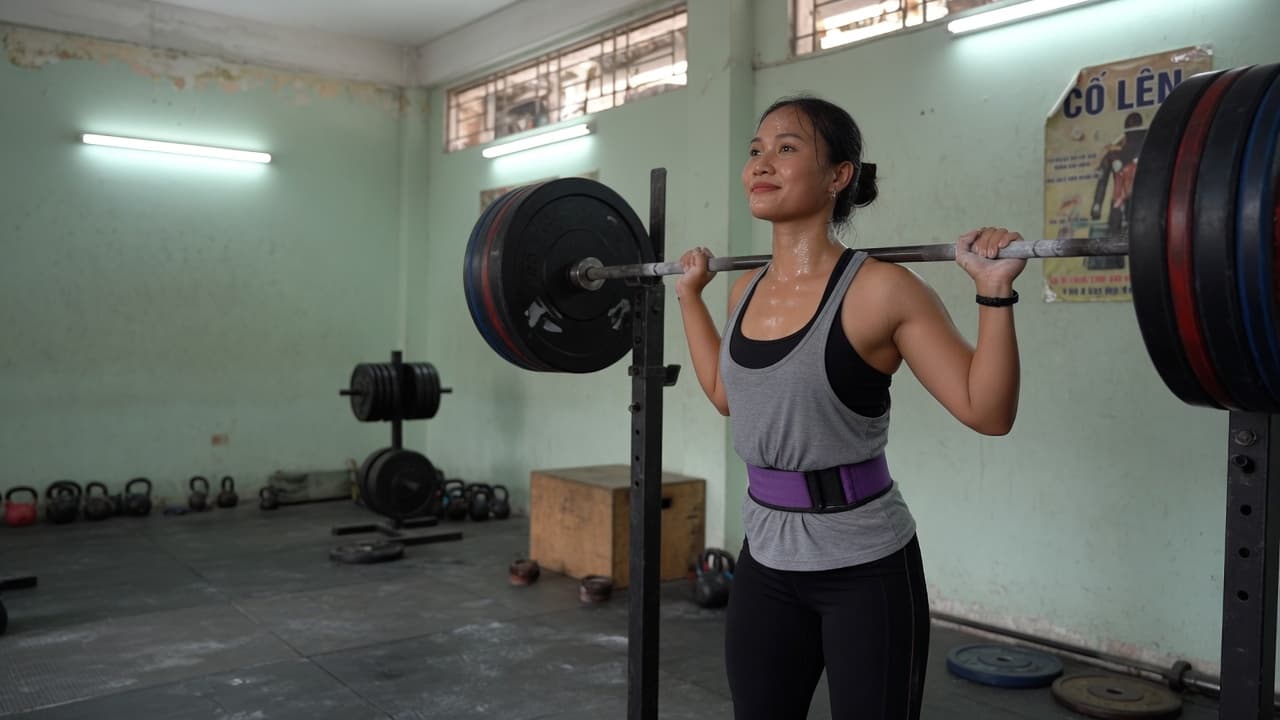
“Does lifting make women bulky?” shows up almost every time a woman first picks up a dumbbell. Short answer: most women do not become “as bulky as male athletes” from a few months of resistance training. Clear hypertrophy needs training stimulus + usually a calorie surplus + enough protein + time measured in years — and average female hormone profiles build muscle more slowly than men’s under the same conditions. What you usually get sooner is firmer, controlled fullness (shoulders–glutes–back) and better-fitting clothes when fat drops or stays stable.
For intentional lower-body training: the 3-day glute–thigh plan for women. Upper body without fearing “shoulders too wide”: back–shoulder training for women without fear of bulk. Eating to support muscle: Vietnamese-style muscle menu for women.
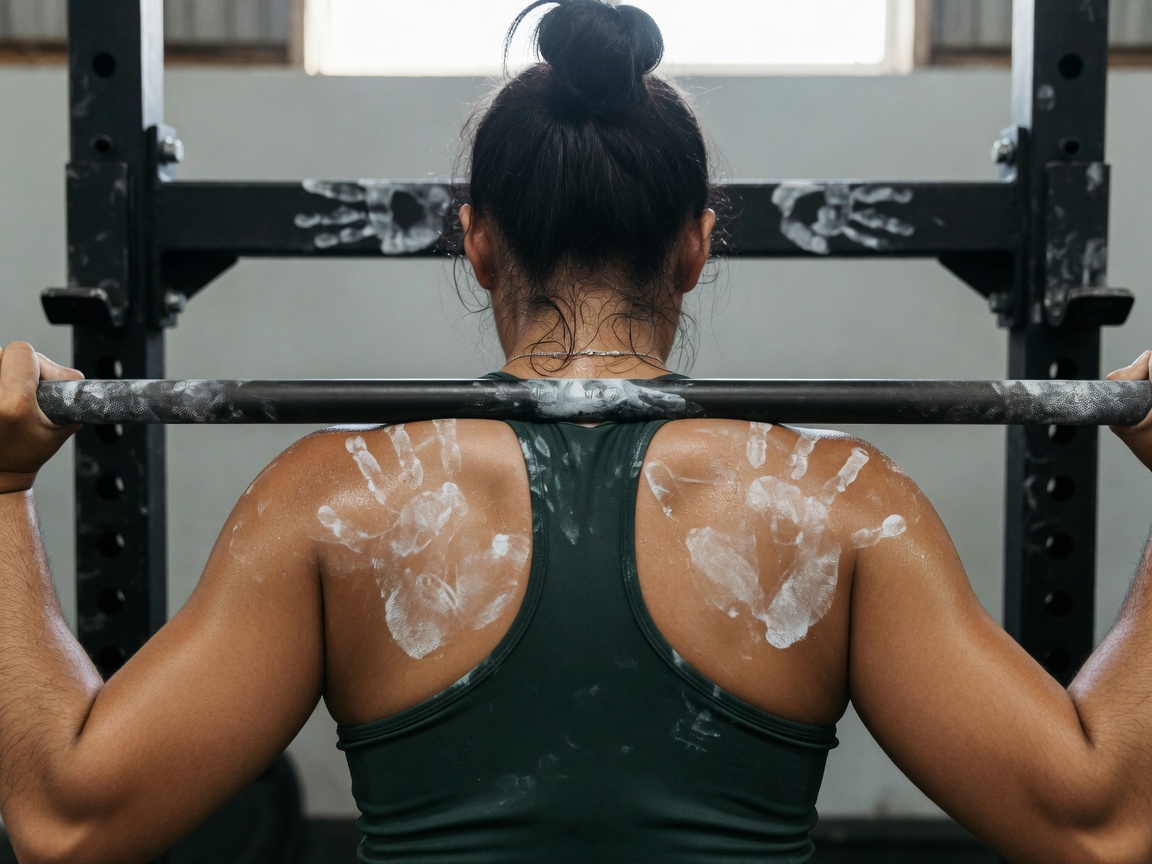
What does “bulky” even mean?
Online, “bulky” is often confused with:
- Fuller muscle + still-high fat → a temporary “wider” feel when newly training (mild inflammation, glycogen holding water).
- Shirts fitting tighter at shoulders/back because posture is taller and muscles are awake — usually a positive change.
- Photos of female athletes or people using special assistance — not representative of recreational lifters training 3–4 days/week.
“Toning” is not a magic vibration-plate mode: it is having muscle and fat low enough for shape to show. Cardio alone builds little muscle; starving does not create curves.
What does real hypertrophy need?
- Progressive load: gradually add weight or reps with solid form.
- Enough weekly volume for the muscle groups you want to grow (e.g. glutes–thighs).
- Protein about 1.6–2.0 g/kg (estimate) and calories that are not a harsh deficit if the goal is larger muscle size.
- Time: measured in months and years, not a “try the gym for 2 weeks” streak.
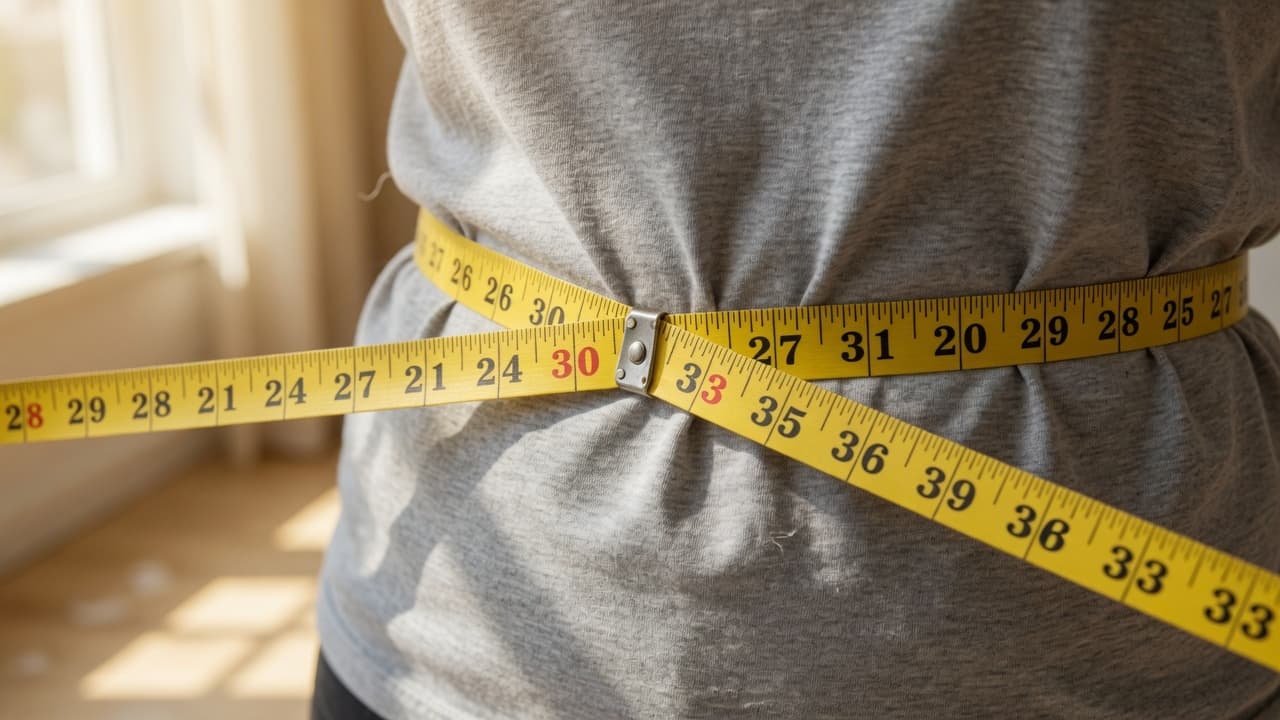
A 200–300 kcal surplus grows muscle more clearly than a deep cut. Many women training in a deficit still look firmer by keeping muscle while losing fat — tape measures can shrink even as loads rise.
Why most women get “denser,” not “bulky”?
At the same program, average muscle-gain speed in women is usually slower than in men. You can intentionally build nice glutes–shoulders, but “male bodybuilding shoulders” are not the default result of squats and rows. If one area grows faster than you want (rare for beginners), simply reduce that area’s weekly volume and prioritize others — muscle is not locked forever.
- Want lower-body curves: prioritize progressive hinge/squat/lunge work.
- Want a tighter-looking waist: manage whole-body fat plus functional core work; 500 crunches do not spot-reduce.
- Want firmer arms: steady light-to-moderate push–pull matters more than ultra-heavy bad form.
Water, inflammation, and week-one scale weight
In weeks 1–3 of new training, weight can stall or rise slightly even if the waist is not opening: muscle glycogen rises, water is held, tissue adapts. That is not “you became a bulky athlete.” Track photos, waist–hip–thigh measures, and a strength log instead of one weigh-in.
Cardio, “fat-burn” machines, and fear of weights
Only running forever can drop scale weight but also flatten glutes–shoulders if resistance and protein are missing. Lifting does not “turn fat into muscle” in a mythical sense, but it helps you keep muscle tissue in a deficit — so you look firmer at the same body weight.
Vibration plates, sweat belts, or “very light weights for 100 reps” do not replace planned progressive loading. Light weights are still useful for learning form; then add load when you have 2–3 reps in reserve with clean technique.
When should you adjust because you fear “too bulky”?
- Photos and tape show one area growing faster than you like → cut that area’s weekly sets 20–40%, keep priority areas.
- Weight rising very fast + waist opening a lot → trim the surplus; you do not necessarily need to quit lifting.
- Comparing to edited photos / enhanced physiques online → useless; use your own health and clothes as the benchmark.
FAQ
1. After 3 months of lifting, will I be as bulky as a man?
For most recreational women eating normally: no. You can look clearly firmer and stronger; stage-bodybuilder bulk is not an automatic outcome.
2. Can cardio alone make me “toned”?
You may get leaner but often lack muscle fullness. Resistance work + matching calories/protein creates the look people call toned.
3. Should women avoid deadlifts/squats?
Not if form is solid and loads fit. They are efficient for the posterior chain and lower body. Learn technique before going heavy.
This is general training education, not medical advice or a personalized program. The author is not a doctor. Pregnancy, injury, eating disorders, or a negative relationship with body image — seek an appropriate professional; this article does not diagnose PCOS or any disease.