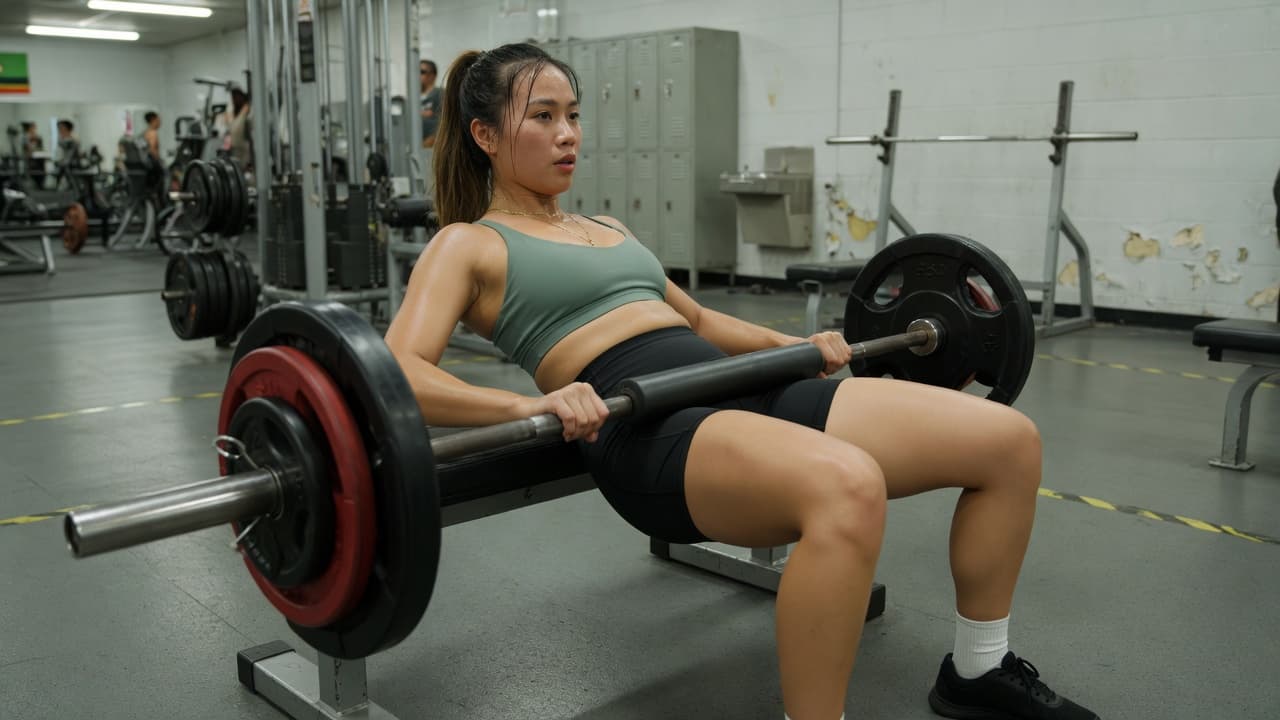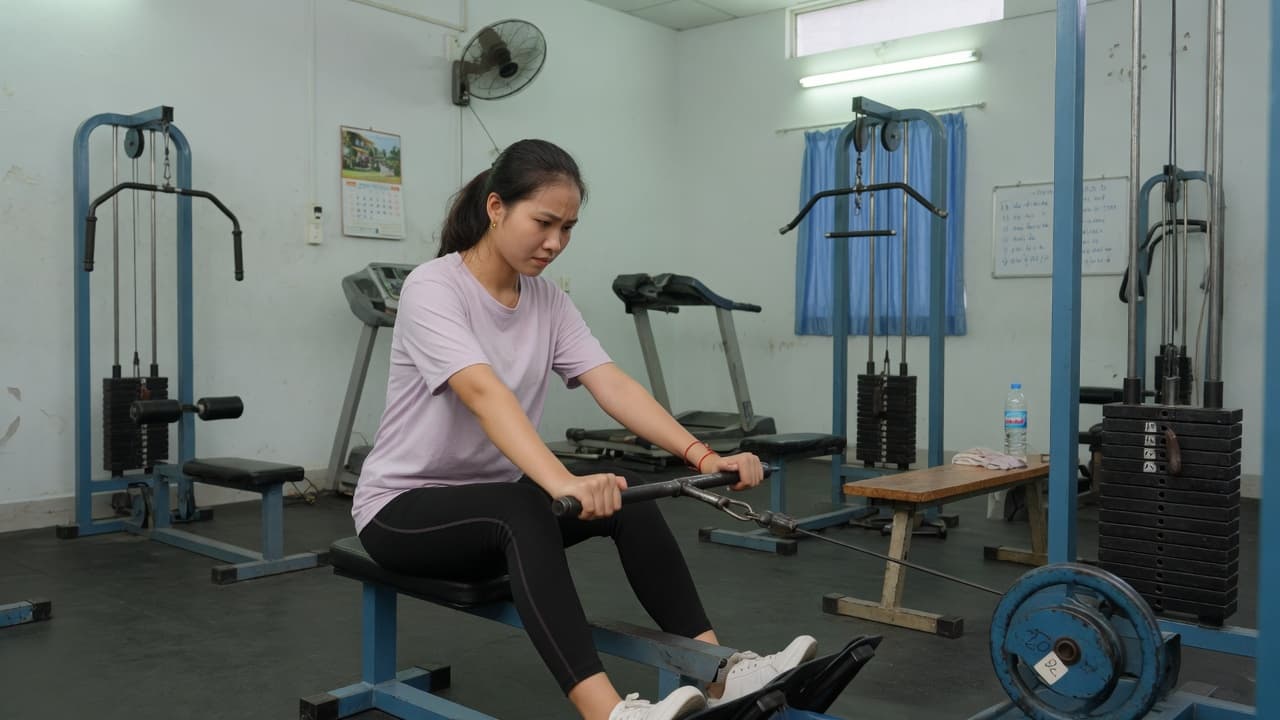
Deadline week, stacked meetings, broken sleep — and the app still shows “heavy lower + accessories” — is a recipe for burnout. Psychological stress is not a reason to “vent” with HIIT at 11 p.m. More practical: cut volume (set count), keep walking and protein, lower RPE — so next week you still have a body to train with.
This is not a performative social-media deload. It is load management when real life invades the program.

Why stress makes sessions “heavier” on paper
Short sleep, more caffeine, irregular eating, and work tension all slow recovery. The same load can jump a full RPE point. Keeping every accessory set just to “not miss the week” often ends in ugly form, irritability, or a mild illness by weekend.
Muscle does not know you have a Monday presentation. The nervous system does. Keep the important main sets at a moderate intensity, cut accessories, and drop the idea of adding calorie-burn sessions because stress snacking happened.
How to cut volume specifically
- Keep 1–2 main lifts per session (e.g. squat + light hinge, or bench + row).
- Cut 30–50% of accessory sets: face pulls down to 2 sets, biceps skip or 1 set.
- Lower target RPE: leave about 2–3 reps in the tank instead of grinding near failure.
- Keep frequency if you can: 3 short sessions usually feel better than one 2-hour “atonement” lift.
- Cardio: conversational-pace walking; avoid late-night intervals.
A successful stress week is one where you still show up for the main sessions with clean form — not a PR week inside a red inbox.
Protein and calories: do not cut further
Many people stack stress with “tighten eating for control.” Result: fatigue on fatigue. Keep protein near your usual daily target, spread across meals. Carbs can trim slightly if you sit more, but cutting both hard (poor sleep + deep deficit) wrecks sessions and mood.
Simple meal prep or ordering a protein-adequate meal still beats a week of coffee and rushed sandwiches. Eating–recovery rhythm on rest: rest days for soreness.
Do and don’t
Do
- Set a minimum bedtime; 20-minute nap if afternoons crash — 20-minute nap.
- Walk 20–40 minutes/day, including “non-training” days.
- Log true RPE; if numbers are unusually high, drop load next session.
- Lock caffeine to your personal threshold — caffeine cutoff.
Don’t
- Add 11 p.m. HIIT to “vent stress” then sleep 5 hours.
- Rewrite the whole program midweek from FOMO.
- PR because a coworker said you “look strong.”
- Drop all protein shakes/protein meals because you “don’t deserve food.”
Sample trimmed 3-session week
- Session A: Squat or leg press 3×5–8 @ RPE 7; light hinge 2×8; short core.
- Session B: Horizontal push 3×6–8; horizontal pull 3×8–10; face pull 2×12.
- Session C: Light overhead or machine push; vertical pull; incline walk 15–20 minutes.
Cannot hit 3? Two 35-minute full-body sessions keep rhythm better than vanishing for 10 days then returning to maxes.
After deadline week
Do not “pay back volume” by doubling sets next week. Return to normal volume over 7 days, catch up sleep reasonably (not one 14-hour binge that wrecks the clock), and only raise load when RPE is back to baseline. If stress stretches many weeks, the program needs an intentional deload — not endless grit.
Signs you need real rest / care: sharp joint pain, fever, unexplained exhaustion, or anxiety wrecking eating and sleep — then general health comes before the aesthetic of a perfect training calendar.
FAQ
Only stressed 2–3 days — still cut volume?
You can just trim accessories and keep main sets. If sleep is under 6 hours several nights plus a deadline, cut harder on purpose instead of waiting for form to break mid-session.
Is training the best stress relief?
Moderate movement often helps mood, but high-intensity nights when already wiped can backfire. Walking and slow breathing after training — breathing and recovery — sometimes release more than five more broken-form sets.
Tell the coach or edit the app?
Yes. One note — “deadline week, −40% accessories” — keeps you from guilt-tripping skipped isolation. Long-term discipline includes knowing when to lower load.
Disclaimer: Load-management ideas for work stress — not medical or mental-health care. If stress comes with severe anxiety/depression symptoms or unusual pain, seek the right professional.