Sitting 8–10 hours turns the front of the hips and the glutes “offline”: stand up and the low back complains, squat and it is hard to stay tall, hinge and it feels like only the back is working. A 10-minute morning hip mobility session will not make you a yoga athlete in a week — but it is enough to bring blood to the joints, remind the brain of usable range, and make later training feel less like a machine that never warmed up.
The sequence below prioritizes controlled movement and breathing — not max ROM while tissues are still cold. Sharp pain means back off the range.
Rules before you start
- Light warm-up first: 20–30 steps in place or 1 minute of knee–ankle circles.
- Comfortable stretch, not stabbing: especially at the knees and low back.
- Exhale a beat longer than inhale while holding positions.
- Does not replace lifting warm-ups: mornings are for mobility; before heavy sets still ramp up as in the 8-minute warm-up.
10-minute sequence (in order)
1. Standing or hands-and-knees hip circles (1 minute)
Draw small circles with the knee/hip about 30 seconds each side. Goal is a “lubricated” feel, not wild spinning.
2. Low world’s greatest stretch variation (2 minutes)
Long lunge, same-side hand inside the front foot, gently open the chest then return. 4–5 breaths each side. Keep the hips from dumping sideways.
3. 90/90 sit (2.5 minutes)
Sit in 90/90, long spine, optionally lean lightly toward the front leg in a controlled range. 5–8 breaths each rotation direction. Uncomfortable knees: sit on a pad. Related positions also appear in hip–chest–hamstring stretching.
4. Light couch stretch or lunging hip flexor (2.5 minutes)
Back knee on the mat (or rear foot low on a low chair if familiar), gently tuck the pelvis, feel the front of the rear hip. 6–8 breaths each side. Mornings: do not force depth like a late-night video after you are already warm.
5. Slow glute bridge (1.5 minutes)
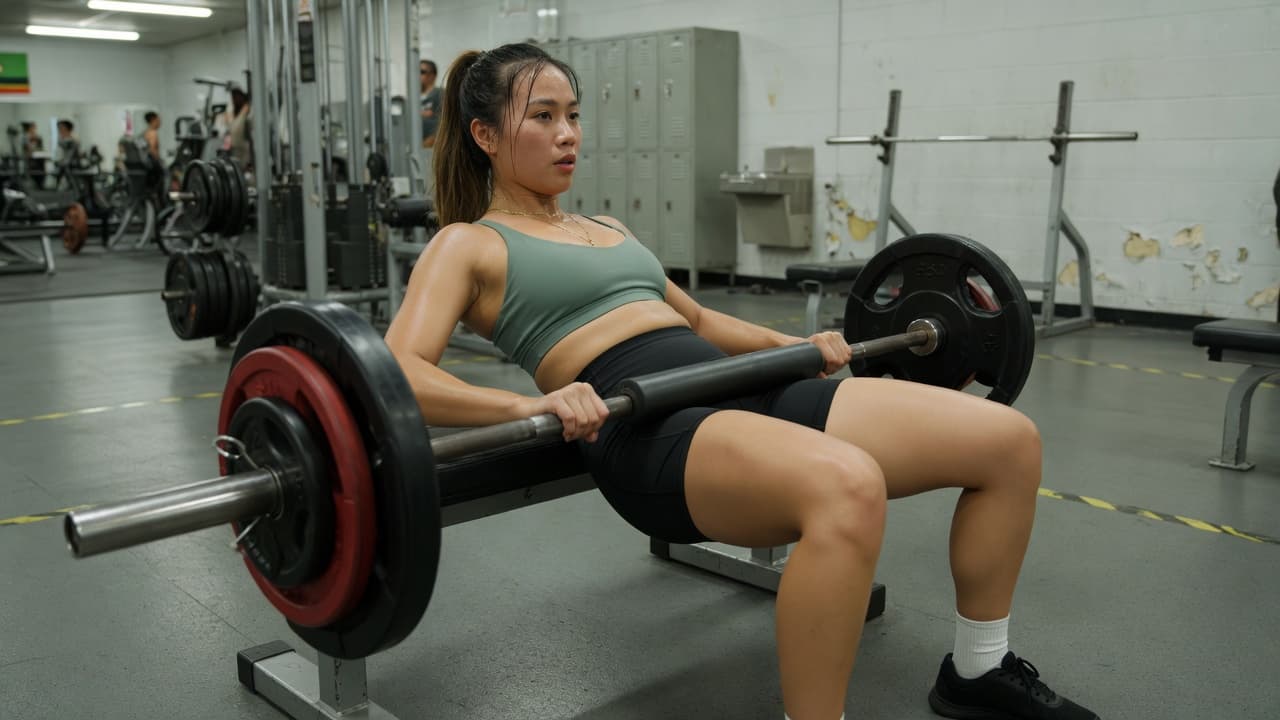
Lie on your back, feet planted, drive the hips up slowly 8–10 times, hold 2 seconds at the top, lower with control. This is glute activation more than pure stretching.
6. Box breathing or belly breathing 1 minute
Sit or lie down; easy inhale–hold–exhale–hold (e.g. 4–4–4–4) or simply slow belly breaths. End the sequence alert, not winded.
Ten consistent morning minutes beat one hour of “depth PRs” then two weeks off.
Fit with leg days and office days
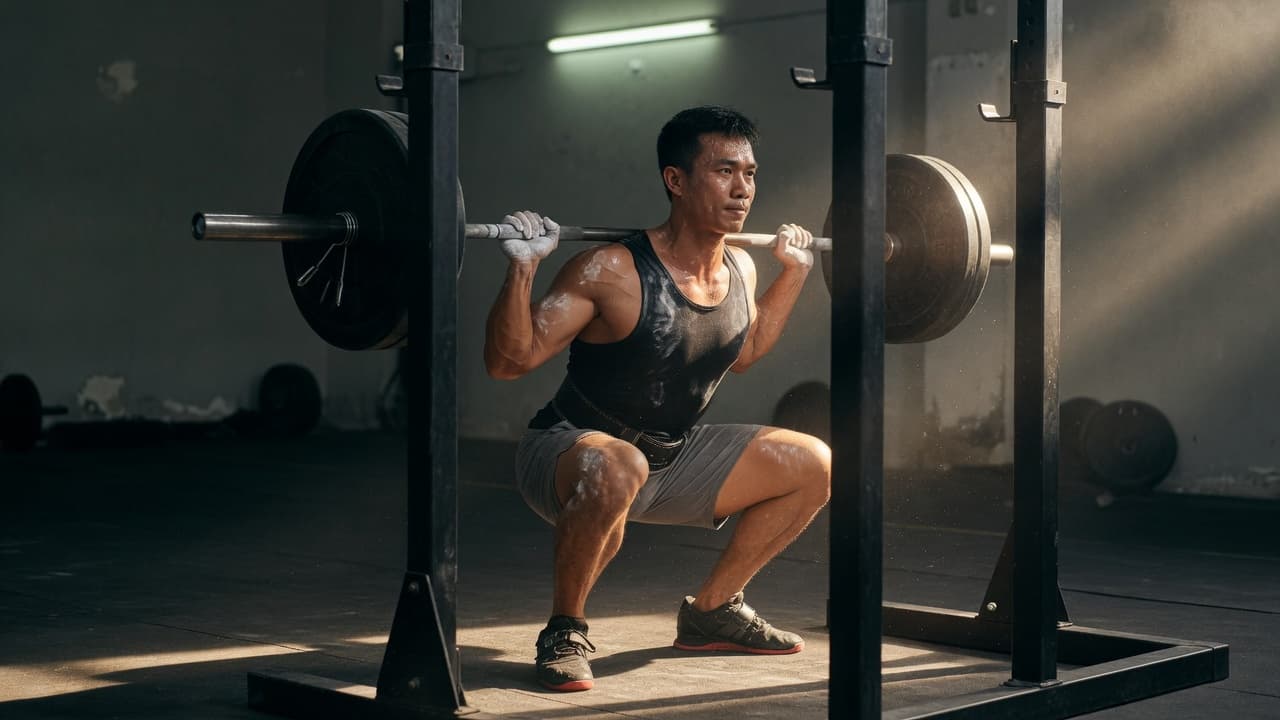
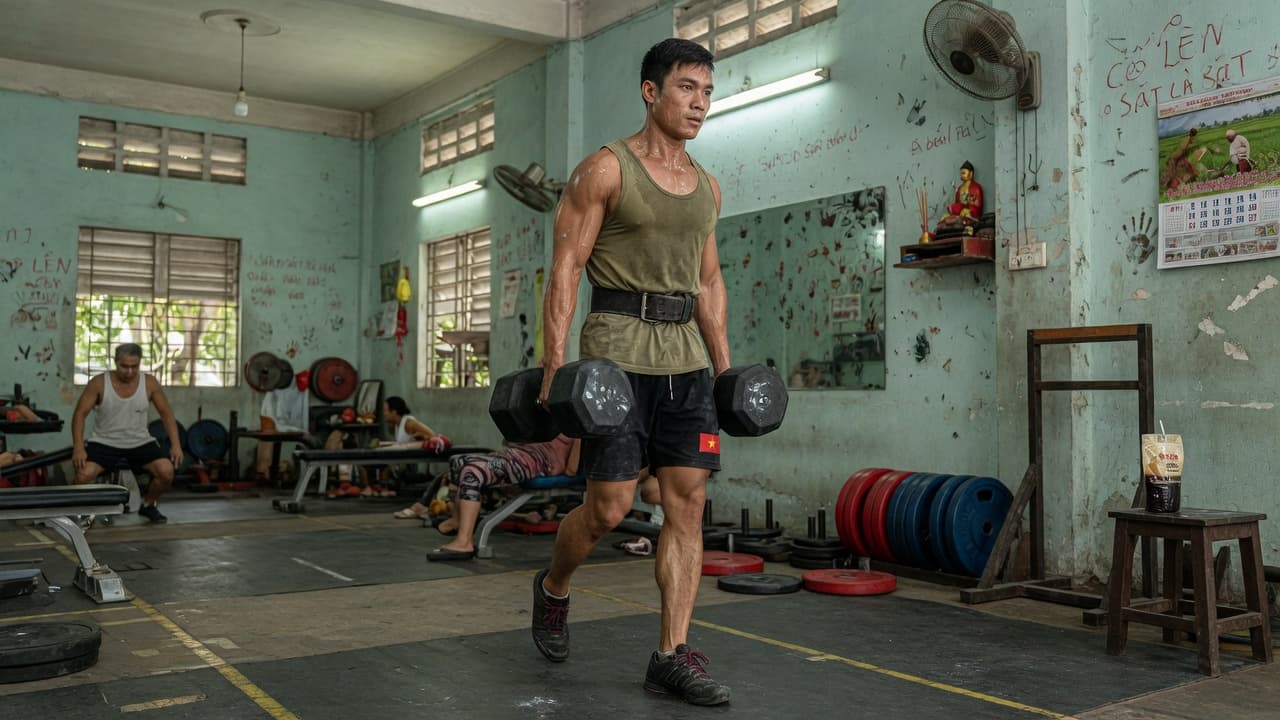
Squat/hinge days: the morning sequence deepens the feel; still warm up separately before barbell work. Meeting-only days: the full 10 minutes already counts; add a post-meal walk if you can — see walking after meals.
Office workers often mistake stiff hips for “must force deep pigeon now.” If the back complains when you push, reduce depth and prioritize bridges plus walking. Leg training for office workers adds a strength direction, not stretch-only.
Common mistakes
- Forcing the chest to the floor in every hip-opener.
- Holding the breath and shaking to earn 30 more seconds.
- Going cold straight out of bed and skipping the light warm-up.
- Only stretching the front of the hip, forgetting glute activation — you stand up still “glute dead.”
- Turning the morning into HIIT because the playlist is too hype.
Track real progress
After 2 weeks ask: is holding a squat balance easier? Are stairs less hip-stiff? Did first-set squat RPE drop? Those measures beat Instagram angle photos.
If one hip is sharp when rotating, you have a joint injury history, or pain radiates down the thigh nerve-style — stop the sequence and get a professional assessment instead of “forcing more open.”
FAQ
Morning or after training at night?
Morning fits habit and overnight stiffness. After training (already warm) you can hold positions a bit longer. Doing both is fine if total time does not become a second workout that pushes bedtime later.
Do I need a band or machine?
Not for this 10-minute pack. A mat and a wall/low chair are enough. Add a band later once you are consistent and pain-free.
How soon will squats go deeper?
Mobility is only part of it. Clean deep squats also need strength, technique, and thighs–ankles. Many people feel clearly better after 1–3 consistent weeks; squat loading still progresses by form, not by “I opened up this morning.”
Disclaimer: Movement sequence for healthy people reducing sit-related stiffness. Not physical therapy or diagnosis. Acute joint pain, radiating numbness, or post-surgery needs personal guidance from a clinician.