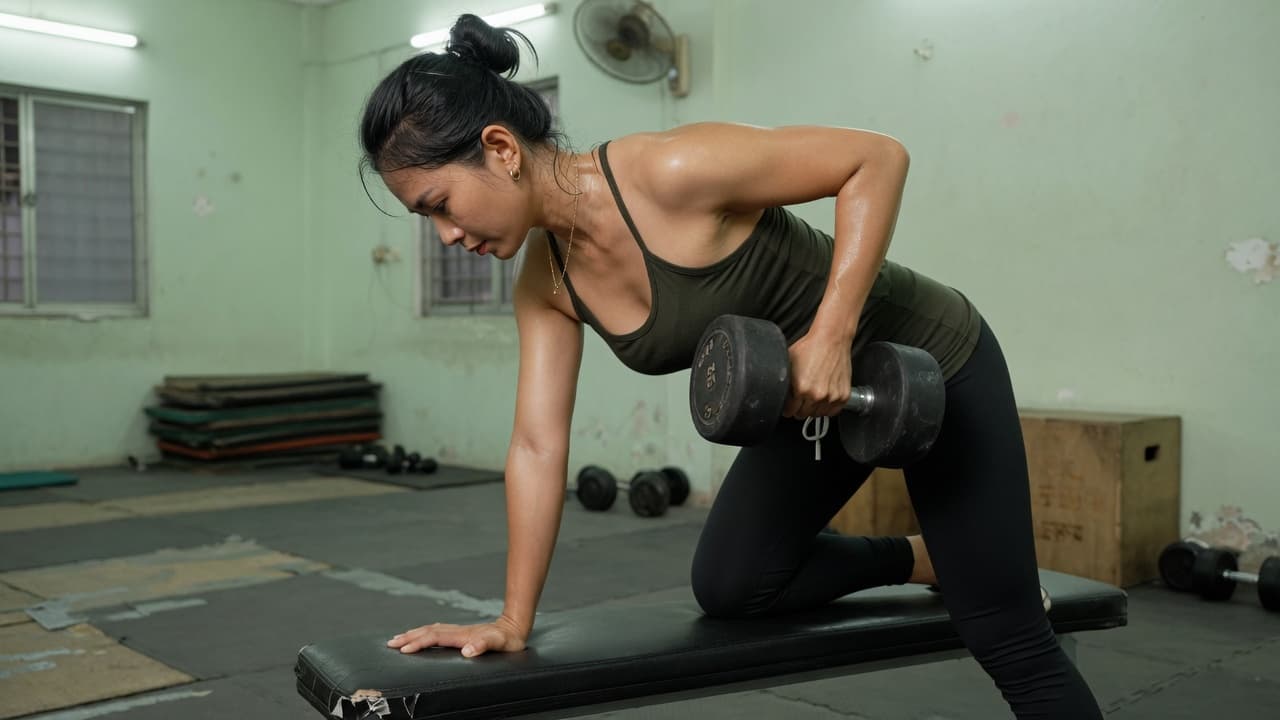
This article does not diagnose PMDD (premenstrual dysphoric disorder) and does not replace a doctor visit. If you suspect mood–body symptoms before your period are severe, affecting work, sleep, or safety, talk with a clinician. Below are general educational training ideas for days you feel very tired, irritable, and sleep-poor around the late luteal–early period window: cut volume, prioritize walking and technique lifting, no PRs, keep protein and sleep.
Training light ≠ “quitting”
An intentional load cut is recovery management, not laziness. Forcing PRs with a headache, short sleep, and low mood invites ugly form, higher injury risk, and more gym hatred.
- Keep the show-up habit: get to the gym or leave the house.
- Lower RPE: leave more reps in the tank.
- Cut set count or switch to more stable machine work.
- On the heaviest days, walking only 20–40 minutes is allowed.
Identity continuity is kept by smart show-ups, not by pretending every day is the same.
“Heavy day” frame ideas
| Part | Suggestion |
|---|---|
| Warm-up | 5–8 minutes easy walk / bike |
| Main | 1–2 technique compounds, 2–3 sets, light–moderate load |
| Accessories | Stable machines or bands; skip failure sets |
| Finish | More walking or light breathing–stretching |
Avoid punishment HIIT; avoid turning the session into a body-criticism session. If you follow a beginner women’s plan, shrink to a short session instead of canceling the whole week — similar spirit to gym plan for women beginners.
Protein, moderate carbs, and sleep
On tired days, do not cut calories to the month’s lowest. Prioritize:
- Familiar protein at main meals for fullness and muscle retention.
- Moderate starch if you still train — supports energy and mood better than a harsh carb cut.
- Limit late caffeine if you already sleep poorly in this phase.
- Sleep is priority one; training is secondary when sleep debt is severe.
Cravings and scale jumps around the period are common from water–glycogen; nutrition angle: eating during your period without wrecking the plan. Tracking: progress tracking for women beyond the scale.
Signals to stop training and seek support
- Unusual pain, lasting dizziness, fainting.
- Severe psychological symptoms, self-harm thoughts, inability to manage daily life.
- Lasting amenorrhea while cutting food–training hard (needs medical evaluation).
Again: this article does not conclude whether you have PMDD. Only a doctor/clinician diagnoses and treats.
Note the cycle on the training calendar
- Mark typically heavy days (if you have tracked a pattern).
- Schedule PRs and high volume away from those days when possible.
- Prewrite a walk + technique session so you do not bargain.
- Tell a training partner that on day X you may go light solo — lowers social pressure.
A flexible plan helps you not break consistent-trainee identity every month.
What not to do
- Self-diagnose and buy internet protocols.
- Compare a bloated-day body check with someone else’s feed photos.
- Fast because of temporary scale rise.
- Stack late cardio nights to “make up” a walk-only day.
FAQ
Should I rest the entire week before my period?
Not required. Many people feel better with walking and light lifting. If symptoms are very severe, rest and medical/sleep care is reasonable — listen to your body plus professionals, not “never miss a session” pressure.
Does training cure PMDD?
No. Movement may support general feel for some people, but it is not treatment and does not replace medical care. This article does not claim light training is a PMDD protocol.
Can I raise load if that day unexpectedly feels okay?
You can do a full session with honest RPE. Still avoid sudden PRs if the prior night’s sleep was very poor — stability beats one heavy set.
Disclaimer: Educational only on adjusting training volume around tired pre-/early-period days. Not a diagnosis of PMDD, PMS, or any condition, not a prescription for treatment, medication, or therapy. Consult a doctor or suitable professional before changing training–eating programs if symptoms are severe, you have chronic disease, are pregnant, or take medication.