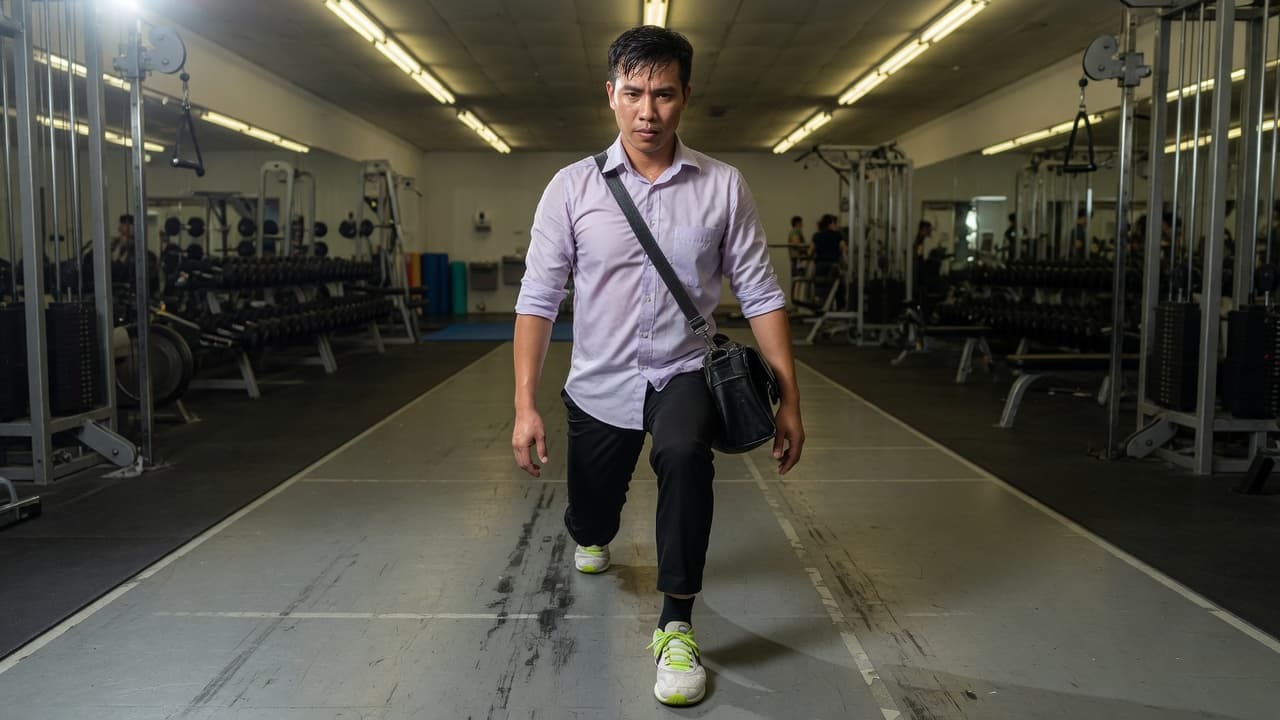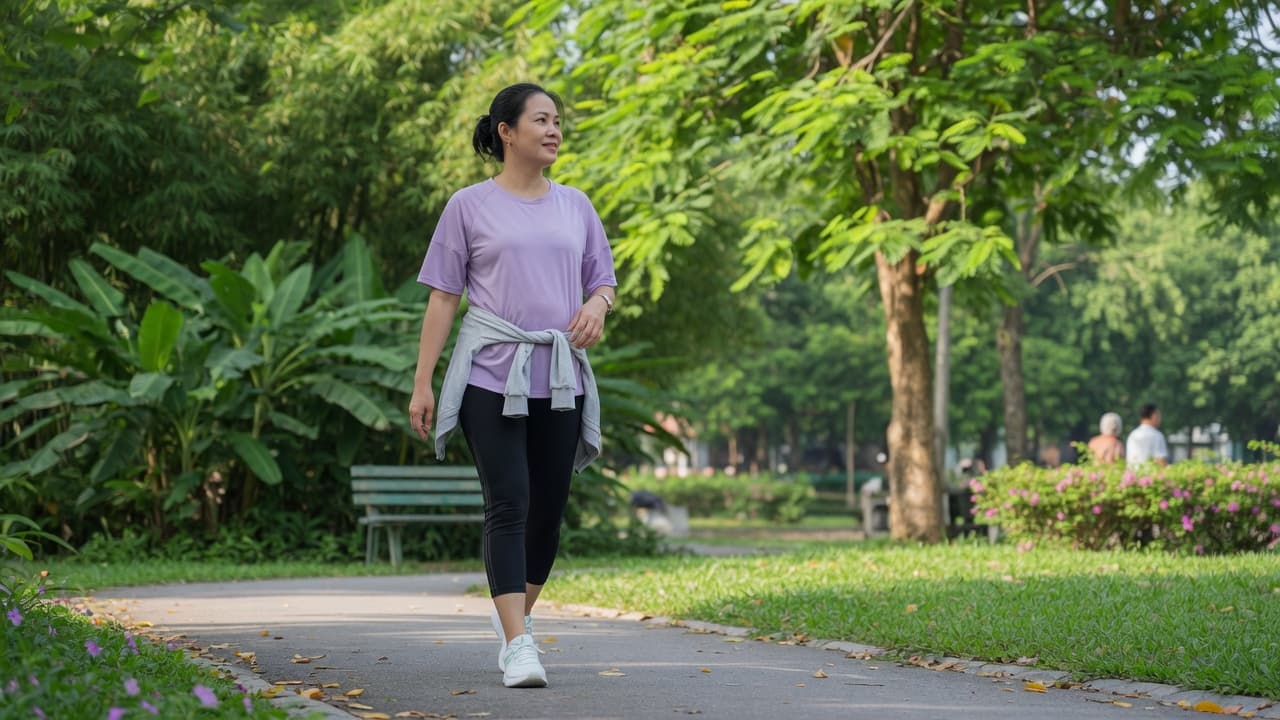
Public gyms in Vietnam get crowded at peak hours: scarce racks, plates in the walkway, people filming without asking. Safety is not only “watch your back” — it is also collars, asking for space, yielding to others, and not turning strangers into content. The short checklist below cleans risk from a session without a long lecture.
Good gym culture protects you and the beginner next to you.
8-item checklist before and during the session
- Collars / clips: always clip when benching, squatting, or pressing with loose plates. Sliding plates are a classic accident.
- Ask for the rack and “still working sets?” before hovering in someone’s face.
- Check bench–supports–safety pins on machines and squat racks before heavy sets.
- Do not stand behind someone deadlifting in the bar’s possible drop zone.
- Wipe sweat from benches and handles after use.
- Return plates to the right trees; do not turn aisles into obstacle courses.
- Do not film strangers with clear face/body without consent — including intentional “background” shots.
- Know when to stop: sharp pain, dizziness, or no safe spot means lower the load — soreness vs injury.
A PR does not count if a plate hits the person next to you or you occupy a rack for 20 minutes of selfies.
Spotting and heavy sets
Heavy bench: ask someone who knows how to spot, agree on reps and the fail signal. Do not assume a stranger will catch the bar in time. Squat in a rack with pins at the right height. Training alone late: prefer machines or loads you fully own.
Warm up enough before compounds — 8-minute warm-up — cuts risk more than wearing a belt and skipping feel sets.
Shared space and equipment
- Do not occupy a whole functional area just to leave a bag and shoot slow-motion.
- Ask before “jumping in” supersets on the same machine if the other person is resting on the clock.
- Cables and plates: check the pin before a hard pull.
- Sweaty wet floors: wipe or move; slipping is more dangerous than a high RPE.
Clean soles; do not track sand onto wood floors; if heels are an issue pick suitable moves — training shoes and heel pain.
Filming, music, and conduct
Need form video for a coach: choose a low-traffic angle, ask quickly if someone enters frame with a clear face, delete if they request it. Do not clip struggling lifters for views. Keep headphone volume moderate so you still hear “is this free?” and danger cues.
Teens or beginners: encourage by yielding racks and not laughing at form — gym mindset is long-term culture, not only about you.
When sick or wiped out
Fever, heavy cough: stay home. Mild stuffy nose and you still come: wipe carefully, avoid hard breathing in someone’s face, consider walking only — frame in training while mildly ill. Stress week: cut volume instead of maxing when focus is gone — stress week, cut volume.
FAQ
Forgot collars but the plates are light — okay?
Still clip. Light plates still slide when the bar tips; the habit does not split into “heavy only.”
Someone leaves plates everywhere — can I remind them?
One polite reminder is usually fine. Avoid escalating loudly in the aisle. Tell staff if plates block an exit or are clearly dangerous.
Training alone late — should I drop compounds?
Not mandatory, but choose loads with safety pins, machines, or moves you always own. Ego sets when the gym is empty are quiet risk.
Disclaimer: General gym-practice safety checklist — not a substitute for each facility’s rules or post-injury medical guidance. In an accident, call help/medical care for the situation — do not rely on this article for emergency response.