A thick back and a wide back do not come from one move alone. Hang rows (horizontal pulls, torso hinged or chest-supported) emphasize thickness and mid–lower back; lat pulldowns (vertical pulls from above) emphasize width and the “wing” feel. Doing both in a week builds shape and pulling strength better than only “max pull-ups” or only seated cable rows. This article splits roles, form cues, and how to place them in a plan.
You do not need expensive machines: dumbbells, a bar, a high cable, or a solid band can build sensible variations.
Hang row: build thickness
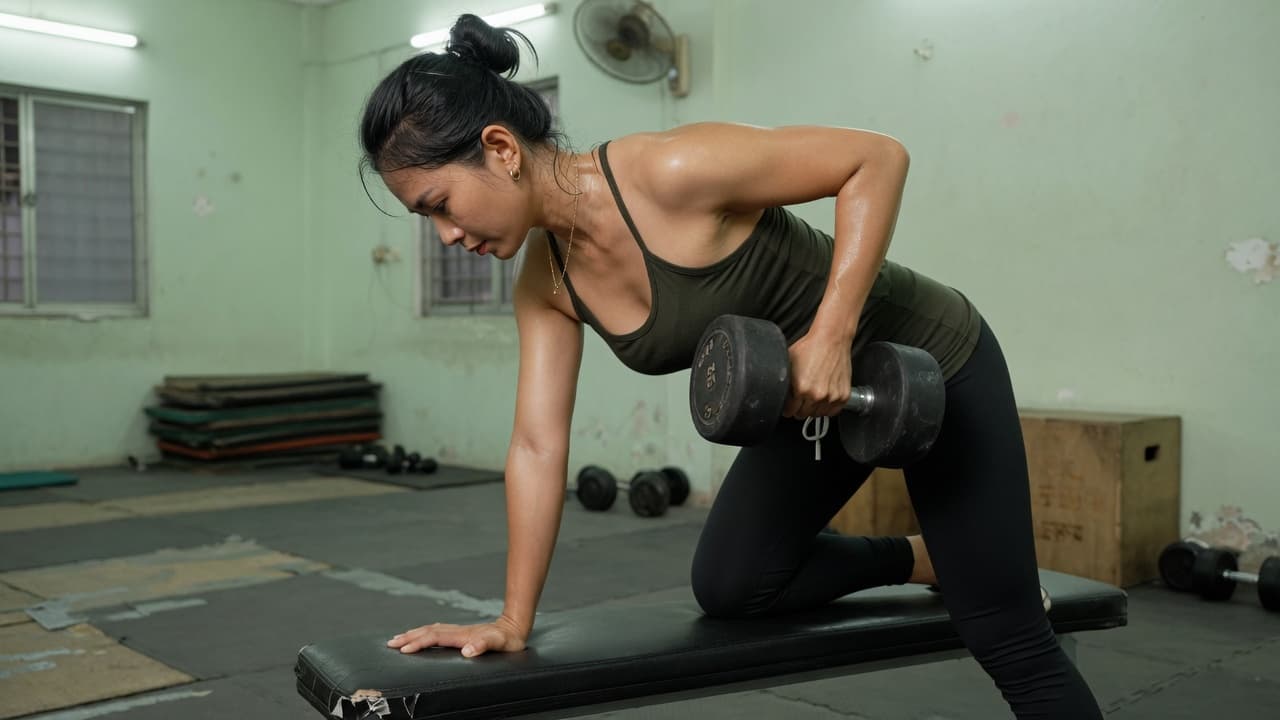
In a light hinge or prone on an incline bench, pull so the elbows travel back—slightly close to the torso—and the chest moves toward the grip. Avoid yanking with the low back and shrugging toward the ears.
- Cue: “chest to the bar/handle – scapulae squeeze at end range – lower slowly.”
- Heavy sets: 3–4×6–10, rest 90–150 seconds.
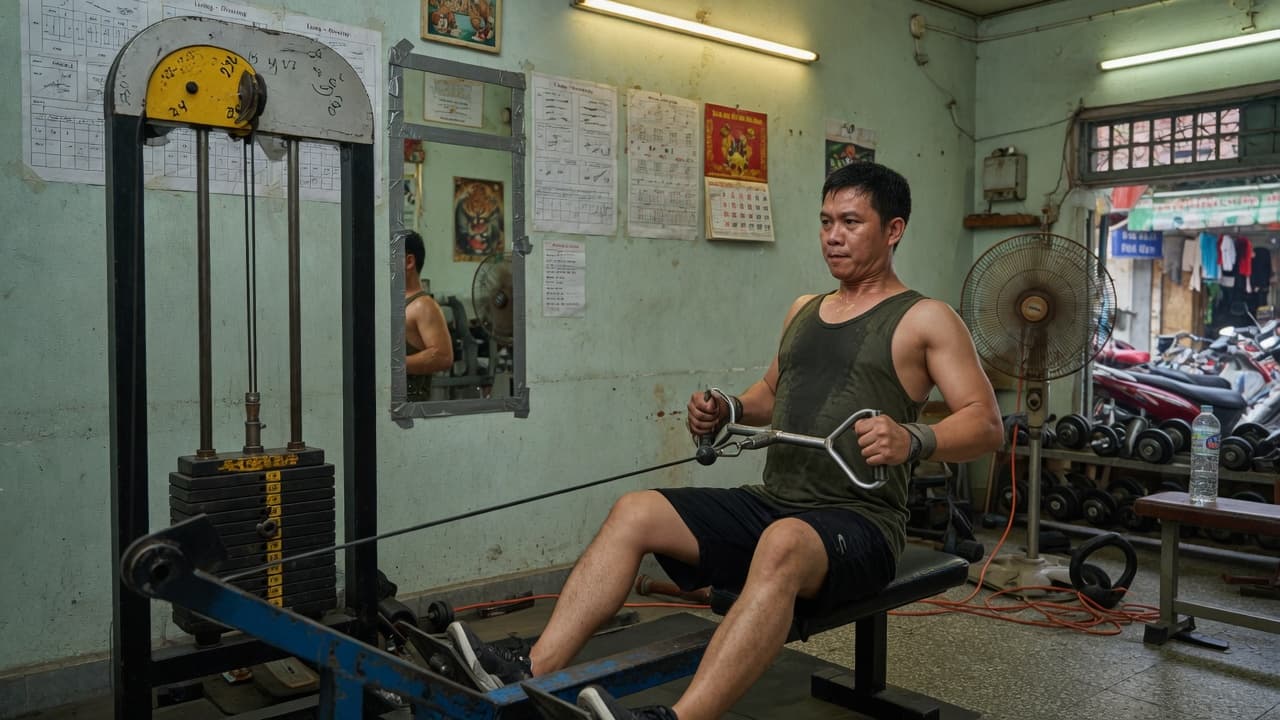
- Variations: bent-over row, chest-supported row, seated cable row, seal row if you have a bench.
If the low back always “helps too much” on bent-over rows, switch to chest-supported or seated cable until the hinge and brace are solid.
Lat pulldown: build width
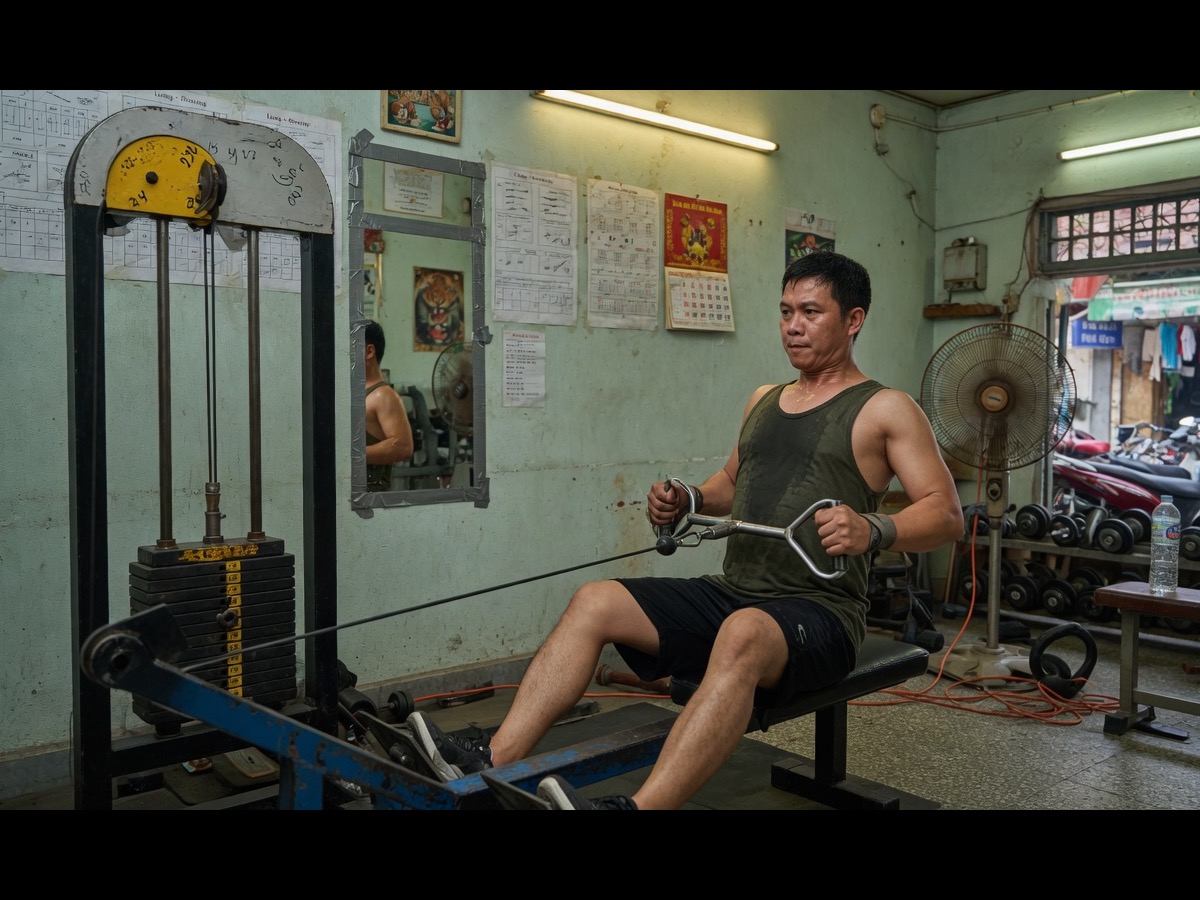
Sit firmly, torso tilted slightly back (no swinging), pull the bar toward the collarbone–upper chest. Elbows travel down—slightly in front of the torso; think “elbows into hip pockets” more than just bending the elbows. Avoid behind-the-neck pulls if the shoulders complain.
- Grip moderately wide; too wide often loses range and shifts the shoulders.
- Lower under full controlled tension — do not drop the weight.
- 3×6–12 depending on strength vs volume goals.
Pull-ups/chin-ups are pulldown cousins: if you cannot get on the bar yet, pulldowns and assisted work are a valid bridge, in the same spirit as other strength progressions in this journal.
Quick comparison
| Criterion | Hang / horizontal row | Lat pulldown / vertical pull |
|---|---|---|
| Main direction | Horizontal, elbows back | Vertical, elbows down |
| Shape emphasis | Thickness, mid-back | Width, lats |
| Common faults | Yank with the back, shrug | Swing, painful behind-neck pulls |
| Place in the week | Every pull/upper day | Alongside rows — do not replace all of them |
Fitting into PPL and upper–lower
Pull day in 6-day PPL: one heavy row + one pulldown/pull-up is enough spine for the session. Upper A/B in advanced upper–lower can rotate row angles and pulldown grips across days.
- Scapula warmup and light band pull-aparts.
- Heaviest pull of the week (usually row or pull-up).
- The other direction.
- Face pull or reverse fly 2 sets — face pull.
- Biceps if grip still allows.
People who press a lot and pull little often drift into poor shoulder posture; balanced pulling also supports friendlier chest training in chest training without shoulder pain. Overhead press also relies on a stable upper back: safe overhead press.
Grip, straps, and progress
A weak grip ends rows early even when the back is not tired. Sprinkle short farmer carries in the week (farmer carry) or hold the end range for 1 second. Use straps selectively on very heavy back sets; do not depend on them so much that the forearms never get strong.
- Add load when top-of-range reps are clean; or add 1 volume set on an accessory.
- Film from the side: is the torso swinging too much?
- Sharp front-shoulder pain on pulldowns: narrow the grip, stop behind-neck pulls, check shrugging.
Rest days and sleep still decide whether the back is truly thicker after 8–12 weeks or just always sore — sleep and recovery, rest day.
FAQ
Are pull-ups enough to replace rows?
Pull-ups are excellent vertical pulls but do not fully replace horizontal stimulus. Keep at least one row variation each week if thick back and shoulder balance are goals.
Pull before or after pressing on an upper day?
If the weak point is back/posture, pull first. If bench numbers are the priority, press first then pull. Avoid taking both to total failure in the same session.
Narrow or wide grip on pulldowns?
Moderately wide so the lats lengthen and elbows travel down comfortably. Too wide cuts range; too narrow often turns into more biceps. Try two widths with light load and pick the one with clear lat feel and quiet shoulders.
General training technique only — not a substitute for diagnosing shoulder or back pain. Seek care if you get hand numbness, sudden weakness, or pain that worsens when pulling.