Front shoulders that “complain” after months of chest pressing and overhead work often pair with too little rear–external pulling for the rear delts and muscles around the scapulae. Face pulls with a cable (or band) at the end of a push session are a compact fix: 3 sets, higher reps, moderate load, emphasizing external rotation and a light scapular squeeze. This article covers handle height, elbow–wrist cues, and why face pulls should not become an ego “max weight” lift.
Acute pain, weak arm raise, or suspected tendon tear needs assessment — face pulls are not therapy.
Why the end of a push day
Push sessions already load chest–front delts–triceps. Adding 6–8 minutes of the opposite pull direction balances stimulus without stealing early-session compound slots. You still have enough focus for scapular technique before grip is cooked the way it is after a very long pull day.
- 2–3 sets × 12–15 (10–20 is fine depending on load).
- Rest 45–75 seconds.
- About RPE 7–8: mild burn, form intact.
Setup and cues
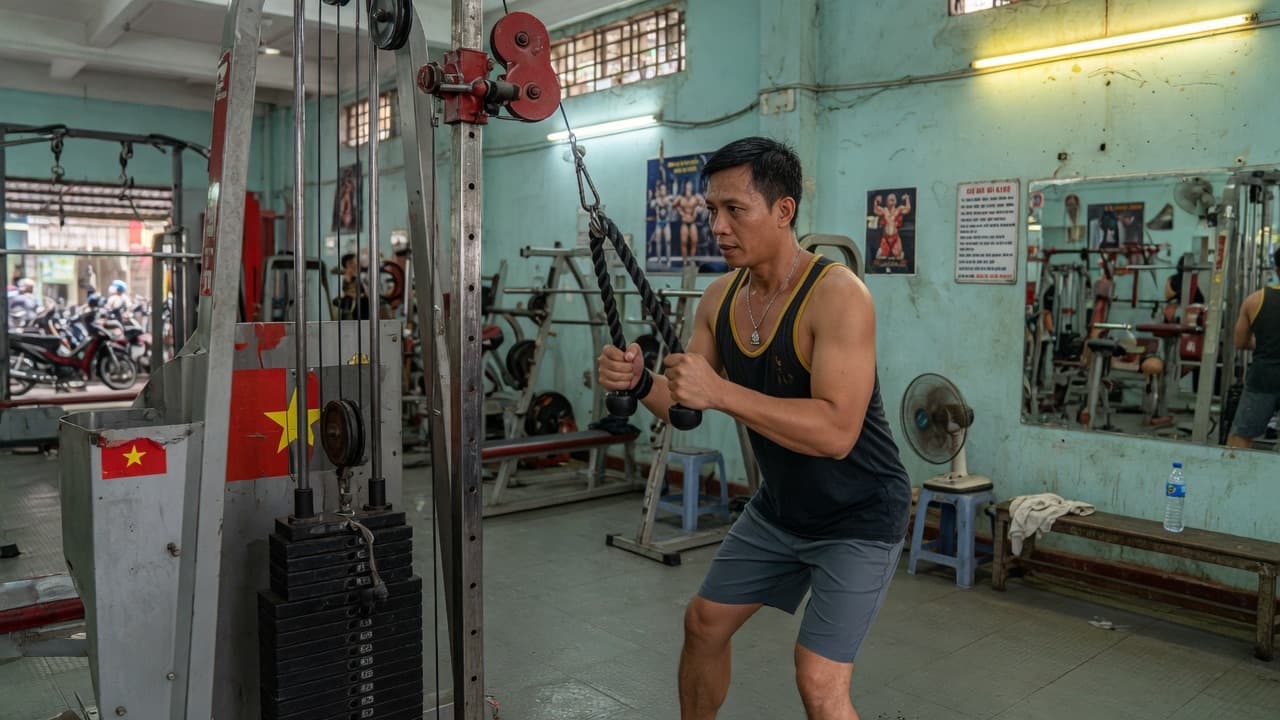
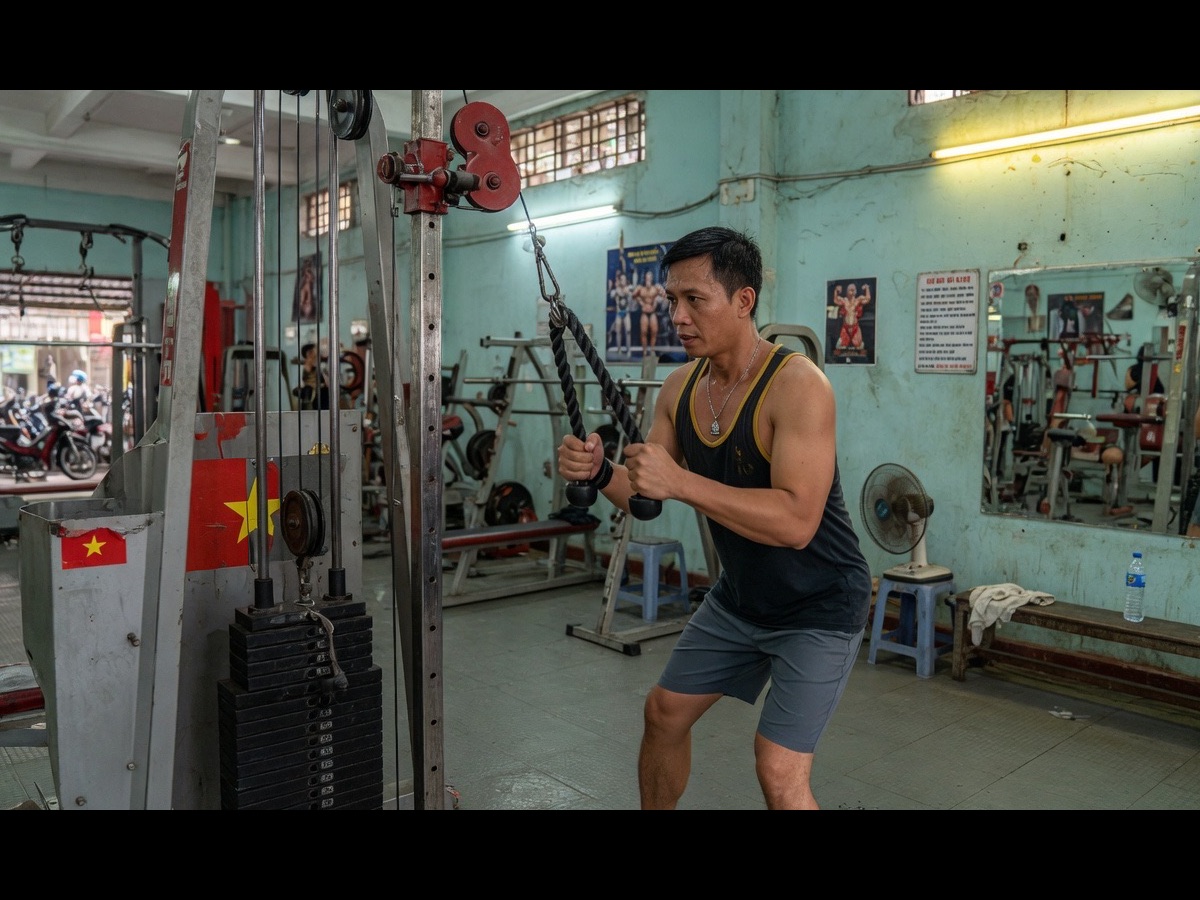
- Cable slightly above head height, rope or dual handles.
- Step back enough for tension at full reach; stand or lean slightly back with a solid base.
- Pull toward face/forehead: elbows travel higher than on a normal horizontal row.
- At end range, rotate lightly so the hands face toward the head; scapulae come together–down, no shrug.
- Return slowly for 2 seconds.
Cue: “elbows wide–high – pull to the face – light external rotation – scapulae down – do not yank the low back.”
A band anchored high on a door or rack works when there is no cable. Choose a band that allows 12–15 controlled reps.
Faults that make face pulls useless
| Fault | Result | Fix |
|---|---|---|
| Too heavy | Low-back yank, lose external rotation | Cut load, raise quality reps |
| Pulling to the chest like a row | Less rear-delt emphasis as intended | Aim at the face, elbows higher |
| Shrugging | Neck–upper trap tension | Cue “shoulders away from ears” |
| Standing too close | Lose end-range tension | Step farther back |
Pairing with chest press and overhead press
After bench or a chest machine — especially while fixing elbow angle for sensitive shoulders — do face pulls as in chest training without shoulder pain. After overhead press, same logic: safe overhead press.
Face pulls do not replace hang rows or lat pulldowns. Thick–wide back still needs rows and pulldowns on pull or upper days. In PPL, put 3 sets at the end of Push A/B; in advanced upper–lower, the end of Upper A is a natural slot.
Warmups can include 1–2 light band pull-apart sets before pressing: 8-minute warmup. Enough pulling also supports posture for people who sit a lot — pair with active rest habits in rest day and enough sleep for recovery.
Short variations
- Light machine/dumbbell reverse fly: substitute when cables are taken, still high reps.
- Band pull-apart: warmup or travel.
- Seated face pull: if standing invites torso swinging.
You do not need rest-pause to failure on face pulls every session; keep quality. When rest-pause fits other isolation better is covered in rest-pause.
Sample 3-set finisher after push
- Set 1: easy–moderate load, relearn pull direction and external rotation (12–15 reps).
- Set 2: nudge load up if set 1 was too easy; still stop before you lose “shoulders away from ears.”
- Set 3: same load or drop if the neck starts shrugging; finish clean.
Total time about 6–8 minutes including rest. If cables are busy, do reverse flies or band pull-aparts for the same sets instead of skipping rear-delt balance entirely.
FAQ
Can I face-pull every day?
Light bands are fine most days for many people. Moderate cable loads suit 3–6 sessions/week depending on muscle–neck fatigue. If the neck is tight or painful, cut frequency and check shrugging.
Will face pulls alone build “big shoulders”?
Not enough. Face pulls emphasize stability and rear delts; shoulder thickness still needs presses, raises, and progressive heavy pulls.
Pull to the eyes, nose, or forehead?
Face–forehead zone so elbows stay high and shoulders stay quiet. If a specific contact point hurts the joint, shift the path slightly and cut load — do not force one rigid cue.
Technical education only — not a substitute for diagnosing shoulder–neck pain. See a doctor or physical therapist for lasting pain, clear weakness, or night pain.