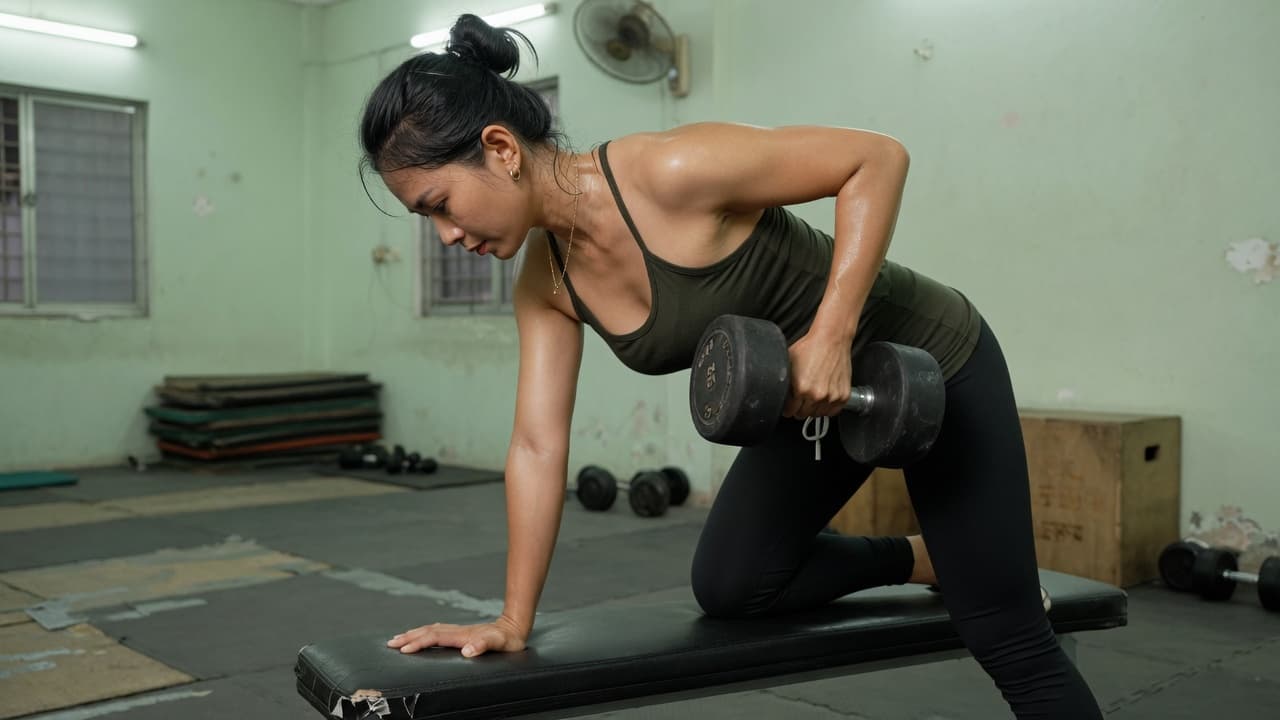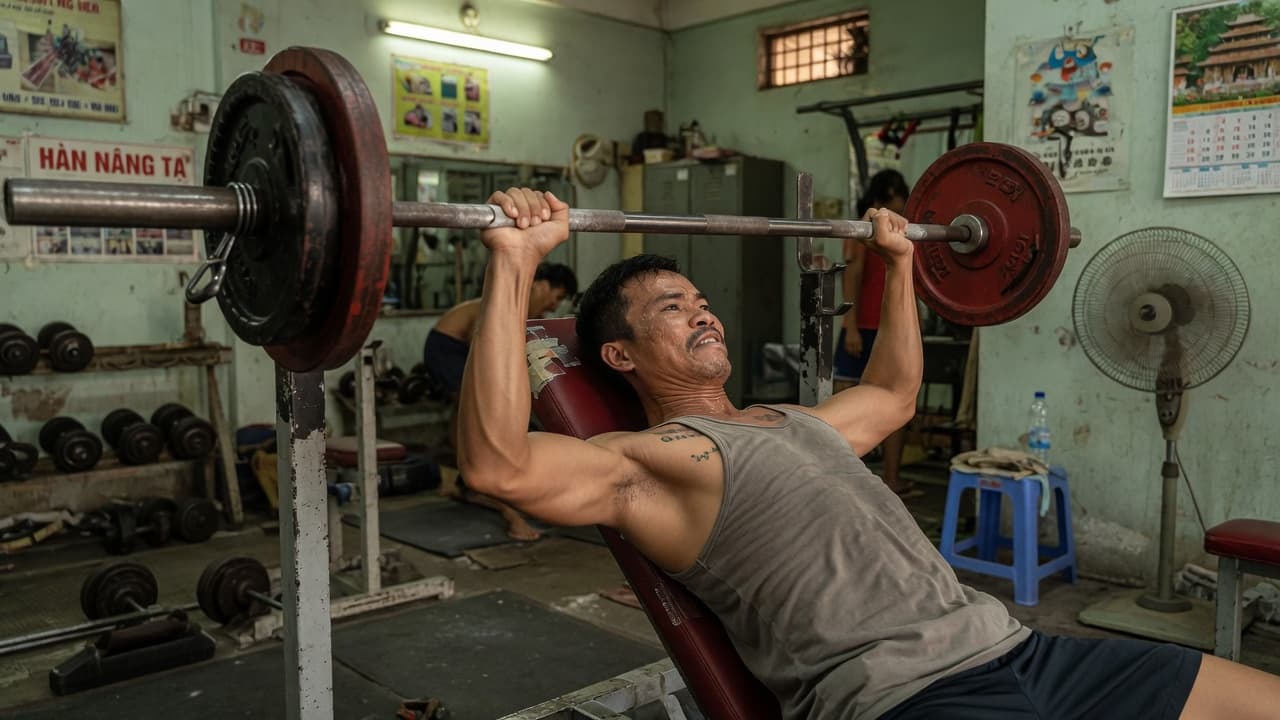
Once you have trained a solid 4-day upper–lower for a few months, load progress slows, and sessions drag because of too many accessories, a 6-day push–pull–legs (PPL) split is a sensible next step. Each movement pattern gets hit twice a week, sessions stay shorter, and you still protect compound technique. This article lays out a self-written intermediate frame — no commercial program brand — with sets, rest, and how to rotate load.
Intermediate here means you already own squat, hip hinge, horizontal press, horizontal/vertical pull, and overhead press with stable form; joints are not in an acute flare; and you can reach the gym nearly every workday plus one weekend session.
Weekly structure: PPL × 2
A common cycle: Push – Pull – Legs – Push – Pull – Legs – rest. You can park the rest day mid-week if work demands it, as long as you do not stack two heavy leg days when the knees are still sore.
- Push: chest, front–side delts, triceps.
- Pull: thick and wide back, rear delts, biceps, light grip work.
- Legs: squat/variation, hip hinge, single-leg work, calves, short core.
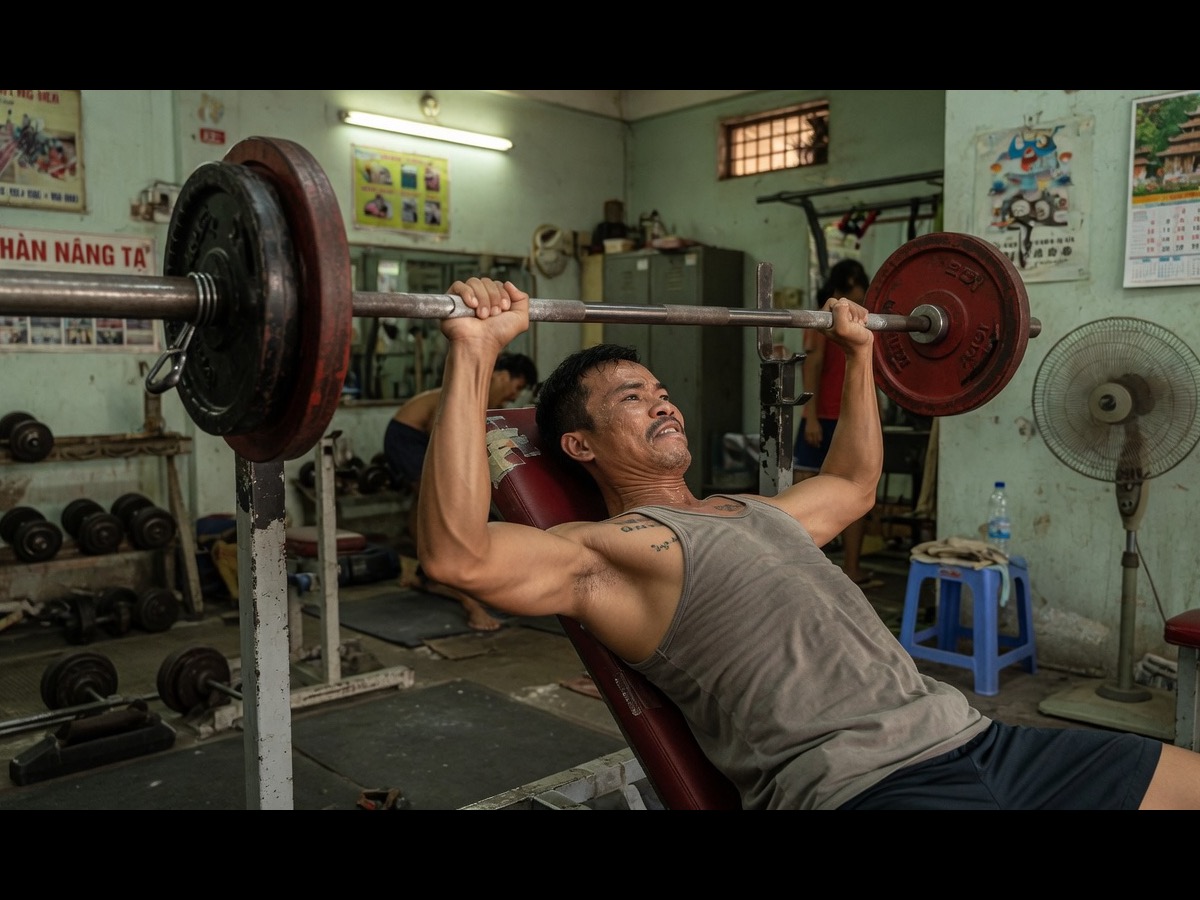
Sample Push sessions (A and B)
Push A prioritizes flat horizontal press and overhead; Push B uses a slight incline and machine/shoulder accessories. Keep 4–6 moves — do not cram 10 isolation lifts.
- Barbell or dumbbell bench press: 3–4×5–8, rest 2–3 minutes.
- Standing or seated overhead press: 3×6–10, rest 2 minutes. Safety cues: safe overhead press.
- Incline dumbbell or machine chest press: 3×8–12.
- Lateral raise or machine lateral: 2–3×12–15.
- Cable triceps or light dips: 2×10–15.
At the end of Push A/B, 2–3 sets of face pulls help balance the front delts — details in face pull for front-shoulder relief.
Sample Pull session
- Hang row or bent-over row: 3–4×6–10.
- Lat pulldown or assisted pull-up: 3×6–12.
- Chest-supported row or seated cable: 3×8–12.
- Face pull or reverse fly: 2–3×12–15.
- Easy-to-control biceps work: 2×10–15.
How row and pulldown split “thickness vs width” is covered in hang row and lat pulldown. Do not drop horizontal pulls just because you “prefer the bar” — a thick back needs both directions.
Sample Legs session
- Squat — or goblet/leg press if the back is fried: 3–4×5–8.
- Romanian deadlift or loaded hip hinge: 3×6–10. If the hinge still feels messy, revisit the hip-hinge stick drill before adding load.
- Bulgarian split squat or lunge: 2–3×8–12/leg — progression in Bulgarian split squat.
- Calf raise: 2–3×10–15 per calf raise done right.
- Dead bug or side plank: 2 short sets.
| Day | Session | Priority |
|---|---|---|
| 1 | Push A | Flat press + standing press |
| 2 | Pull A | Heavy row + pulldown |
| 3 | Legs A | Squat + RDL |
| 4 | Push B | Incline + shoulder accessories |
| 5 | Pull B | Different pull angle, grip |
| 6 | Legs B | Single-leg + lighter hinge |
| 7 | Rest | Walk, sleep, eat enough |
Sets, RPE, and progress
Main compounds: stop around RPE 7–8 (2–3 reps in reserve). Accessories: RPE 8–9. When you hit the top of the clean rep range two weeks in a row, add 2.5 kg on the main lift or one accessory set — do not raise everything at once.
Six days does not mean failure every set. High frequency needs clean technique and clear recovery margins.
When not to jump to 6-day PPL yet
- Under 4–6 months of training, or still wobbly on squat/hinge.
- Chronic sleep under 6 hours, high work stress.
- Acute shoulder–knee pain; cut frequency and fix form first.
- You only make 3–4 sessions/week — then advanced 4-day upper–lower or the beginner basic upper–lower beats forcing six mediocre sessions.
Rest days should still include light movement; practical ideas in what to do on a rest day. Muscle recovery also depends on sleep — see sleep and muscle recovery.
FAQ
Is 6-day PPL better than upper–lower?
Not absolutely. PPL fits when you want shorter sessions and twice-per-pattern frequency with lots of gym access. Four-day upper–lower is usually easier to live with for work schedules and recovery.
Can I reorder Push–Pull–Legs?
Yes, as long as you keep sensible spacing between two sessions of the same pattern and do not stack two heavy leg days when joints are tired. Some people put legs before push if lower-body strength is the priority.
On pull day, should pull-ups come before rows?
If pull-ups are a technical weak point and you are fresh early in the session, prioritize them. If thick back and horizontal load are that week’s main goal, heavy rows first still make sense.
This article shares a general training frame, not rehab or medical advice. See a doctor or qualified professional if you have joint pain, dizziness, or underlying conditions before increasing training frequency.