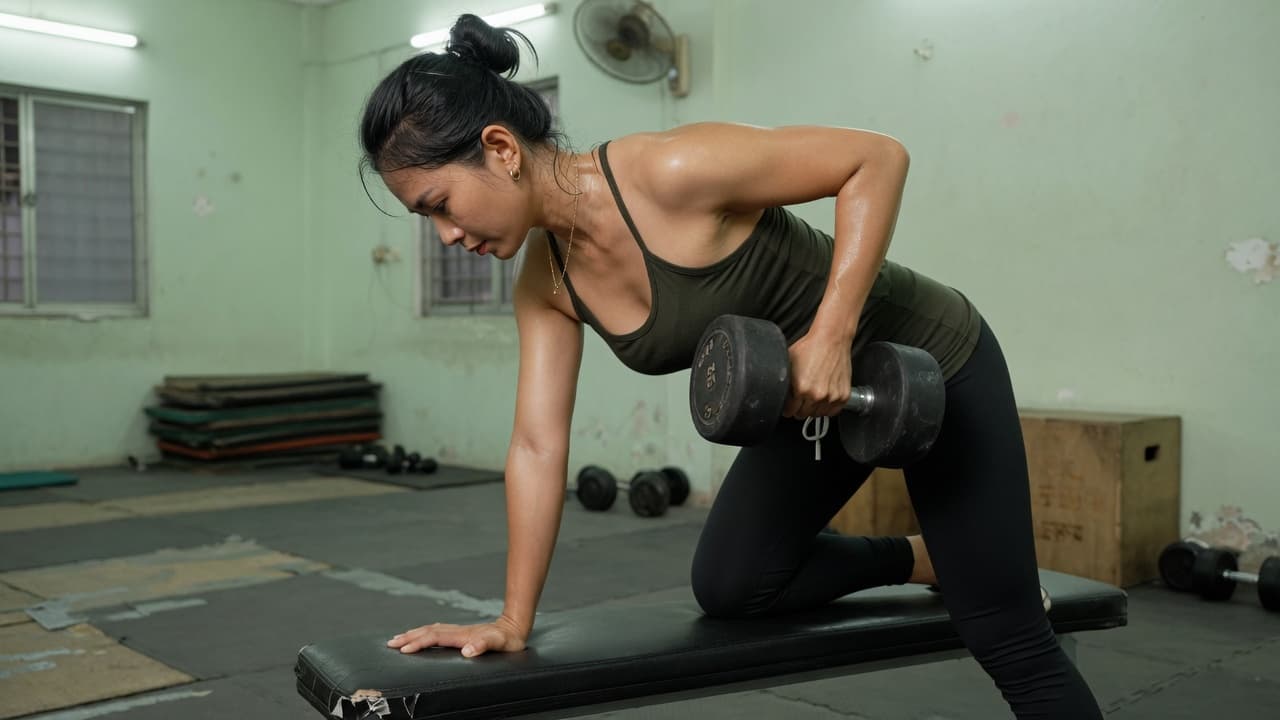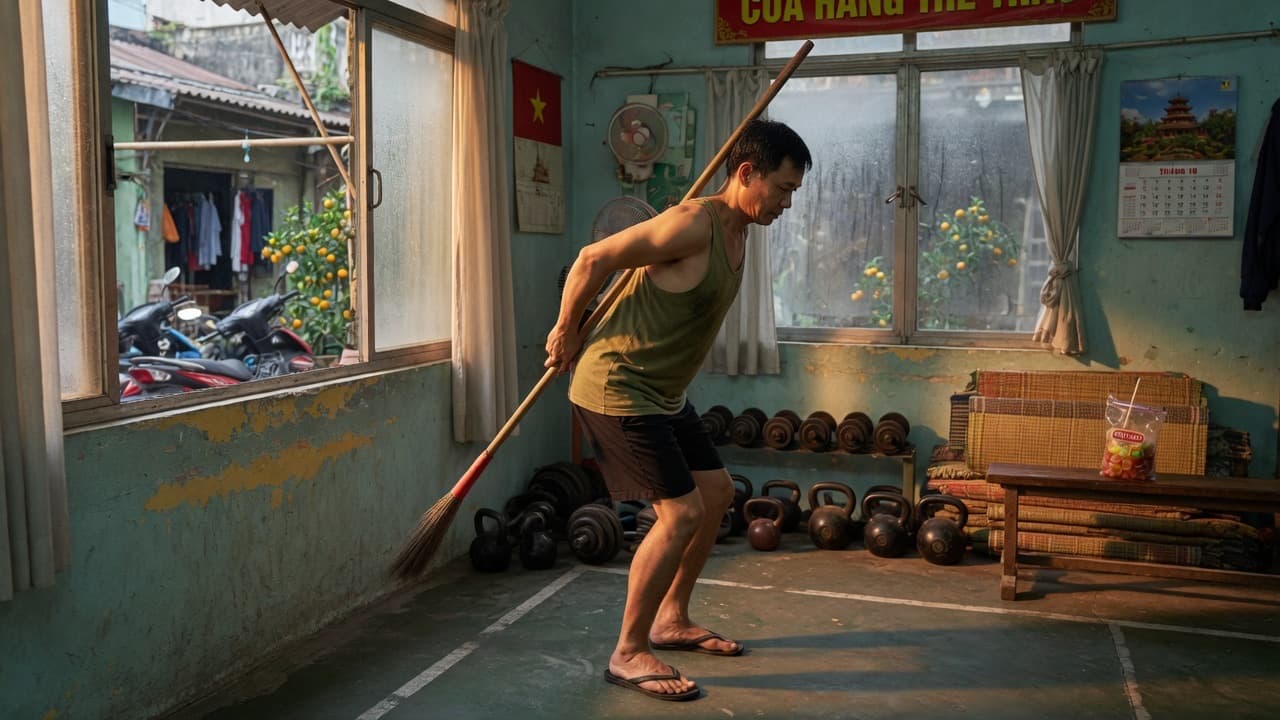
Heavy deadlifts without a clean hip hinge often turn into rounded-back pulls or “squat-pulls.” A five-minute stick drill teaches the hinge feel: hips go back, shins stay relatively vertical, the bar (or imagined bar) stays close to the shins, spine long. This article is for people about to add deadlift/RDL load or whose low back aches after every floor pull.
Acute pain, pain down the leg, numbness/weakness — stop self-loading and get assessed.
How a hip hinge differs from a squat
- Hinge: lots of hip flexion, knees only soft; torso tips forward on purpose; stretch feel through the posterior chain (glutes–hamstrings).
- Squat: hips and knees flex together more; torso can stay more upright depending on the variation.
A classic deadlift is a hinge pulling load from the floor (or blocks), not a squat-pull. Mixing the patterns is why the back does all the work. Practice squats separately in squat form that spares the knees so the brain separates the two patterns.
5-minute stick drill
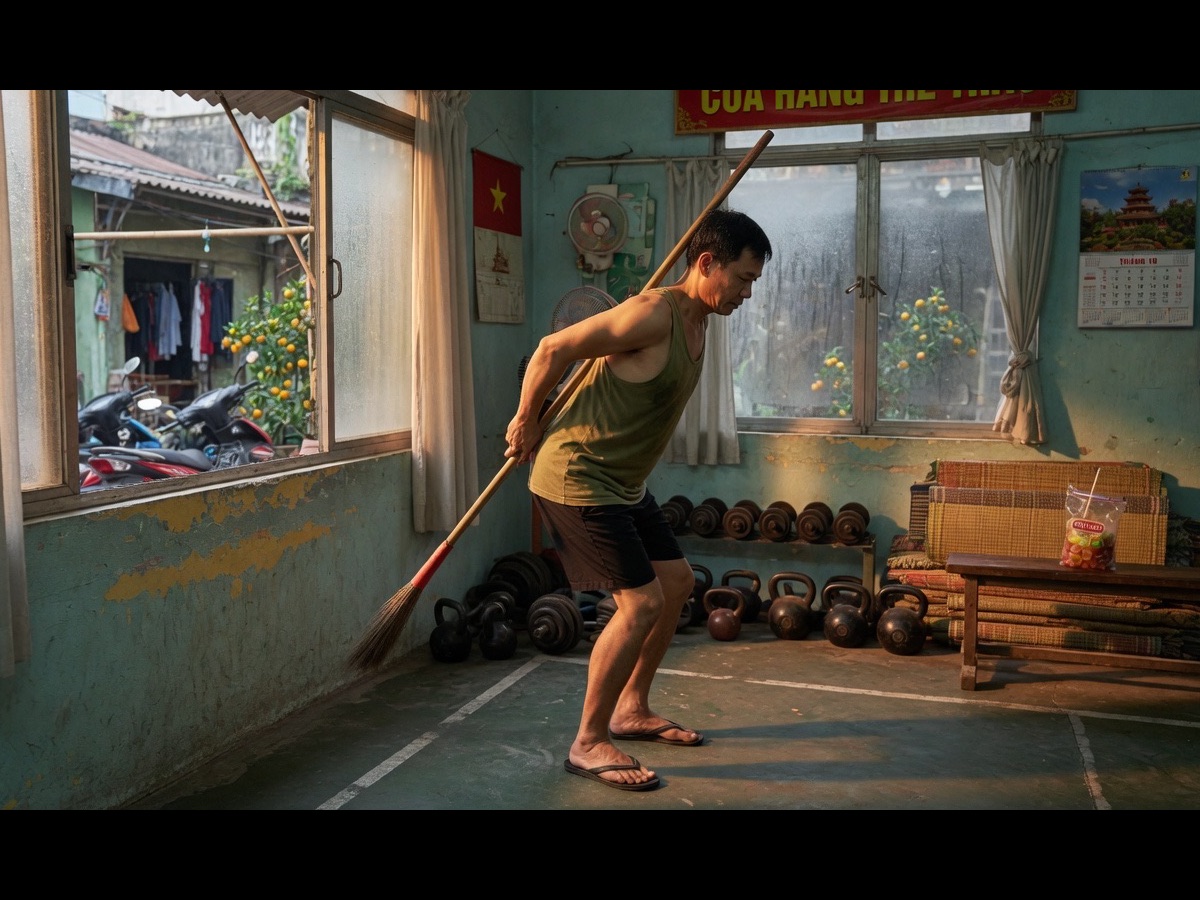
Use a wooden dowel, sturdy broom, or PVC pipe. Place it along the back; one hand holds at the low back, one at the upper back/neck.
- Stand feet hip-width, press heels and midfoot.
- Inhale–brace lightly as if about to take a poke in the stomach.
- Push the hips back, torso lowers — keep the stick touching three points: head, chest/mid-back, glutes.
- When you feel hamstring stretch or lose the three points, drive the floor, extend the hips to stand, light glute squeeze at the top (no extra arch).
- Repeat 2–3 sets × 8–10 slow reps before RDL/deadlift sessions, or 5 minutes most mornings the first learning week.
If the head or low back leaves the stick early, you are rounding or squatting too much — shorten the range and slow down.
Progress to light RDLs, then deadlifts
After the stick, hold light dumbbells or an empty bar:
- RDL: from standing, hinge the load down the thighs–shins, return by extending the hips.
- Deadlift from blocks/high rack: reduce floor depth if ankles–hips are not ready.
- Floor deadlift: only when you can set a stiff torso at the grip, shoulders over the bar, long spine.
| Stage | Work | Suggested duration |
|---|---|---|
| Weeks 1–2 | Stick + unloaded hinge | 5 minutes, most training days |
| Weeks 2–4 | Light RDL 3×8–10 | 2 sessions/week |
| After that | Deadlift/blocks, add 2.5–5 kg when form is clean | 1–2 sessions/week |
Brace and a short floor setup
Feet close to the bar, bar over midfoot. Hinge down to grip, chest up, armpits tight, take the slack out of the bar before it leaves the floor. Drive the floor with the legs while the hips extend — do not yank the low back first.
Warmups include empty hinges and glute bridges: 8-minute warmup. Anti-extension core work supports the lock feel: dead bug and bird dog.
Place in the plan
RDL/deadlift sit on the leg or lower day of PPL, advanced upper–lower, or a simple frame like self-written 5×5. Single-leg accessories like Bulgarian do not replace the hinge but help balance the legs.
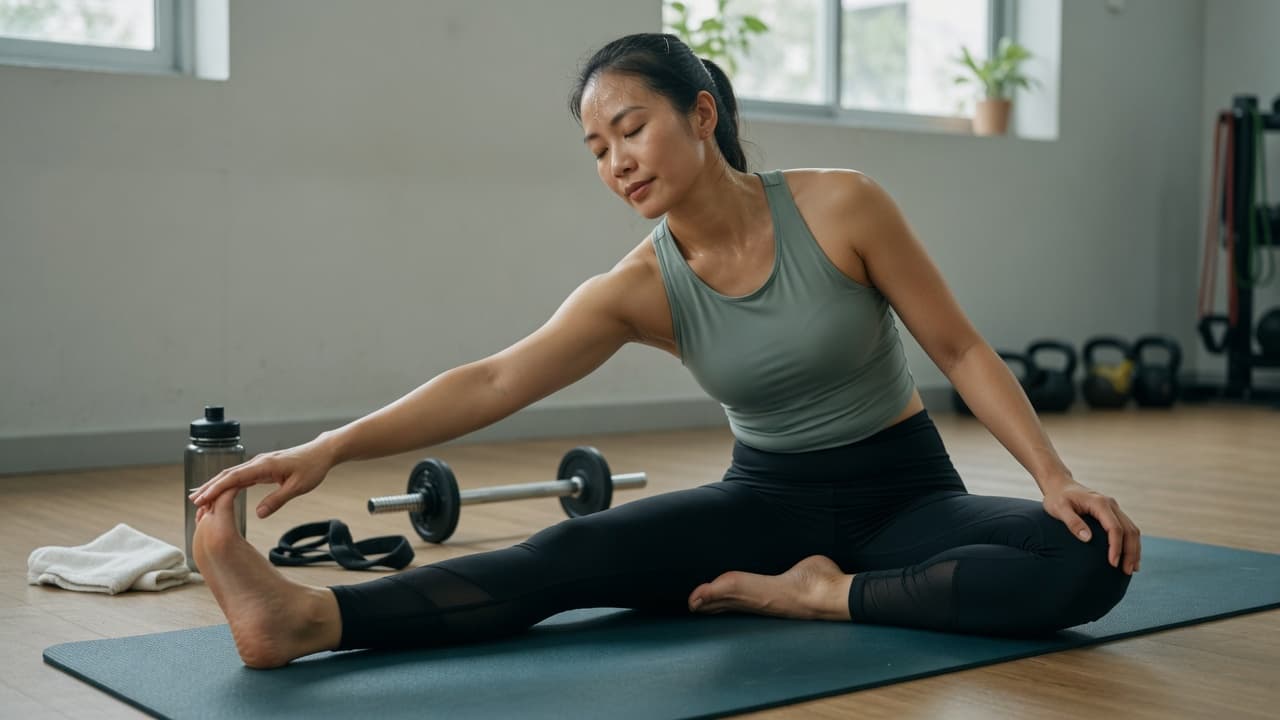
Posterior-chain recovery needs sleep and easy days: sleep and recovery, controlled hamstring–hip stretching after sessions — do not force into pain.
- Sharp low-back pain off the floor: cut load, raise the start height, return to the stick.
- Bar drifts from the shins: pull the body in, think “shave the shins.”
- Hips shoot up early, back pulls: slow the first inches, lower the weight.
FAQ
Will endless stick drills raise my deadlift?
The stick teaches feel; it does not replace load progress. Once three contact points are stable, move to loaded RDL/deadlift and add weight gradually — keep a short drill on days form gets sloppy again.
Are the knees allowed to bend?
Yes, soft. Locked-hard knees dump load onto the back and wreck balance. Too much bend turns it into a squat — find the middle: shins nearly vertical, hips clearly back.
Sumo or conventional when learning the hinge?
Both need hinge/brace. Conventional often makes the posterior-chain feel clearer; a wider stance can suit some hips. Pick the style that keeps a long spine at a height you can set; do not change styles every week.
General technique only — not diagnosis or treatment of back pain. See a professional for radiating pain, numbness, leg weakness, or a history of spinal injury before heavy deadlifting.