
Ab work right after eating does not specially burn belly fat. The body does not pick where fat comes from based on the move you just did; fat loss depends on a lasting energy deficit, while crunches or planks mainly stimulate trunk muscles. This article clears up the “post-meal belly-fat burn” myth, suggests when to avoid crunching right after food, and places core work correctly in the week.
If you train for a resilient back and a solid torso when lifting–carrying, prioritize anti-extension–anti-lateral–anti-rotation patterns over hundreds of crunches.
No: ab moves do not “spot reduce”
Research and gym reality point the same way: a visibly smaller waist comes from enough whole-body fat loss, not from nightly ab circuits after dinner. You can thicken the rectus abdominis (hypertrophy) — that is different from burning the fat layer on top.
- Calories burned from ab work: low versus brisk walking or a full lifting session.
- “Burn” feel: local muscle fatigue, not proof fat at that spot is preferentially burning.
- After eating: blood is busy with digestion; lots of crunching can cause fullness, reflux, discomfort — it does not increase “belly fat burn.”
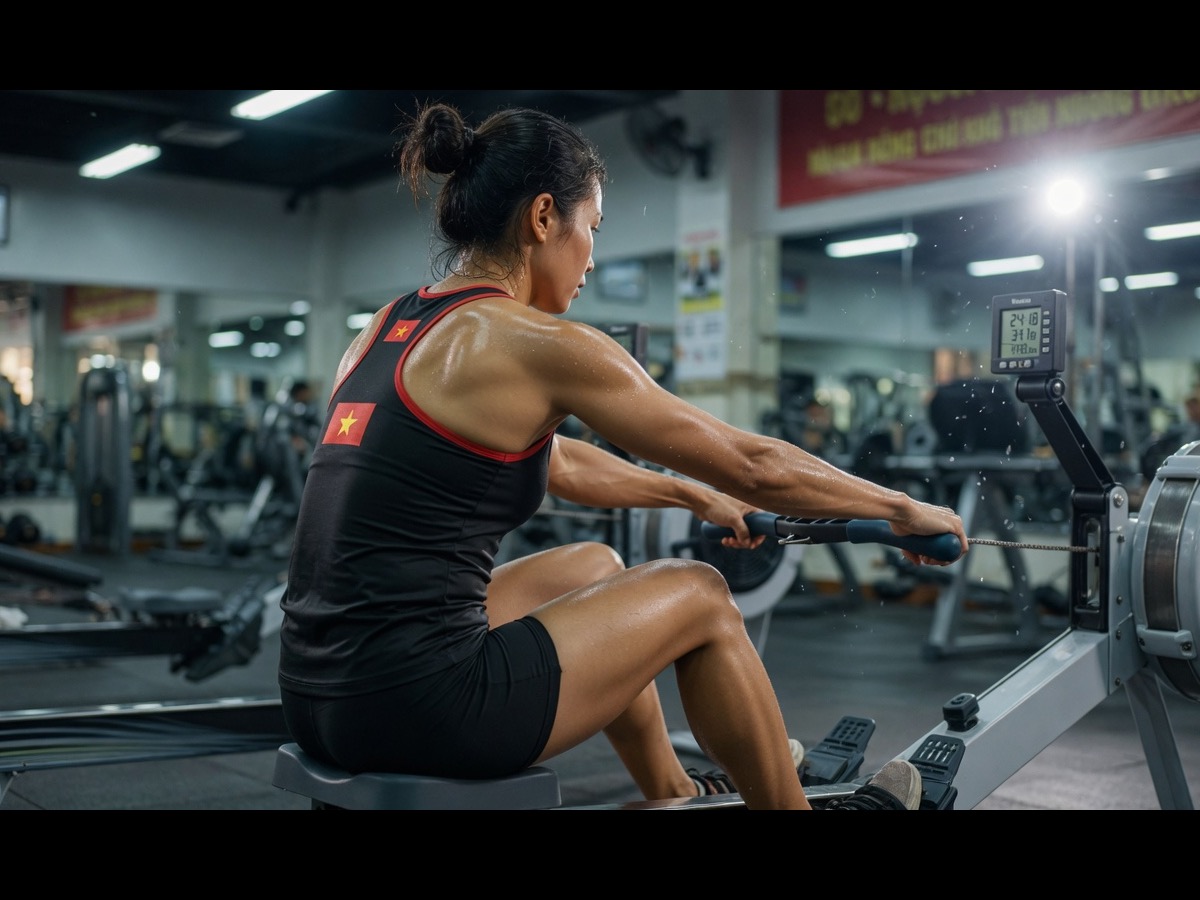
Want a leaner waist: enough protein inside a sensible calorie range, steady sleep, regular walking, strength training — no need to force abs after every meal.
What feels better after eating
If your only window is 30–60 minutes after a meal, prefer:
- Easy walking 10–20 minutes.
- Joint warmup and lifting through comfortable ranges — 8-minute warmup.
- Avoid deep crunching, hard twists, or ab work until nausea.
Wait 1.5–3 hours after a large meal if you want a heavy session or high core volume. A small protein-forward snack usually sits better before training than a very full rice plate.
Place core correctly in the week
Put 8–12 minutes of core at the end of full-body/upper–lower sessions, or after the warmup if the back feels “loose” before squats. A base set: dead bug, side plank, bird dog, suitcase/farmer — details in core is not 500 crunches and farmer carry.
| Goal | Do this | Drop this expectation |
|---|---|---|
| Visible belly-fat loss | Sustainable deficit, walking, sleep | Crunches after dinner = spot fat burn |
| Sturdy back when lifting | Brace, dead bug, carries | Only 300 crunches |
| Better midsection once lean | Core with load/tempo progress | Only spot cardio for the abs |
Attach core to an existing plan instead of “abs-only” days: beginner 4-day, advanced upper–lower, PPL, or 5×5 with 2 core sets at the end.
Cardio, weights, and fat
Cardio supports a deficit when joints and time allow; it does not “destroy muscle” when you eat enough and lift — does cardio break down muscle. Rest-pause on ab moves also does not become a magic fat furnace — when to use rest-pause.
Track waist, same-pose photos, strength — not only scale weight: progress tracking. Poor sleep makes hunger harder to manage: sleep and recovery.
- Do not replace leg/pull days with 30 minutes of crunches.
- Do not train abs into hip–neck joint pain because you “fear fat will not burn.”
- Back pain when crunching: switch to dead bug/side plank and get hands-on coaching.
FAQ
Does fasted morning ab work burn belly fat more?
Not in the spot-reduction sense. Training hungry can raise fatigue or cut quality on heavy sessions for some people. Pick a time you keep form and can stick with.
Is a 5-minute plank every night after dinner enough?
Very long holds often lose muscle tension. Quality 20–40 seconds or a multi-direction set a few times/week beats a “bone-hanging” plank after rice.
Should I drink fat-loss tea then do abs?
Do not rely on tea or unverified supplements to replace a deficit and strength training. Prioritize realistic eating and enough sleep.
General health–training education only — not a diagnosis of digestive or metabolic disease. See a doctor for lasting abdominal pain, severe reflux with training, or if you are being treated for an underlying condition.